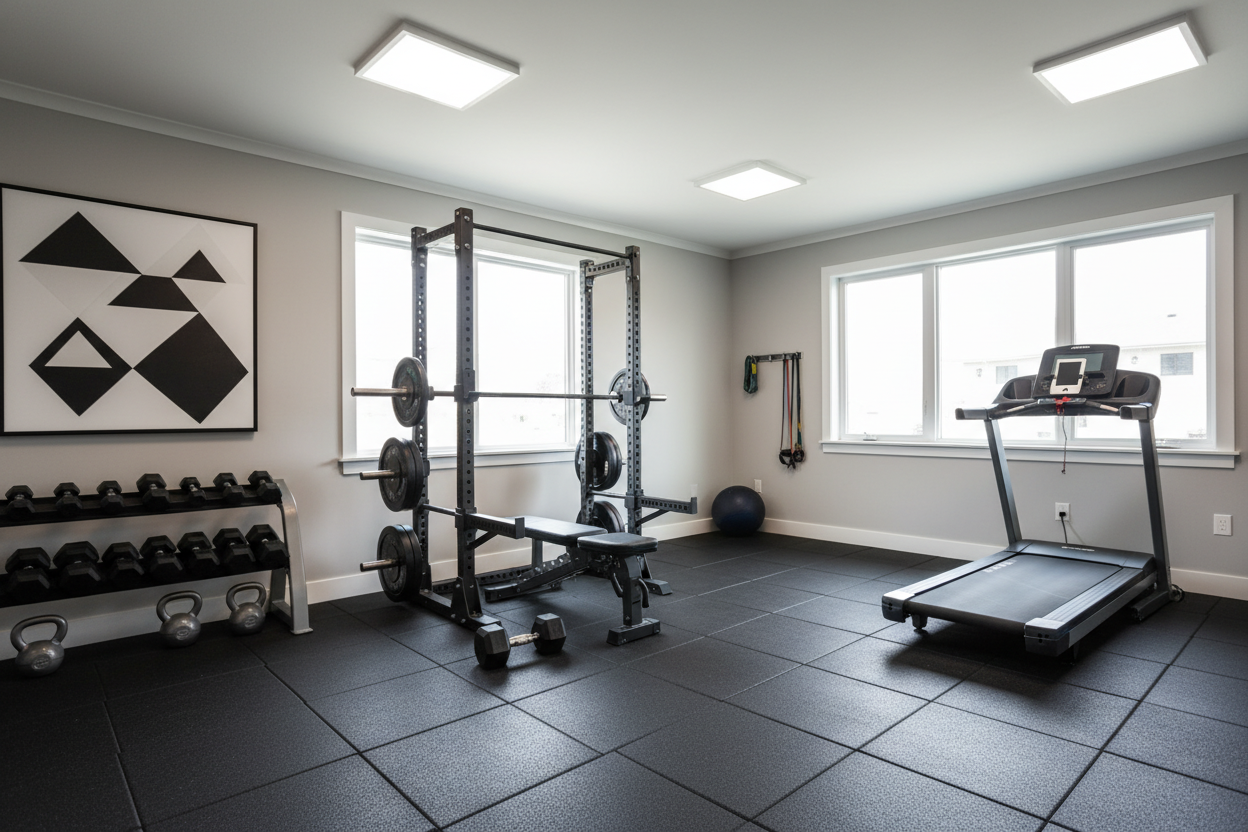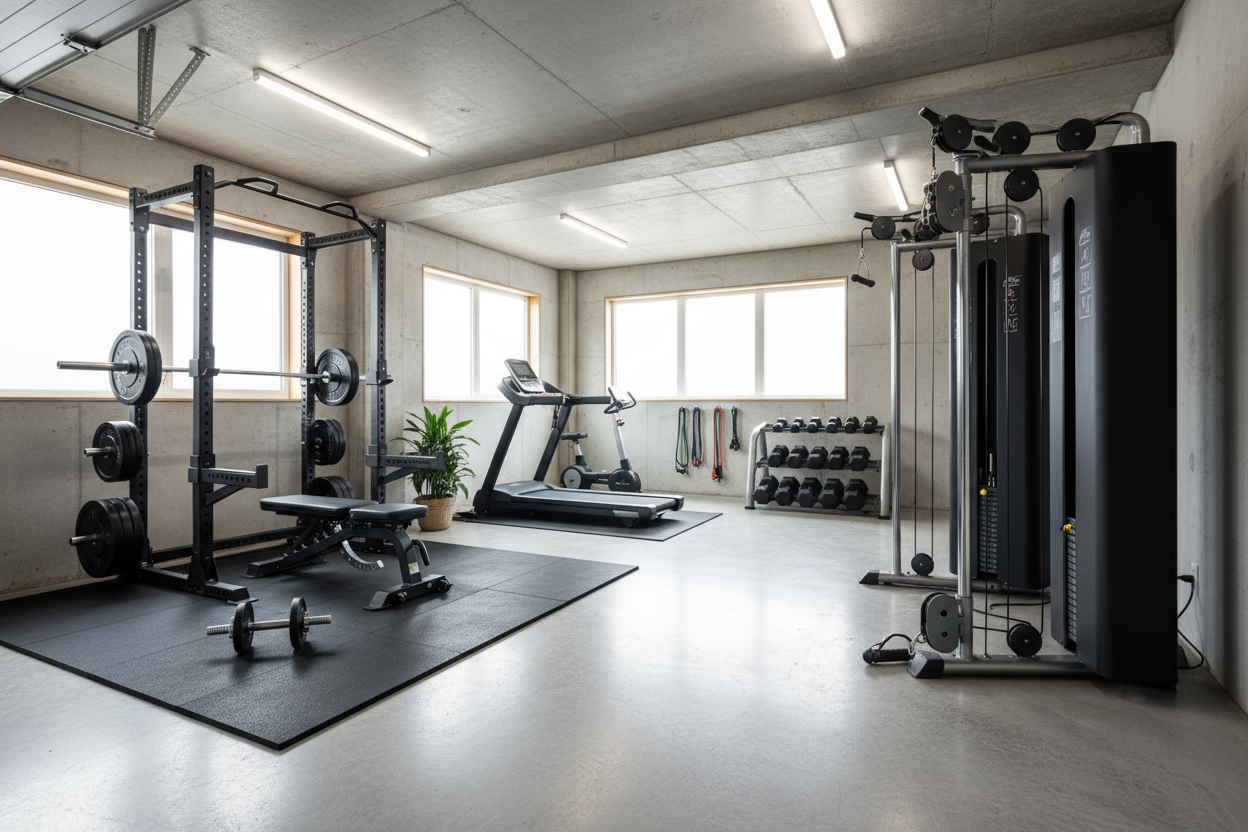
The best chest and back workout for mass Actually Saves Time
I remember the day I finally quit my commercial gym. It wasn't the crowds or the broken machines; it was the twenty-minute wait for a power rack just to do one set of rows after finishing my bench press. When I moved my training to my garage, I realized I didn't need two hours to build a thick frame. The best chest and back workout for mass isn't about adding more time to your clock; it's about increasing the density of your work.
- Antagonist supersets double your work capacity without doubling your time in the gym.
- Heavy compound movements must remain the foundation for true upper body thickness.
- Controlled eccentrics are more important for growth than the total weight on the bar.
- Recovery is non-negotiable when training two major muscle groups simultaneously.
Why Antagonist Supersets Are a Cheat Code for Size
Training opposing muscle groups—pushing and pulling—is a method popularized by the Golden Era greats for a reason. Biomechanically, it's efficient. When you perform a heavy press, your lats and rhomboids act as a stabilized base. When you switch to a row, those same muscles are now the prime movers while your pecs get a deep, active stretch. This reciprocal innervation allows one muscle group to recover while the other works, leading to an insane chest and back workout pump that you just can't get from standard straight sets.
This chest and back split routine isn't just about saving time, though that's a nice perk. By pairing movements, you increase the blood flow to the entire upper torso, which many lifters find helps with joint lubrication and overall power output. If you are looking to branch out into other high-frequency methods, you can find more detail in our complete workout hub resources.
The Core Mechanics of a killer chest and back workout
To turn this into a killer chest and back workout, you have to respect the rest intervals. This isn't a cardio session. If you finish your rows and immediately jump back to the bench without catching your breath, your strength will crater by the third set. I recommend 90 to 120 seconds of rest between supersets. This gives your central nervous system a moment to reset so you can keep the intensity high.
Avoid the trap of junk volume. A high volume chest and back workout should focus on quality over quantity. You don't need five different variations of a cable fly. You need heavy loads, perfect form, and enough sets to trigger a response. For most of us, 12 to 16 total sets per session is the sweet spot for a chest and back strength workout before the law of diminishing returns kicks in.
The Routine: A heavy chest and back barbell workout
This chest and back barbell workout focuses on the big rocks first. We start with the chest and back workout barbell classics to move the most weight while you are fresh. This is the foundation of a chest and wings workout that actually builds width and depth.
- Superset 1: Barbell Bench Press + Pendlay Rows (4 sets of 6-8 reps). Focus on an explosive pull for the rows and a controlled 2-second descent on the bench.
- Superset 2: Incline Dumbbell Press + Weighted Pull-ups (3 sets of 8-10 reps). If you don't have a rack, you can swap this for a chest and back workout with dumbbells.
- Superset 3: Dips + Seated Cable Rows (3 sets of 12 reps). This targets the lower pecs and the mid-back for that chest and upper back workout finish.
- Finisher: Face Pulls + Pushups (2 sets to failure). This rounds it out into a shoulder back and chest workout to ensure your posture stays upright after all that heavy pressing.
Don't Have Heavy Weights? Try this chest and back circuit
If you're training in a hotel or a minimalist home gym, you can still trigger growth using a chest and back circuit. The goal here shifts from absolute load to metabolic stress. An intense chest and back hiit workout approach uses shorter rest periods (30 seconds) and higher reps to reach mechanical failure.
Focus on a chest back and shoulder workout at home using tempo. For example, a 4-second negative on a pushup followed by an explosive inverted row using a sturdy table or a suspension trainer. Even without a 300-lb barbell, you can crush a back and chest exercises gym session by using 1.5 reps or pause reps. If you are lacking a traditional setup, check out this at home back and chest workout guide for floor-based alternatives.
How to Program This Split Into Your Week
Because this is a chest back and core workout that hits two of the largest muscle groups, you shouldn't run it every day. I've found that hitting this split twice a week with at least 48 to 72 hours of rest in between is the limit for most natural lifters. It works perfectly in a 4-day Upper/Lower split. This provides the chest and back workout for athletes feel—high power, high recovery.
After a session this heavy, your fascia will be tight. Don't just walk out of the gym. Spend five minutes on a 6x8ft exercise mat gym flooring doing some basic thoracic extensions and doorway pec stretches. It helps with the soreness and keeps you mobile enough to actually reach for your protein shaker.
Personal Experience: Early in my lifting career, I thought more was always better. I tried to do 10 sets of heavy bench and 10 sets of heavy rows in one go. By set 6, my form was garbage and my elbows were screaming. I learned the hard way that 3-4 high-quality supersets beat 10 sets of 'just getting through it' every time. Now, I focus on the 'squeeze' at the top of the row—it changed my back development more than any specific supplement ever did.
FAQ
Can I do chest and back on the same day?
Absolutely. It is one of the most effective ways to train for hypertrophy. It allows for higher frequency for each muscle group throughout the week compared to a traditional 'bro split'.
What is the best exercise for chest and back?
If you only had two, it would be the Barbell Bench Press and the Weighted Pull-up. They cover the most muscle mass and allow for the greatest progressive overload.
Is this workout good for beginners?
It can be, but beginners should focus on the movements individually first. Once you have the form down for a chest and back workout with barbell, then you can start pairing them into supersets to increase intensity.