The Best Activities for Flexibility Don't Actually Look Like Stretching
I remember trying to touch my toes after a heavy squat session and realizing I was about six inches short. It’s frustrating when you’re strong enough to move a house but can’t tie your shoes without grunting. Most of us treat activities for flexibility like a tax we have to pay, usually by sitting on a cold concrete floor for five minutes at the end of a workout. It’s boring, and frankly, it rarely works for the long haul.
I’ve spent thousands on power racks and calibrated plates, but if I can’t move through a full range of motion, all that iron is just a heavy paperweight. If you’re like me, you don’t want to spend an hour on a yoga mat. You want to move better so you can lift more and hurt less.
- Static stretching is often a waste of time for stiff lifters.
- Active range of motion is the only flexibility that translates to the platform.
- Martial arts and animal flows build mobility while you actually work.
- You need dedicated floor space, not just a rack footprint, to get supple.
Why 'Stretching' Is the Worst Way to Actually Get Flexible
Let’s be real: sitting on the floor pulling on your hamstrings is miserable. It’s also largely ineffective for the average garage gym athlete. When you perform passive stretching, you’re basically trying to trick your nervous system into letting go. But the second you stand up and walk away, your brain snaps those muscles back to their 'safe' short length because it doesn’t trust you in those new positions.
The goal shouldn’t be to be more 'bendy' like a wet noodle. You want to engage in physical activity for flexibility that forces your nervous system to adapt through actual movement. Your brain needs to see that you can control your body at the edges of your range. If you don't use the range under load, you won't keep it. This is why most meatheads hate stretching—it feels useless because, for our goals, it usually is.
Usable Range vs. Just Being Bendy
There is a massive difference between being flexible and having mobility. Flexibility is how far a muscle can be pulled; mobility is how much of that range you can actually control. I used to think my overhead press was limited by my lats, so I spent months just hanging from a bar. It did nothing.
I eventually realized that switching to active flexibility exercises for shoulders that required muscular tension at the top of the movement was what I actually needed. You need flexibility muscular exercises that build strength at your end-ranges. If you can’t squeeze the muscle at its longest point, your body will keep that joint locked down for protection. It’s a survival mechanism, not a tight muscle problem.
3 High-Movement Activities That Un-Stiffen Your Joints
If you're wondering what activities develop flexibility without making you want to quit the gym, look at things that require multi-planar movement. First, animal flows or bear crawling. These aren't just for 'functional fitness' influencers. Crawling forces your hips and shoulders to work together while supporting your own body weight. It’s a brutal way to find out exactly where your sticking points are.
Second, look into kickboxing or basic martial arts drills. Even if you never plan on stepping into a ring, the act of throwing a controlled high kick or a deep lunging strike is one of the best activities that improve flexibility because it’s dynamic. You’re moving through huge arcs of motion with speed and intention.
Third, try loaded carries through different planes. Don't just walk straight with a trap bar. Try overhead lunges or Zercher carries. When people ask what activities improve flexibility for lifters, they usually expect a list of yoga poses. In reality, moving a weight through a non-traditional path is often more effective for 'un-gluing' your hips than any seated stretch.
How to Sneak These Movements Into Your Garage Gym Routine
You don't need a separate 'mobility day.' That's a myth that leads to skipped sessions. I started throwing in 60 seconds of bear crawls or prying goblet squats between my heavy sets of bench or overhead press. It keeps the heart rate up and ensures my joints don't seize up between efforts.
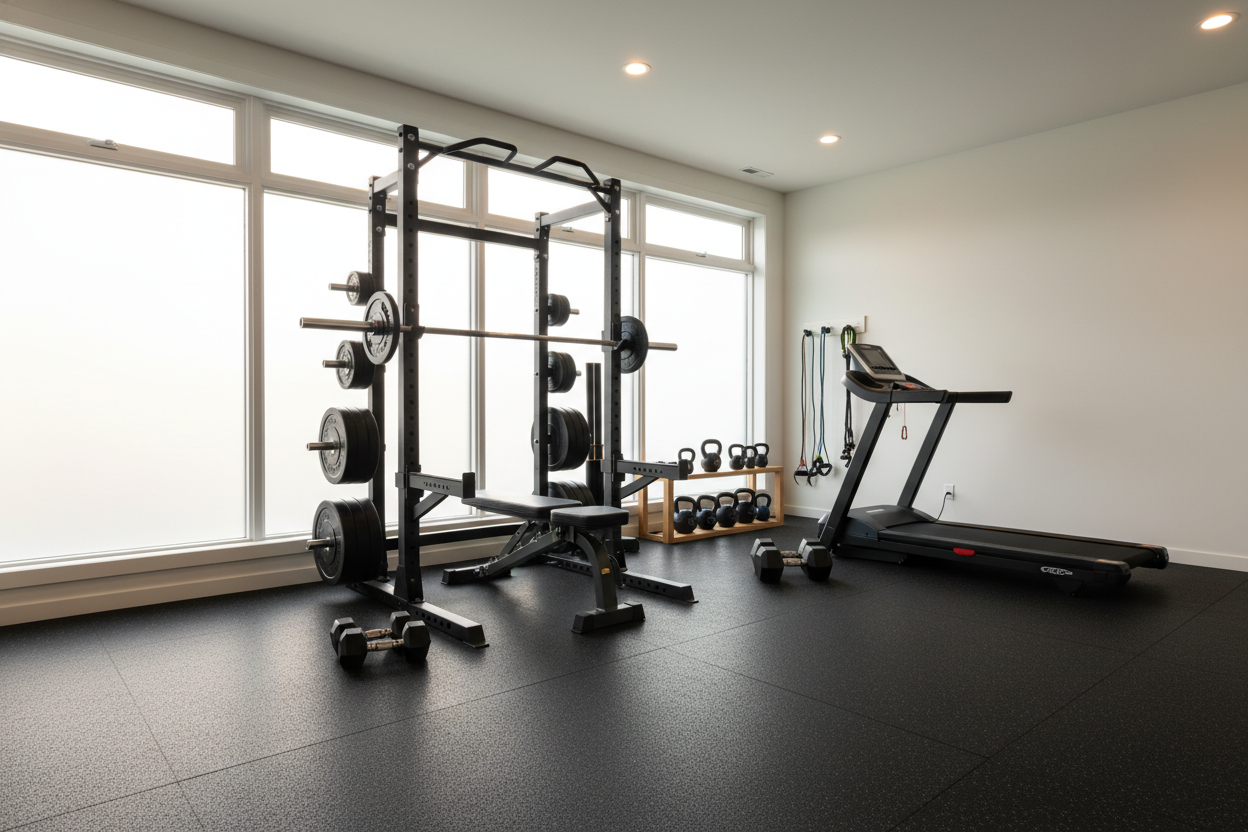
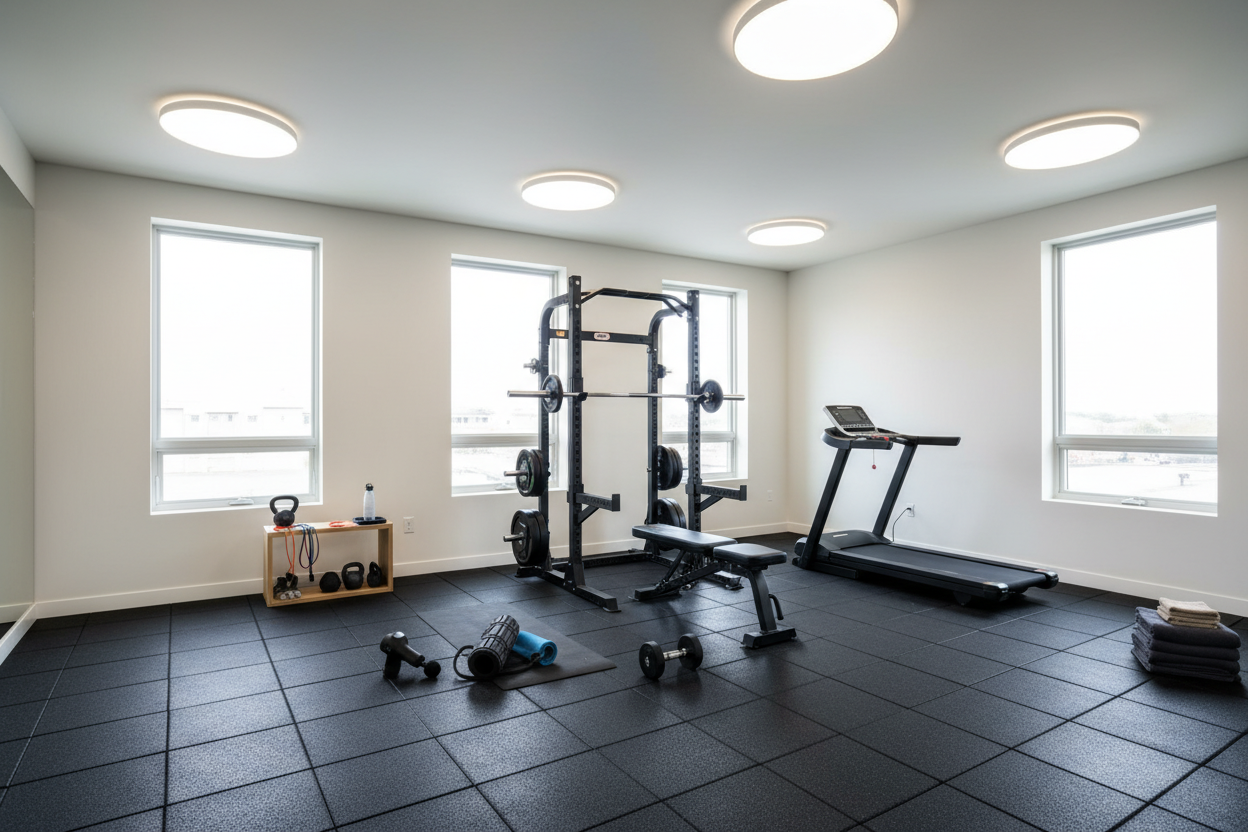
The biggest hurdle in a home gym is usually the floor. If you're cramped between a rack and a lawnmower, you won't do the work. I cleared out a dedicated space and laid down a 6x8ft exercise mat so I could actually move. Having a grippy, cushioned surface that isn't just cold horse stall mats makes you much more likely to drop down and hit some lunges or flows between sets. Concrete is the enemy of movement.
Stop Overthinking It: The Best Routine Is the One You'll Do
At the end of the day, the best activities for flexibility are the ones that don't feel like a chore. If you hate yoga, don't do it. If you like swinging a mace or doing heavy lunges, do that. The goal is to stop being a statue and start moving like a human again. Consistency beats intensity every single time when it comes to your nervous system.
If you still find yourself struggling with specific, localized tightness after trying these dynamic moves, you might need a few targeted stretches for flexibility to address stubborn areas like the hip flexors. But for the 90%, just moving more often and with more variety will fix the problem. Stop pulling on your toes and start moving your body.
FAQ
Is stretching before lifting dangerous?
Static stretching (holding a position) can temporarily reduce power output. It’s better to do the dynamic activities mentioned above as part of your warm-up and save the long holds for after the heavy work.
How long does it take to see results?
Your nervous system can adapt quickly. You’ll feel 'looser' in a single session, but permanent changes to your resting muscle length and control usually take 4-6 weeks of consistent movement.
Do I need special equipment for flexibility?
Not really, but a decent mat and some floor space are non-negotiable. If you’re slipping on a dusty floor, your brain will keep your muscles tight to prevent a fall.