The Anatomy of a Perfect Lower Body Session: Stop Missing These Key Areas
Most people walk into the gym on leg day with a simple plan: squat, maybe do some leg presses, and finish with a few half-hearted calf raises. While compound movements are fantastic, relying solely on them often leaves significant gaps in your development. Building a lower body that is both aesthetically balanced and functionally strong requires a more granular approach. You need to understand exactly what you are targeting and why.
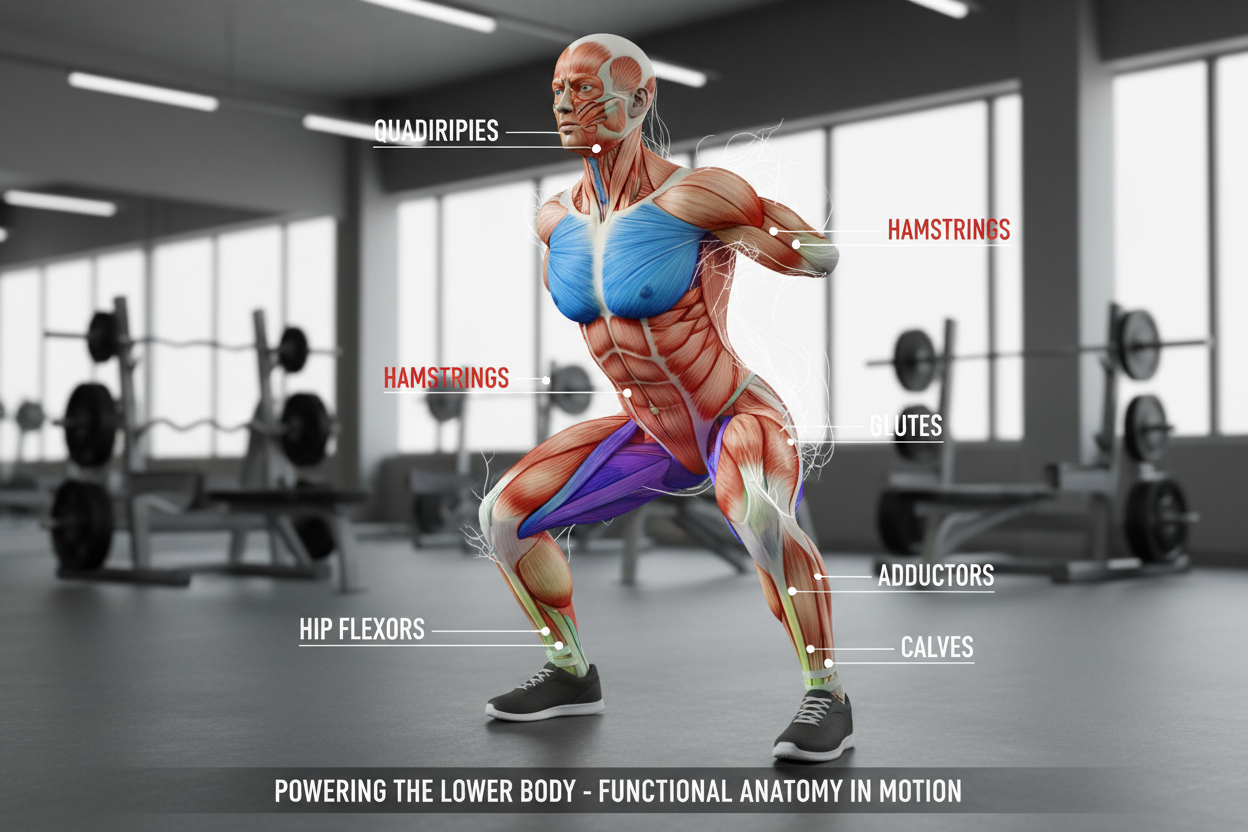
To get the most out of your training, you have to break down the anatomy. Knowing which muscles do what allows you to select exercises that actually stimulate growth rather than just making you tired. If you are wondering what the specific leg muscle groups to workout are, the answer involves four primary areas: the quadriceps, hamstrings, glutes, and the lower leg muscles (calves). Neglecting any single one of these creates imbalances that can lead to injury or stalled progress.
The Anterior Chain: Dominating the Quads
The quadriceps are usually the primary focus for most lifters because they are the most visible. Situated on the front of the thigh, this group consists of four distinct muscles: the vastus lateralis, vastus medialis, vastus intermedius, and the rectus femoris. Their main job is knee extension—straightening your leg.
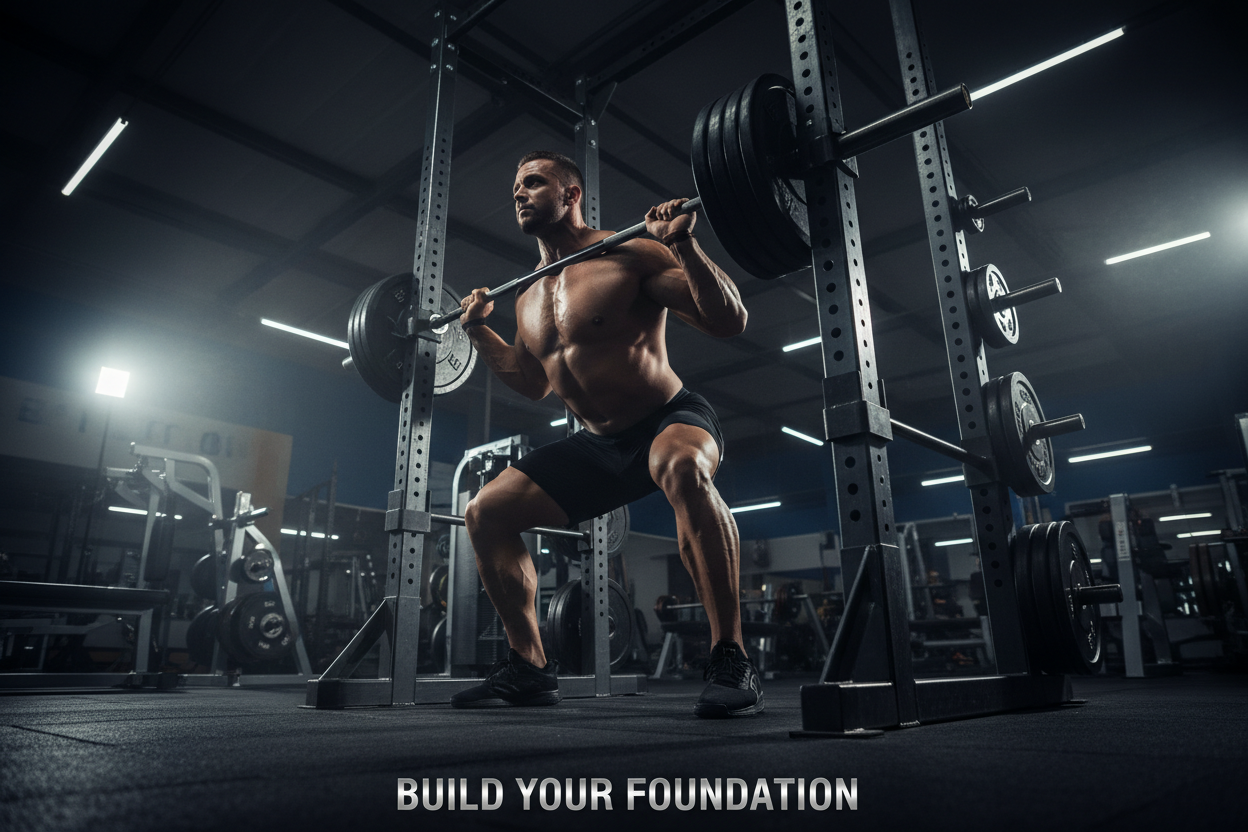
To effectively train this area, you need movements that demand significant knee flexion. Squats are the obvious choice, but foot placement and depth matter immensely. A high-bar squat or a front squat forces the knees to travel forward, placing more tension on the quads compared to a low-bar back squat, which recruits more of the posterior chain. For pure isolation, the leg extension machine is the only way to fully shorten the rectus femoris, as it acts on both the hip and the knee.
Many lifters make the mistake of only doing heavy compounds. While heavy loads build density, the quads respond exceptionally well to higher volume and time under tension. Adding exercises like Bulgarian split squats or hack squats ensures you are hitting all four heads of the muscle group thoroughly.
The Posterior Chain: Hamstrings and Glutes
This is where most routines fail. The parts of the leg to workout that reside on the back of your body are often undertrained because you can't see them in the mirror. The hamstrings differ from the quads because they cross two joints (the hip and the knee), meaning they have two main functions: bending the knee and extending the hip.
If you only do seated leg curls, you are missing half the equation. You need a hip-hinge movement. Romanian Deadlifts (RDLs) or Stiff-Legged Deadlifts are non-negotiable for complete hamstring development. These lengthen the muscle under load, which is a powerful stimulus for hypertrophy. Conversely, lying or seated leg curls focus on the knee flexion aspect. A complete routine must include both a hinge movement and a curl movement.
Then there are the glutes. Often lumped in with general leg day muscle groups, the glutes (maximus, medius, and minimus) are the powerhouse of the lower body. While squats and lunges hit the glutes, they often aren't enough for maximum development. The gluteus maximus is best targeted through hip extension with the knees bent, which takes the hamstrings out of the equation. This is why the hip thrust is superior for glute isolation. Meanwhile, the glute medius handles abduction (moving the leg away from the body), so movements like cable abductions or banded lateral walks help stabilize the pelvis and prevent knee cave.
My Experience with Imbalanced Training
I learned the hard way that you cannot just squat your way to healthy legs. Early in my lifting journey, I was obsessed with increasing my squat max. I had strong quads, but my hamstrings were severely underdeveloped. Eventually, this imbalance manifested as nagging patellar tendonitis. My knees ached constantly because the pull from my quads wasn't counterbalanced by strong hamstrings.
I had to completely restructure my training. I started prioritizing the posterior chain, actually starting my workouts with hamstring curls to pre-exhaust the back of my legs and ensure they got high-quality work. Incorporating diverse leg workout muscle groups rather than just pushing heavy weights on the anterior chain fixed my knee pain within a few months. It was a humbling lesson: strength isn't just about moving weight; it's about structural balance.
The Forgotten Lower Leg: Calves and Tibialis
Calves are the punchline of many gym jokes, but they are crucial for stability and athletic power. When looking at the muscle groups in legs workout plans usually skip, the soleus and gastrocnemius are at the top of the list. The gastrocnemius is the diamond-shaped muscle visible near the knee, and it works best when the leg is straight. Standing calf raises target this area.
The soleus lies underneath and is vital for endurance and stability. It is best targeted when the knee is bent, making seated calf raises essential. You cannot build full lower legs with just one variation. Furthermore, the tibialis anterior (the muscle on the front of your shin) is almost never trained, yet it acts as the shock absorber for your knees and ankles. doing simple toe raises can bulletproof your ankles and prevent shin splints.
Adductors and Abductors: The Stabilizers
If you want legs that look thick from the front and function well under heavy loads, you cannot ignore the inner and outer thigh. The adductors (inner thigh) are massive contributors to hip extension out of the bottom of a squat. If your knees cave in coming up from a heavy lift, weak adductors or glutes are often the culprit.
Most commercial gyms have the "yes/no" machines (adduction/abduction machines). While they get a bad rap, they are highly effective for targeting these specific leg muscle groups workout routines often miss. Strong adductors provide a wider base of support and contribute significantly to overall thigh circumference.
Structuring the Perfect Session
So, how do you put this all together without spending three hours in the gym? The key is efficiency and sequencing. You don't need to do twelve exercises. You need to pick movements that offer the best bang for your buck across all these tissues.
A balanced session might look like this: Start with a compound movement for the quads (Squat pattern). Follow it with a compound hinge for the posterior chain (RDL pattern). Then, move to unilateral work like lunges or split squats to fix left-to-right imbalances. Finish with isolation work: leg curls for hamstrings, extensions for quads, and calf raises. This structure ensures you hit every major function—knee extension, hip extension, knee flexion, and stabilization—in a logical order that manages fatigue.
Training legs is demanding. It requires a mental fortitude that bench pressing simply doesn't. But by understanding the anatomy and ensuring you are hitting every muscle group with intention, you turn that hard work into tangible, pain-free progress.
Frequently Asked Questions
Should I train quads and hamstrings on the same day?
Yes, training them together ensures balanced development around the knee joint. However, if you have a specific weakness in one area, some advanced lifters split them into two separate days to dedicate more energy to the lagging muscle group.
How many exercises should I do for leg day?
For most lifters, 4 to 6 exercises are sufficient if the intensity is high. Aim for one main compound squat variation, one hinge movement, one unilateral exercise, and 1-2 isolation movements to finish.
Why do my knees hurt after leg day?
Knee pain often stems from muscle imbalances (like weak hamstrings or glutes), poor mobility, or improper form. Ensure you are warming up properly and not neglecting the posterior chain, as this helps stabilize the knee joint during heavy lifting.