The 48-Hour Repair Window: How Does Exercise Build Muscle?
I still remember the first time I loaded a barbell with more than I could actually handle. The adrenaline was high, the form was questionable at best, and the next day I felt like I had been hit by a freight train. Most people think that the lifting part is where the magic happens, but that is a total lie. You are not building anything in the gym; you are actually tearing yourself apart.
Understanding how does exercise build muscle is the difference between spinning your wheels for six months and actually seeing your shirts fit tighter in the shoulders. It is not about grinding 24/7. It is about understanding the biological demolition and reconstruction project you start every time you pick up a weight. If you do not respect the repair window, you are just digging a hole you will never climb out of.
- Muscle growth is a response to stress, not just movement.
- The real growth happens during the 48 hours after your session.
- Mechanical tension is the primary driver of hypertrophy.
- Soreness (DOMS) is not a direct indicator of muscle progress.
- Your body needs a caloric and protein surplus to actually patch the damage.
The Moment You Rack the Weight: What Just Happened?
When you finish a heavy set of squats or overhead presses, your muscles are screaming for a reason. You have essentially created thousands of microscopic tears in your muscle fibers. This is not damage in the sense of a medical injury, but it is intense mechanical stress that triggers an immediate inflammatory response. Your body sees these micro-tears as a problem that needs an immediate solution.
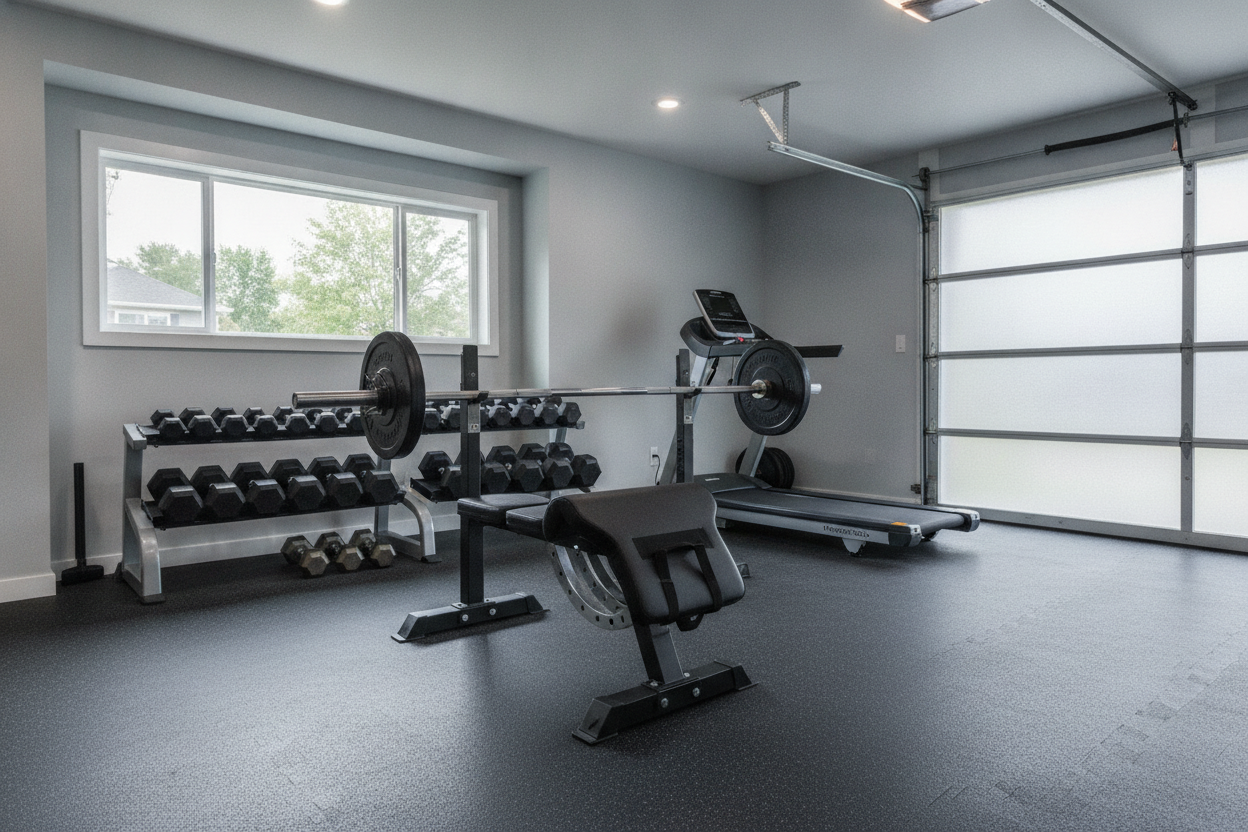
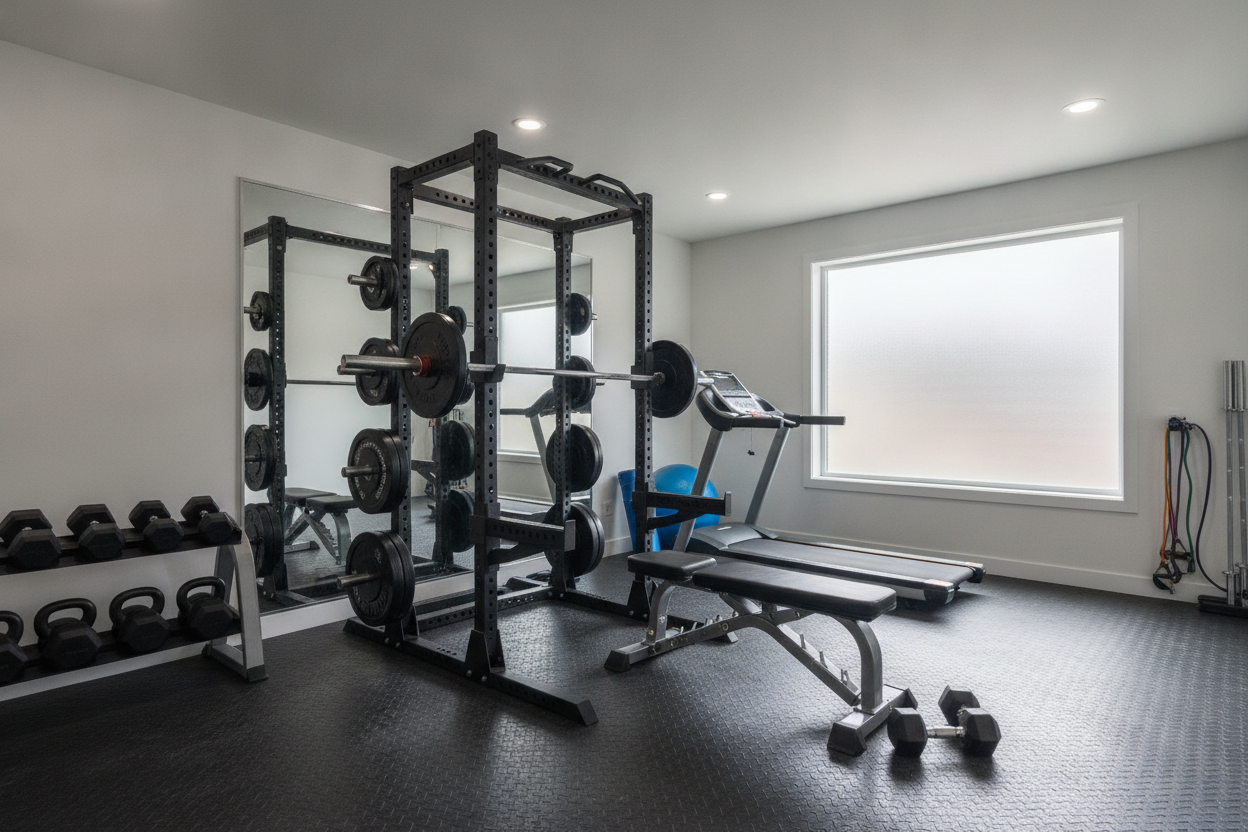
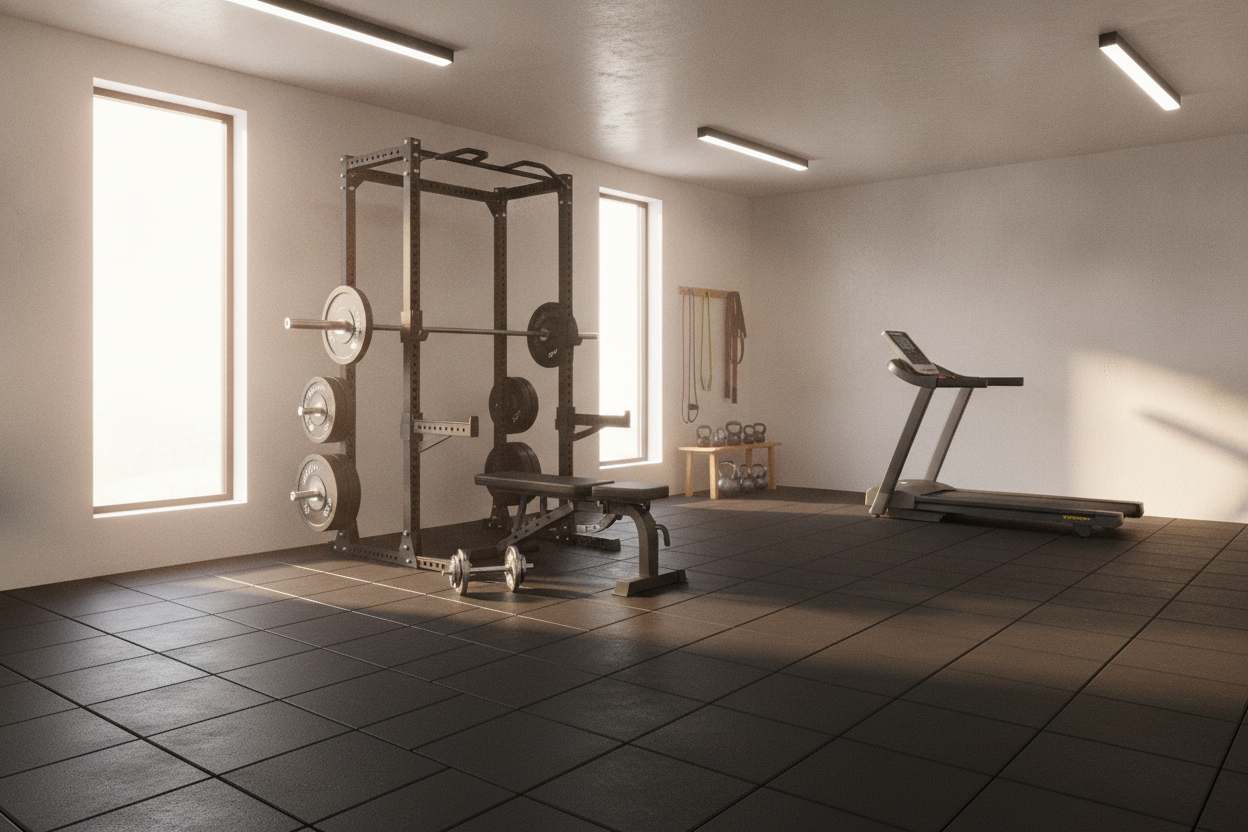
This is why having a dedicated exercise mat gym flooring for home workout is more than just a way to save your subfloor—it is where you collapse to let that initial wave of inflammation settle. If you are training on cold, hard concrete, you are missing out on that crucial immediate post-set recovery where blood flow is peaking and your body is signaling the immune system to send in the cleanup crew. That local inflammation is the signal for the body to start the repair process.
Without that mechanical tension—the kind that makes you grunt on the last two reps—the body has no reason to change. You have to convince your biology that its current strength level is inadequate for the environment you are forcing it to live in.
The Biological Timeline: How Do Muscles Grow After a Workout?
Once the weights are put away and you have had your post-workout meal, your body enters a state called Muscle Protein Synthesis (MPS). This is the actual answer to how do muscles grow after a workout. Specialized cells called satellite cells rush to the site of the micro-tears. They fuse to your muscle fibers, donating their nuclei to help the fiber get thicker and more resilient than it was before.
This process does not happen in twenty minutes while you are driving home. It usually peaks around 24 hours post-workout and can stay elevated for up to 48 hours depending on how hard you hit it. This is why I always tell people to check out the Workout Hub for routines that do not have you hitting the same muscle group every single day. If you hit chest on Monday and again on Tuesday morning, you are essentially firing the construction crew before they have even finished the foundation of the first wall. You need that 48-hour window to let the cross-sectional area of the tissue actually increase.
Protein, Rest, and How Does Muscle Grow After Workout
You can lift until your eyes bleed, but if you are not eating, you will not grow. To understand how does muscle grow after workout, you have to look at your kitchen and your bed. Those micro-tears need raw materials—specifically amino acids—to be patched. Without a surplus of protein, your body stays in a state of breakdown, and you will actually end up weaker over time.
I have seen guys follow a brutal Body Solid workout routine and wonder why they are not gaining any real size. Usually, it is because they are sleeping five hours a night and living on coffee. Growth hormone is primarily released during deep sleep. If you skip the rest, you are cancelling the order for the new muscle tissue. You need to be in a systemic state that favors building (anabolism) rather than staying in the state of stress (catabolism) you created in the garage.
The Difference Between Soreness and Actual Growth
We have all been there: you can barely walk down the stairs, so you assume you are going to have massive quads by next week. Hate to break it to you, but Delayed Onset Muscle Soreness (DOMS) is mostly just a sign of a new stimulus or excessive eccentric stress. It is not a requirement for growth. Some of my best strength gains happened during phases where I was barely sore at all because my recovery was dialed in. As long as you are adding weight to the bar or reps to the set over time, you are growing. Don't chase the pain; chase the performance metrics.
Why Your Body Doesn't Care What Equipment You Use
Your biceps do not have eyes. They do not know if you are holding a $1,000 specialized power bar or a rusty gallon of paint. They only respond to the tension placed upon them. If the tension is high enough to cause those micro-tears, the growth cycle begins regardless of the brand name on the equipment.
This is why a high-intensity bodyweight workout for legs can be just as effective for hypertrophy as a commercial leg press machine, provided you are pushing close to failure. The biology remains the same: stress the tissue, create the tear, provide the nutrients, and allow the repair. Your body is resistance agnostic; it only cares about survival and adaptation.
My Biggest Recovery Mistake
Early on, I thought more was always better. I was hitting heavy deadlifts three times a week because I wanted a thick back. I was constantly exhausted, my joints felt like they were filled with sand, and my numbers actually started going down. I was completely ignoring the 48-hour repair window. Once I swallowed my pride and cut my frequency back to twice a week with more focus on sleep, my deadlift shot up 50 pounds in two months. Recovery is not laziness; it is a physiological requirement.
FAQ
How long does it take for muscles to grow?
The repair process starts within hours, but visible hypertrophy usually takes 4 to 8 weeks of consistent training and a caloric surplus to be noticeable in the mirror.
Can you build muscle without being sore?
Yes. Soreness is an inflammatory response to new movements or high volume, but it is not a direct requirement for muscle protein synthesis to occur.
Is protein immediately after a workout necessary?
The anabolic window is much wider than the supplement companies want you to think. Total daily protein intake is the most important factor, though having a meal within 2-3 hours of training is a solid practice.