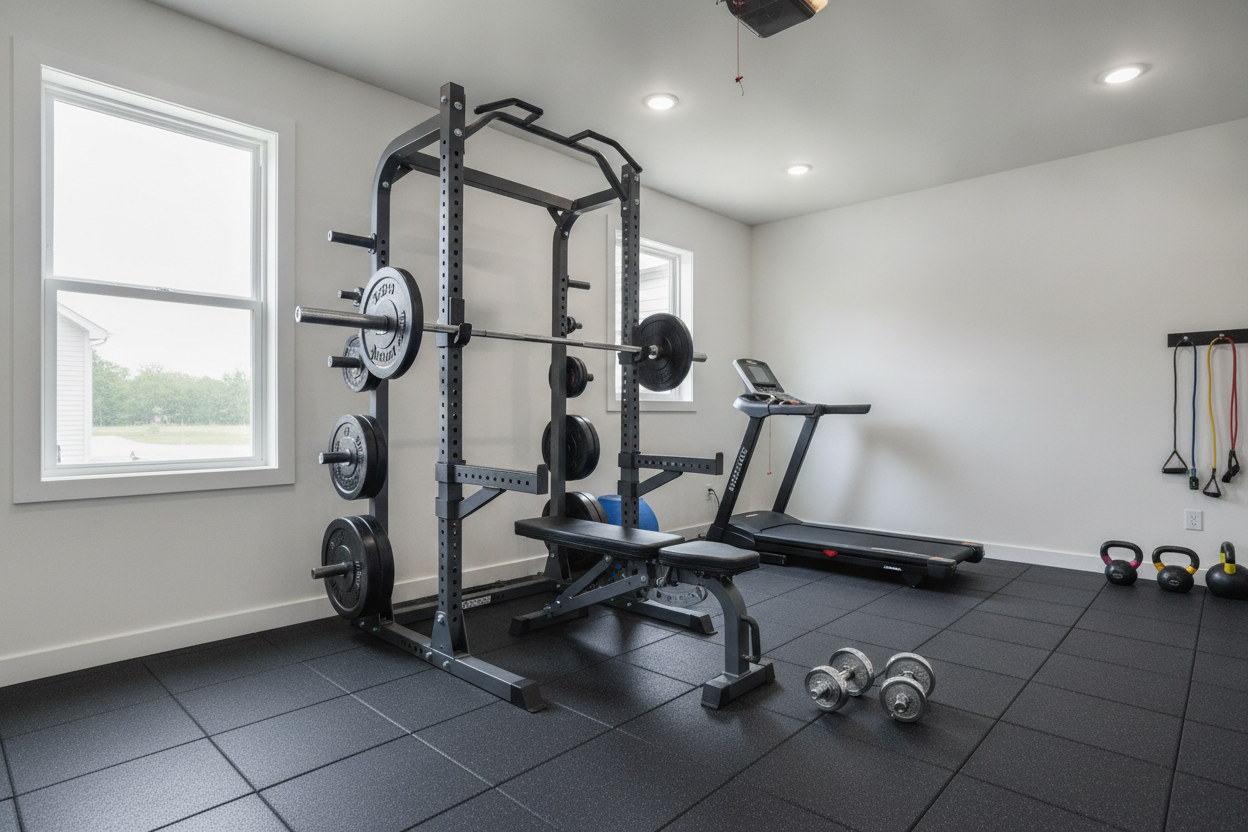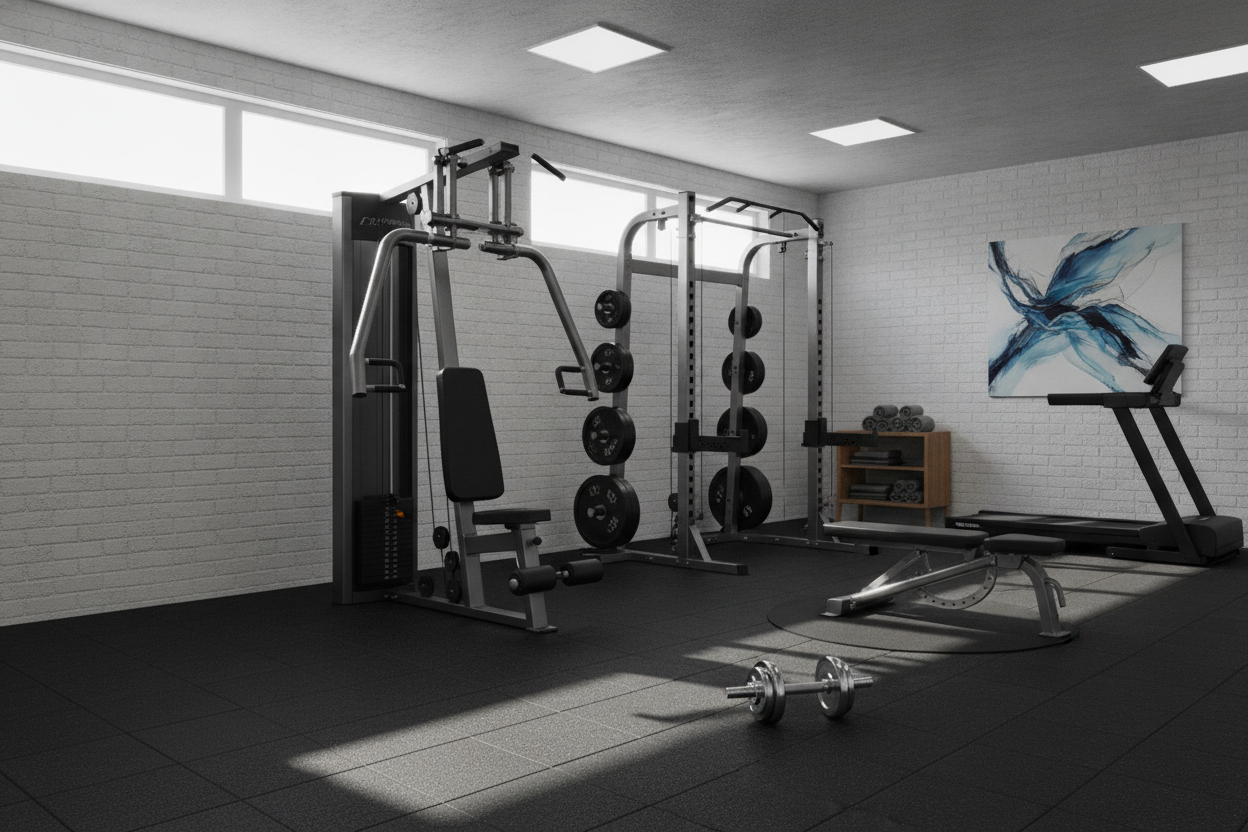
The 4-Move Upper Body Machine Workout Plan I Actually Use
I spent years convinced that if I wasn't under a 45-pound barbell, I wasn't really training. Then my elbows started screaming every time I touched a heavy dumbbell, and I realized I was spending half my session waiting for the one power rack that wasn't being used for curls. Switching to a dedicated upper body machine workout saved my joints and my schedule.
- Machines provide constant tension that free weights often miss at the top of the movement.
- Four key moves cover every major muscle group in the upper body without the fluff.
- Setup is significantly faster, allowing for shorter rest periods and better pumps.
- Ideal for pushing to absolute failure without needing a spotter to save your neck.
Why I Stopped Forcing the Barbell Every Single Session
Barbell burnout is a real thing, especially once you hit your 30s. I used to pride myself on a 315-lb bench, but the nagging shoulder pain and the 20-minute warmup required just to get under the bar started to feel like a chore. I realized that My Dumbbells Gather Dust After This Upper Body Machine Workout because the stability of a selectorized machine allows me to actually find the muscle, rather than just surviving the rep.
When you're locked into a fixed path, your nervous system doesn't have to worry about stabilizing a shaky weight. That means you can direct 100% of your effort into the target muscle. It’s not cheating—it’s efficient hypertrophy. If your goal is to look better and feel less like a car wreck, the machine circuit is a legitimate path to progress.
The Core Upper Body Machine Workout Plan
People love to overcomplicate their training with 12 different variations of a lateral raise. You don't need a dozen exercises to grow. Why My 1 Hour Upper Body Workout Replaced Marathon Gym Sessions is simple: I focus on four big movements and hit them with high intensity. This upper body machine workout plan is built on the basics of horizontal and vertical planes.
Horizontal Push and Pull (The Meat and Potatoes)
First up is the seated chest press. Adjust the seat height so the handles align with your mid-to-lower chest. If the handles are too high, your front delts will take over and your shoulders will hate you. Focus on a deep stretch at the bottom and a hard squeeze at the top. Because you aren't balancing a bar, you can safely pause for a second at the point of maximum contraction to really tear those fibers down.
Follow that with the seated cable row. This is where most people mess up by using too much body English. Keep your torso upright, get a full stretch in your lats by letting your shoulders roll forward slightly at the end, and then pull the handle toward your belly button. I prefer a neutral grip—palms facing each other—because it's easier on the wrists and allows for a better peak contraction in the mid-back.
Vertical Push and Pull (Building Width and Shoulders)
For the vertical pull, the lat pulldown is king. The secret here is the thigh pad. Jam your legs under there so tight that your feet are barely touching the floor; you need that leverage to pull heavy. Avoid pulling the bar behind your neck—it’s an outdated move that does nothing but grind your rotator cuffs. Pull to your upper chest and lead with your elbows.
The machine shoulder press rounds it out. I see people flaring their elbows out to the sides all the time, which is a recipe for impingement. Keep your elbows slightly tucked—about 30 degrees forward—to stay in the scapular plane. It feels more natural and lets you load the weight without that clicking sensation in the joint. If the machine has multiple handle options, the neutral grip is usually the safest bet for long-term shoulder health.
Making This Setup Work for Anyone
This routine isn't just for powerlifters on a deload. When I get asked for an upper body workout gym machines female routine, I point to this exact setup. It removes the intimidation of the plate-loaded section while providing the same muscle-building stimulus as the heavy iron. You get the stability to push yourself to failure without worrying about a bar crushing your chest or dropping a dumbbell on your toe.
The mechanical tension provided by these machines is identical to free weights. The only difference is the learning curve is much shorter. You can walk up to a machine, check the placard for the setup, and be working at 100% intensity within two minutes. It’s about getting the work done without the ego-driven barriers of the free-weight floor.
How to Progress When the Stack Gets Too Light
Eventually, you’re going to pin the bottom of the stack. For an upper body gym workout female machines enthusiast or any seasoned lifter, progression isn't just about adding 5 lbs anymore. If you've run out of weight, start manipulating tempo. Try a 3-second eccentric (the lowering phase) on every rep. Your muscles will be screaming long before you hit rep twelve.
You can also utilize mechanical drop sets. For example, on the chest press, perform as many reps as possible with a wide grip, then immediately switch to a narrow grip and squeeze out five more. Or, use a rest-pause method: hit failure, count to fifteen, and then try to get three more reps with the same weight. This keeps the intensity high without needing a 500-lb weight stack.
Personal Experience
I once spent three months exclusively on a cheap home-gym functional trainer that claimed a 200-lb stack. In reality, the friction in the plastic pulleys was so bad it felt like 150 lbs on the way down and 250 lbs on the way up. It taught me that not all machines are created equal. If the movement feels crunchy or inconsistent at your local commercial gym, move to a different brand of machine. Quality of movement matters more than the number on the plate.
FAQ
Can I build as much muscle with machines as free weights?
Yes. Your muscles only respond to tension and metabolic stress. They don't have eyes; they don't know if you're holding a piece of iron or pulling a cable attached to a stack. If you train to failure, you will grow.
How many days a week should I do this?
Twice a week is the sweet spot. This allows for enough recovery between sessions to ensure you're actually getting stronger, rather than just digging a hole of fatigue.
What if my gym doesn't have a specific machine?
Most machines are interchangeable. No seated chest press? Use a Hammer Strength incline press. No cable row? Use a chest-supported T-bar machine. The goal is simply to move weight in those four specific directions.