The 4 Dumbest Mistakes I Made Trying to Buy Fitness Equipment
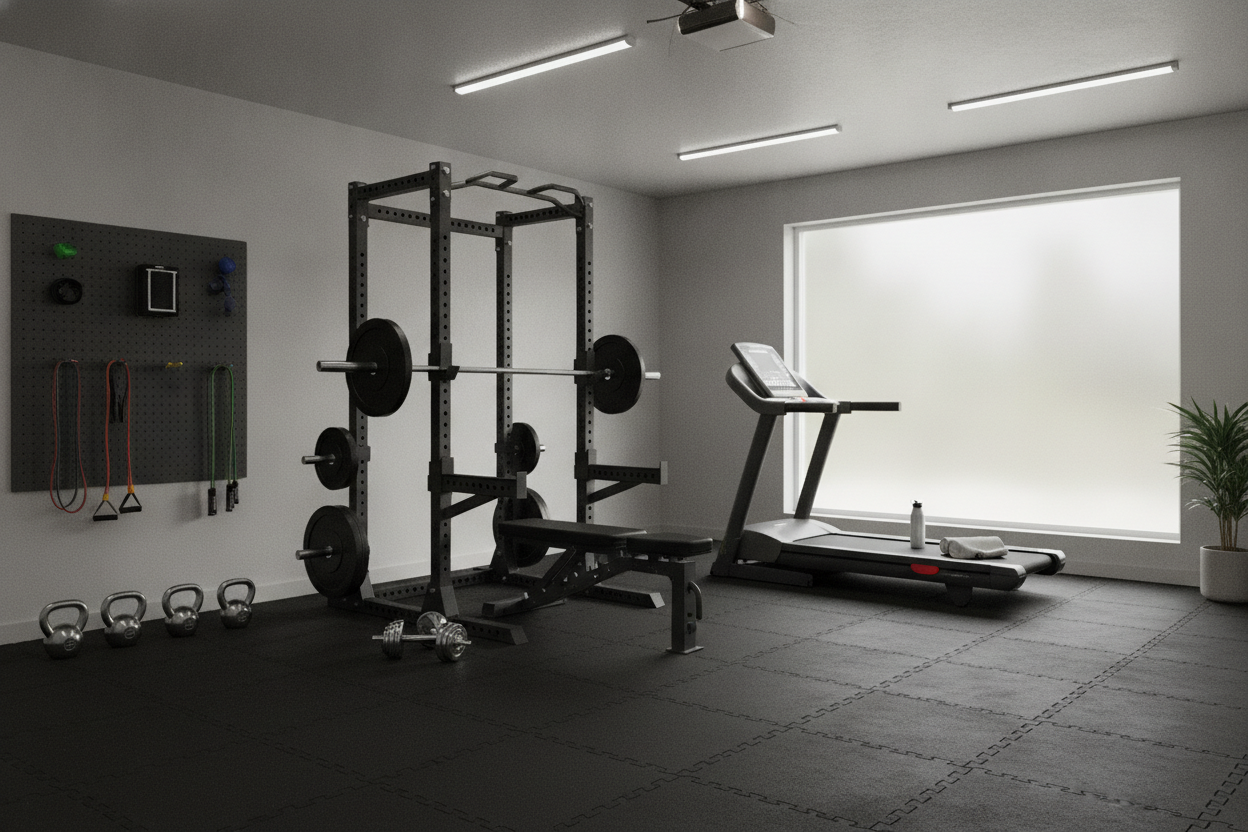
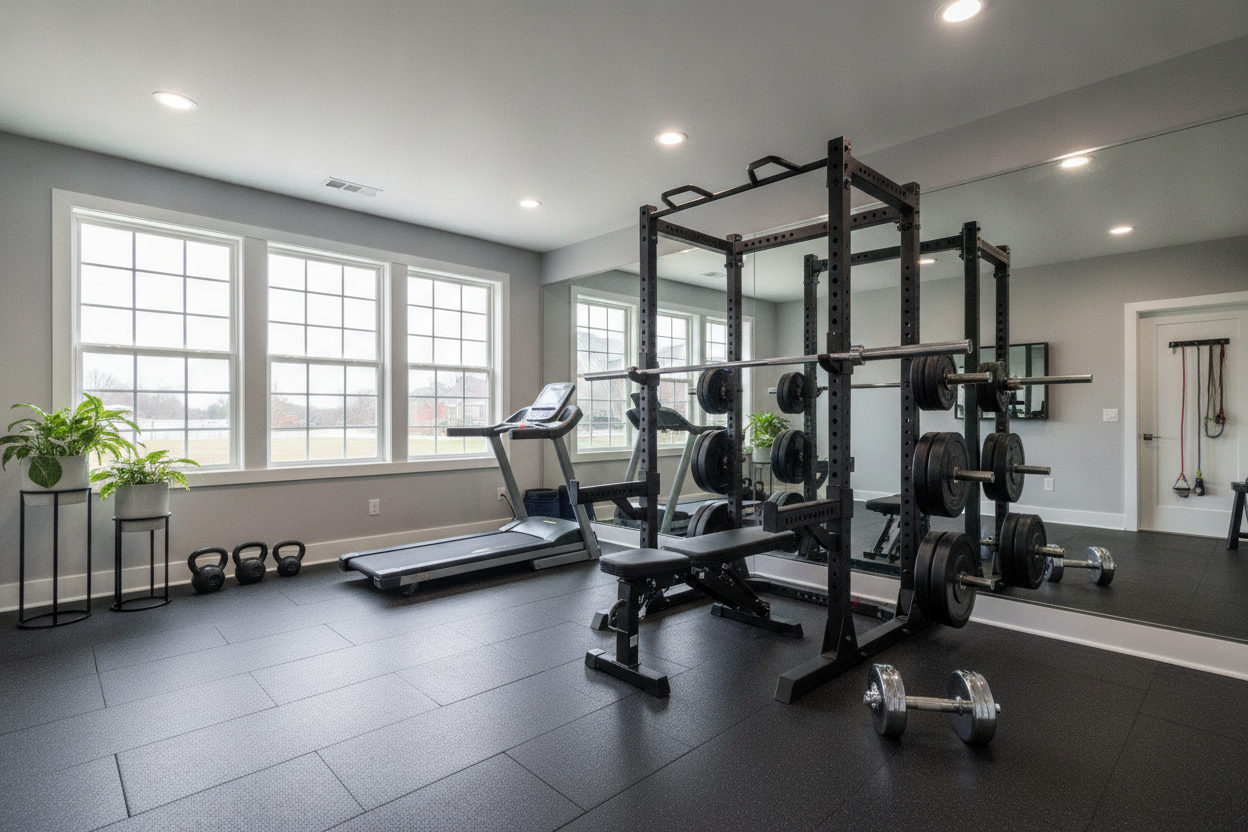
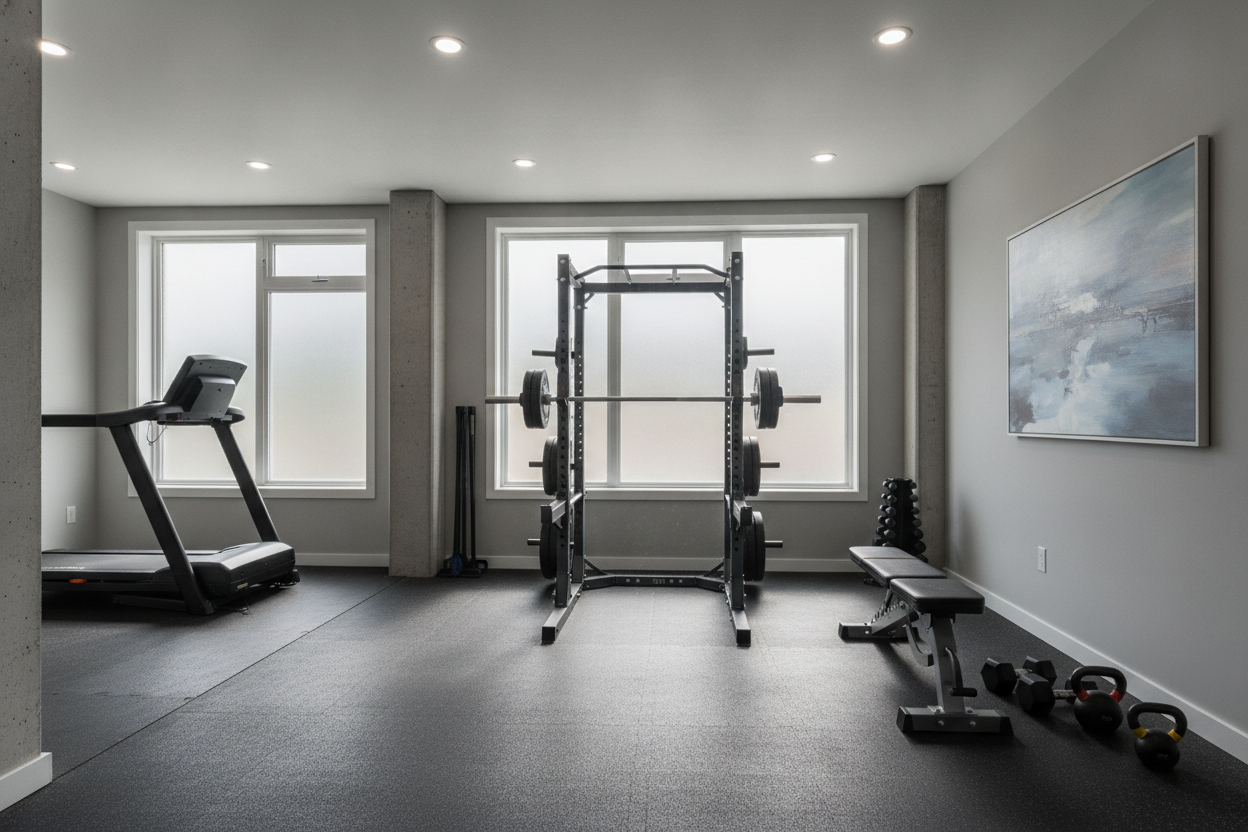
I remember the day my first power rack arrived. I had spent weeks obsessing over the buy fitness equipment search results, thinking I was building the ultimate iron paradise. Instead, I built a $2,000 obstacle course that barely left room for a barbell and made my garage feel like a claustrophobic storage unit.
- Space First: Always tape out your floor plan before hitting buy.
- Standardize: Stick to one rack size (like 3x3) for attachment compatibility.
- Contact Points: Never skimp on the bench or the flooring.
- Function over Hype: Buy for the training you do today, not the athlete you hope to be in three years.
My First Garage Gym Was a Total Disaster
I thought I was being smart by trying to shop exercise machines and bulk weights all at once. My garage looked like a scrap yard within a week. I had a cheap cable crossover that shook every time I used it and a set of iron plates that were so poorly cast they weren't even the same diameter. It was a mess of mismatched sport and gym equipment that didn't work together.
The hard truth I learned is that a flashy setup doesn't equal a good workout. It turns out, sticking to basic exercise fitness equipment is the actual secret to a space that doesn't make you want to quit before the first set. You need a solid foundation—a rack, a bar, and some floor space—before you even think about adding the bells and whistles.
Mistake #1: Buying for the Body You Want, Not the Workouts You Do
We’ve all seen it: the guy who buys a $600 GHD because he saw a CrossFit Games athlete use one, only for it to become a very expensive laundry rack. Don't buy workout equipment for a version of yourself that doesn't exist yet. If you primarily do powerlifting, why are you looking at new exercise equipment designed for high-intensity circuit training?
If you hate HIIT, don't purchase exercise equipment like an air bike just because it's 'hardcore.' You'll use it twice and then spend the next six months walking around it. Check out this definitive buying guide to figure out what your actual training style requires before you drop a paycheck on something that doesn't fit your goals.
Mistake #2: Ignoring the Brutal Reality of Footprints and Ceilings
Online fitness machines look sleek and compact in professional studio photos with 20-foot ceilings. Then they show up at your house and take over your entire life. I once bought a lat pulldown that was 82 inches tall; my garage ceiling is 81 inches. I literally had to cut a hole in the drywall just to fit the top pulley system. It was embarrassing and completely avoidable.
Get a roll of blue painter's tape. Map out the rack, the bench, and—most importantly—the extra 2 feet on each side of the bar for plate loading. If you can't walk around the equipment without shimmying sideways, it’s too big. People often shop workout machines without accounting for 'working space,' which is the area you actually need to move during the exercise.
Mistake #3: The Unforgiving 'Attachment Ecosystem' Trap
This is the one that kills your budget long-term. You see a cool dip station or a landmine attachment on sale and hit buy. Then you realize your rack uses 2x2-inch uprights with 1-inch holes, and the attachment is for a 3x3-inch rack with 5/8-inch pins. If you purchase fitness equipment from five different brands without checking the specs, you’re playing a dangerous game of 'Will it Fit?'
Most serious gear now falls into the 3x3-inch steel category with 1-inch or 5/8-inch holes. Pick a lane and stay in it. It makes it so much easier to fit exercise equipment from different high-quality manufacturers into your existing setup later on. Buying a proprietary rack size is essentially locking yourself into one brand's overpriced ecosystem forever.
Mistake #4: Cheap Benches and Terrible Flooring Will Ruin Your Life
A $100 bench feels fine when you're doing curls, but it feels like a death trap when you’re holding 225 lbs over your face and the frame starts to sway. Cheap foam compresses until you're basically lying on a metal bar. The same goes for flooring. Those thin foam tiles from the toy aisle won't protect your concrete from a dropped 45-lb bumper plate.
I eventually wised up and upgraded to a heavy-duty 6x8ft exercise mat under my main lifting station. It deadens the noise, stops the rack from sliding during aggressive re-racks, and actually stays put. Your joints and your subfloor will thank you for spending the extra fifty bucks on real rubber instead of recycled foam garbage.
A Simple Checklist Before You Hit 'Checkout'
So, where can you buy gym equipment that won't fall apart in six months? Stick to reputable brands that offer at least a 10-year warranty on frames. Always calculate the shipping before you get excited about a price—shipping a 400-lb crate of steel isn't cheap and can often double your total. If you're looking to save, keep an eye on home gym equipment deals from verified manufacturers rather than rolling the dice on random Amazon sellers with fake reviews.
How much ceiling height do I really need for a rack?
Most standard power racks are about 82 to 90 inches tall. You want at least 6 inches of clearance above the rack if you plan on doing pull-ups, otherwise, you'll be hitting your head on the ceiling every rep. If you have low ceilings, look for 'shorty' racks specifically designed for basements.
Is it better to buy a multi-gym or individual pieces?
Individual pieces like a rack, barbell, and bench are almost always better. Multi-gyms have more moving parts that can break, and they limit your range of motion. A rack is infinitely more versatile because you can add attachments as you grow.
What is the first thing I should buy for a home gym?
Start with a high-quality barbell and flooring. You can do almost anything with a good bar and a solid surface. After that, prioritize a squat rack with safety arms. Don't buy a treadmill until you've mastered the basics of your space.