The 3 Red Flags on Any Weight Lifting Machine for Sale
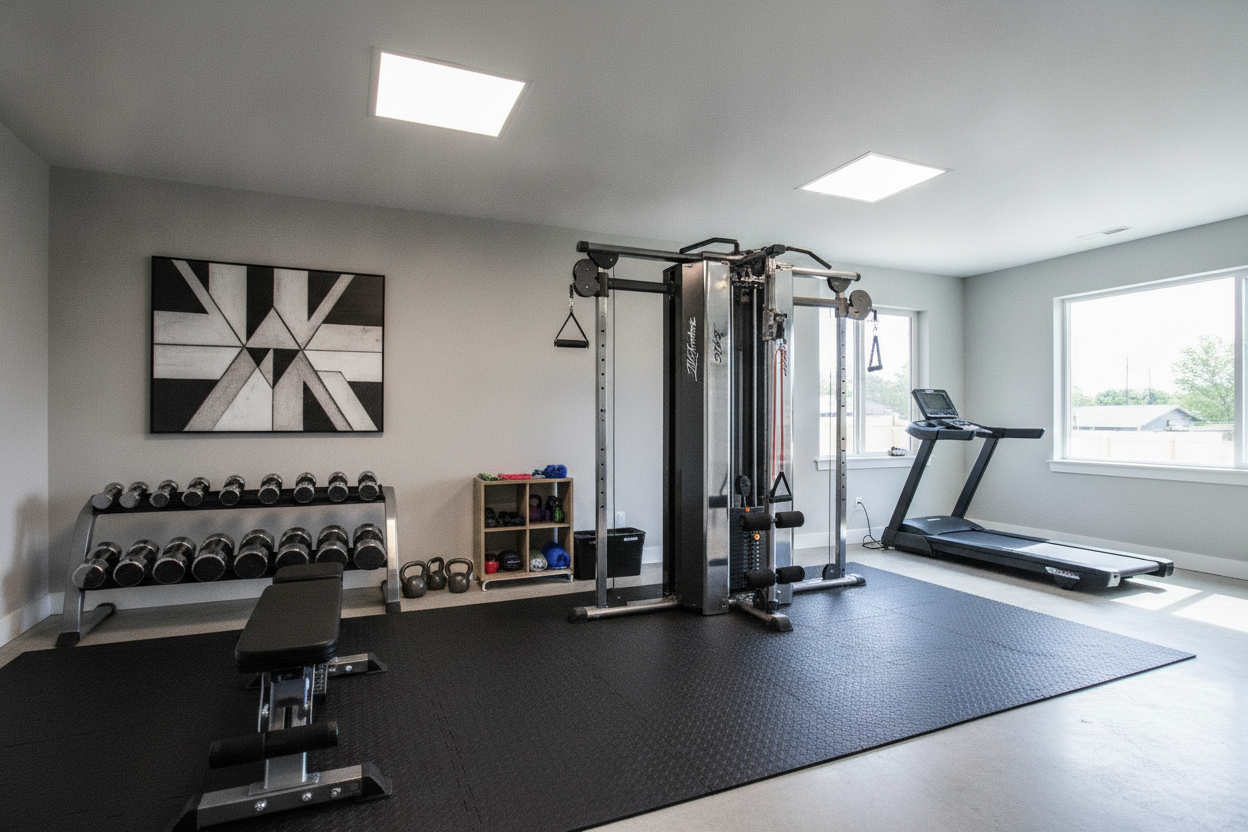
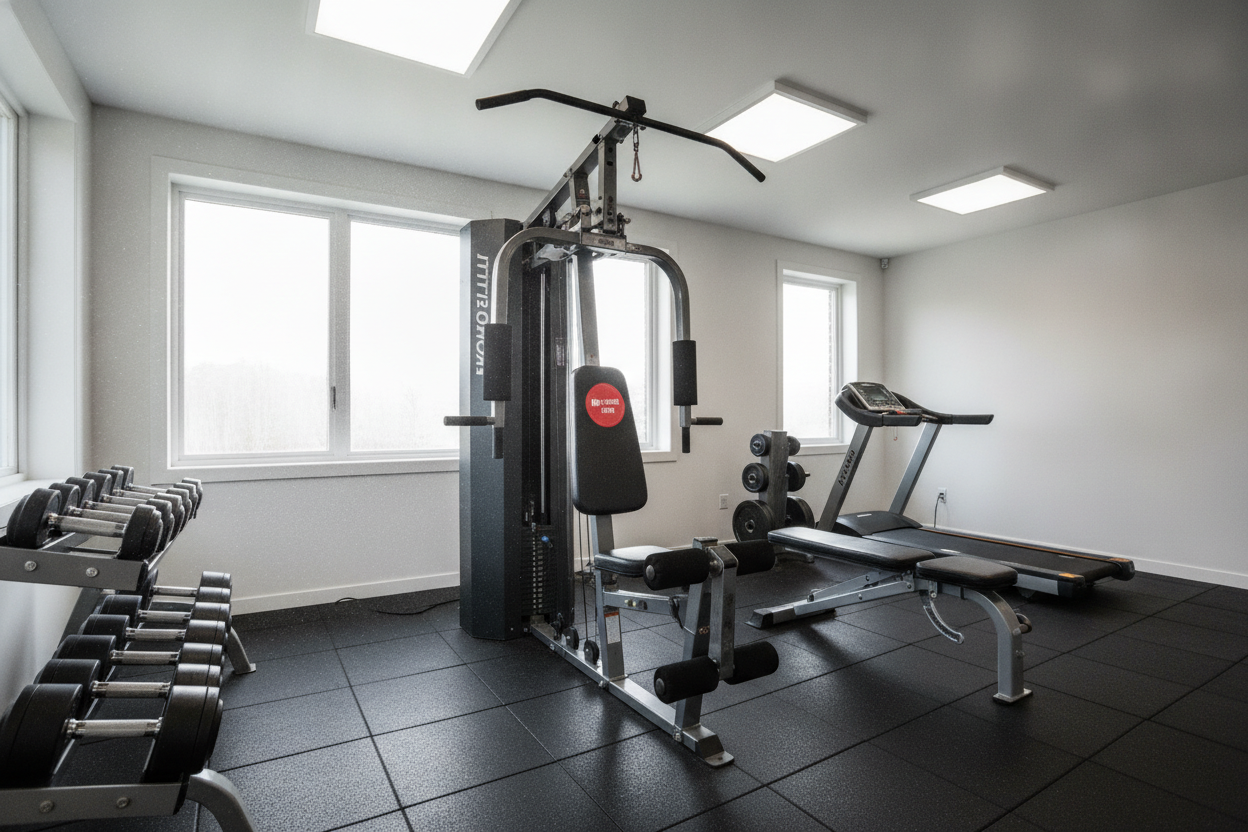
You are scrolling through Marketplace at 11 PM when it happens: a commercial-grade lat pulldown appears for $250. It looks like a tank, it is dusty, and it is only twenty minutes away. You start clearing space in the garage before you even message the seller. We have all been there, chasing the high of a 'steal' on a weight lifting machine for sale from a gym that just went belly-up.
Quick Takeaways
- If the weight stack hitches or jitters, the guide rods are likely bent beyond repair.
- Cracked nylon on cables or plastic pulleys aren't just cosmetic; they are safety hazards.
- Proprietary parts on old commercial gear can be impossible to source once they break.
- No machine can fix a lack of intensity in your training program.
Why That Marketplace Steal Might Be a Trap
Finding a cheap weight machine on sale feels like a win, but commercial gear is built for abuse, not for easy maintenance in a suburban garage. When a gym closes, they often sell off the units that were already acting up. I have spent hours trying to find a specific pivot bolt for a 20-year-old weight machine for sale only to find out the manufacturer went out of business during the Bush administration.
Before you back the truck up, you need to realize that 'heavy duty' often means 'impossible to fix.' If a frame is cracked or a custom pulley is sheared, you are buying a 400-pound paperweight. You want to look for machines with standard-sized cables and common pulley diameters, or you will be commissioning a machine shop to make a $10 part.
Red Flag 1: The Jittery Weight Stack
The soul of any selectorized machine is the weight stack. Grab the handle and pull the weight up as slowly as possible. I mean agonizingly slow. You are feeling for 'stiction'—that jerky, hitching movement where the plates grab the guide rods instead of gliding.
If it feels like the stack is vibrating or catching, the guide rods are likely bent or the bushings inside the top plate are shredded. People love to spray WD-40 on these to hide the noise for a sale, but that actually attracts dust and creates a grinding paste. A machine that does not glide is a machine that ruins your mind-muscle connection and makes every rep feel like garbage.
Red Flag 2: Hidden Cable and Pulley Damage
Cables are the most common failure point. Run your hand (carefully) along the entire length of the cable. If you feel 'bird-caging'—where the internal steel wires have snapped and are poking through the nylon—walk away. Replacing a custom-length cable with specific swaged ends can cost $80 or more if you can't crimp your own.
Check the pulleys next. Most budget machines use plastic pulleys with cheap bearings. Look for flat spots or cracks in the plastic. If the pulley doesn't spin freely when the cable is slack, it has been dragging, which creates friction and wears out the cable ten times faster. I once saw a cable snap under a 200-lb load because of a seized pulley; it sounded like a gunshot and nearly took the guy's teeth out.
Red Flag 3: You Are Buying It for the Wrong Reasons
I see this constantly: someone buys a complicated machine because they think it will finally make them consistent. If your gym machine workout routine for weight loss consists of sitting on a padded seat and doing low-effort sets while checking your phone, the machine is just an expensive chair. Buying gear does not buy discipline.
You also have to ask if the machine is actually better than the basics. Many of the most effective weight lifting exercises for women and men can be done with a simple pair of dumbbells or a barbell. If you are buying a bulky leg press but you don't even have a squat rack yet, your priorities are flipped. Only buy a machine if it allows you to hit an angle or an intensity level that your free weights can't touch.
The 3-Minute Inspection Checklist
When you show up to the seller's house, do not just look at the machine. Put your hands on it. First, check every single weld on the frame for hairline cracks or rust bubbling under the powder coat. If the frame is compromised, the machine is scrap metal.
Second, test the pop-pins. They should snap into place with a definitive click. If they are gummy or loose, the internal spring is shot. Finally, check the upholstery. A small tear is fine, but if the foam is 'bottoming out' and you can feel the plywood underneath, you'll spend another $100 getting it recovered at a local shop.
Personal Experience: The 'Free' Cable Cross
I once picked up a cable crossover for free from a local community center. I thought I was a genius until I got it home. Every single pulley was seized, the cables were rusted internally, and the weight stacks were mismatched. I spent $300 on parts and three weekends of my life to make it usable. By the time I was done, I could have bought a brand-new functional trainer with a warranty. Don't let the 'deal' blind you to the labor costs.
FAQ
Can I use silicone spray on the guide rods?
Yes, but only use 100% dry silicone spray. Never use WD-40 or grease, as they gum up the bushings and turn into a sticky mess that actually increases friction over time.
How often should I replace the cables?
In a home gym, every 2-3 years is a safe bet if you train hard. If you see the outer nylon coating peeling or 'puckering,' replace them immediately before they snap.
Is a plate-loaded machine better than a selectorized one?
For home gyms, plate-loaded is usually better. They are easier to move, have fewer moving parts to break, and you don't have to worry about a 200-lb weight stack crashing through your floor joists.