The 3-Minute Deltoid Muscle Stretch That Saved My Shoulders
I remember the exact moment my shoulder gave up. I was halfway through a heavy set of overhead presses in my garage, and my right deltoid felt like it was being poked with a hot needle. I’d spent years ignoring the 'clicking' sound during bench press, thinking I could just out-train the tightness. I was wrong. I spent hundreds on fancy mobility gadgets, but the real fix wasn't a new toy—it was learning how to perform a proper deltoid muscle stretch that actually targeted the tissue instead of just grinding the joint.
Quick Takeaways
- The standard arm-across-chest stretch is mostly useless for deltoid release.
- Static stretching should follow a dynamic warmup, never replace it.
- Focus on the anterior (front) deltoid to fix 'bench press posture.'
- Use your power rack as an anchor point for better leverage.
Why the Classic Arm-Across-Chest Move Is Garbage
We’ve all done it. You stand there, pull one arm across your chest with the other, and feel a slight tug. Here is the problem: for most people with a tight deltoid, this move just compresses the shoulder joint. It pinches the bursa and creates a sensation of 'stretch' that is actually just joint impingement. It does almost nothing for a rear deltoid stretch because the scapula usually moves with the arm, meaning the muscle itself never actually lengthens.
If you want a posterior deltoid stretch that works, you have to lock the shoulder blade in place. Without that stability, you’re just moving your arm around in the socket like a joystick. It’s fake mobility. You feel like you’re doing something because it hurts, but 10 minutes later, that tight deltoid muscle is right back where it started.
Opening the Front: Undoing the Damage of Heavy Pressing
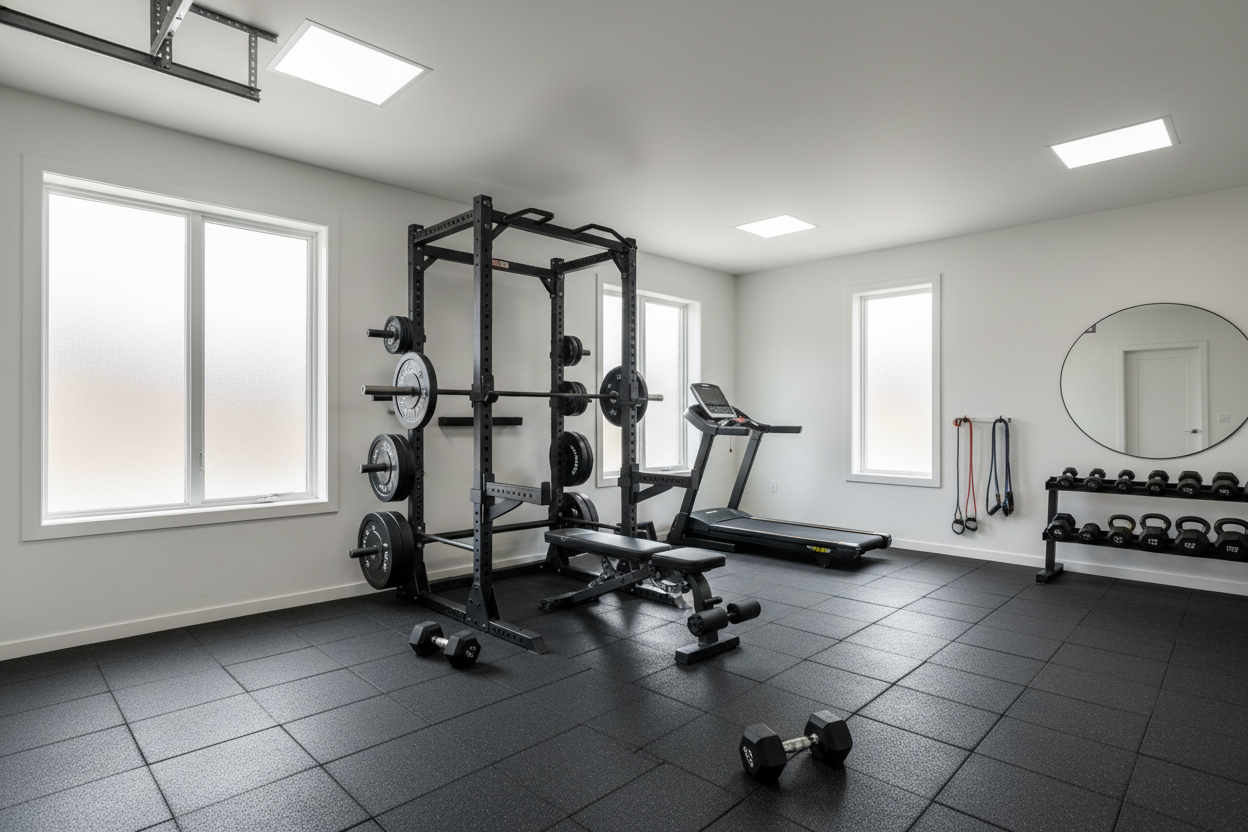
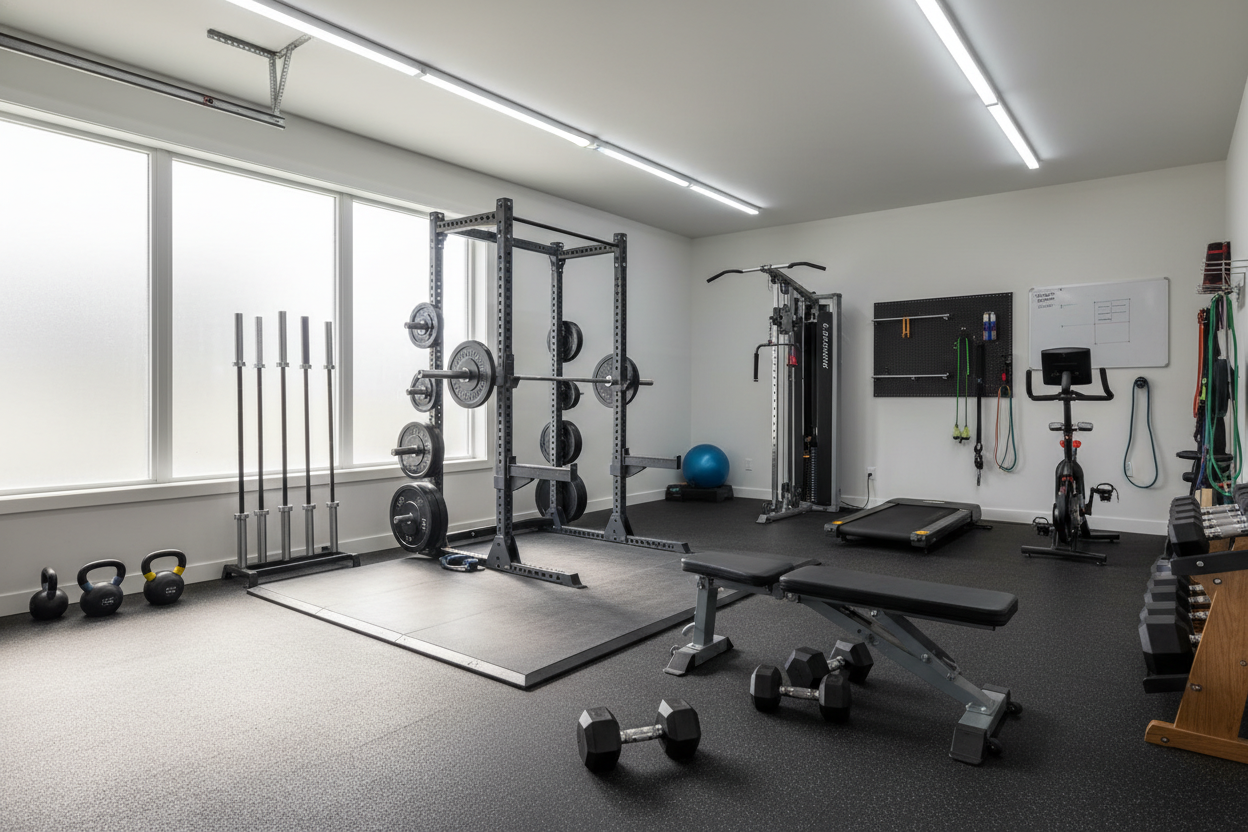
Most home gym owners have an 'anterior dominance' problem. We love benching and overhead pressing, which leads to a tight anterior deltoid. This pulls your shoulders forward into that Neanderthal slouch. To fix this, you need a front deltoid stretch that uses an external anchor. I use the upright of my power rack. Stand facing away from the rack, grab the upright at shoulder height, and slowly turn your body away.
This anterior deltoid stretch opens the chest and the front of the shoulder simultaneously. It’s a massive relief after a heavy chest day. I’ve found that following the deep stretch rule for exercises to build muscle mass—which involves using a full range of motion during your actual lifts—makes this static stretch anterior deltoid move even more effective. You're teaching the muscle to be strong in that lengthened position.
Releasing the Rear: A Better Way to Target the Back of the Shoulder
To get a real how to stretch rear delt result, you need to anchor your arm and lean away. Instead of the 'cross-body' junk, try the 'Rack-Assisted Rear Delt Reach.' Stand sideways to your power rack, reach across your body to grab the upright, and then sit your hips back and away. This forces the posterior delt to lengthen while the rack holds your arm steady.
This is the only how to stretch posterior deltoid method that actually hits the target for me. Often, what we think is a tight rear deltoid is actually a mess of knotted tissue involving the rhomboids and traps. Sometimes you need to stretch muscles under shoulder blade to truly free up the shoulder's range of motion. If your scapula is stuck, your deltoid doesn't stand a chance.
The Side Delt: Do You Actually Need to Stretch It?
People often ask how to stretch side delt or how to stretch lateral deltoid. Here is the truth: the lateral deltoid stretch is rarely the priority. The middle head of the deltoid is mechanically difficult to isolate with a static stretch. Most side deltoid stretch attempts end up just being awkward neck tilts that don't do much for the muscle fibers.
Instead of a side delt static stretch, focus on blood flow. If you have deltoid pain in the lateral head, it’s usually due to overuse or poor mechanics on lateral raises. I’ve found that a medial deltoid stretch—reaching the arm behind the back and gently pulling the wrist—is 'okay,' but dynamic movement is better. Save your static stretching time for the front and back heads where the real tension lives.
My 3-Minute Pre-Workout Protocol
I don't have twenty minutes to roll around on a foam roller. I want to lift. This is the how to stretch your deltoids routine I use before every upper body session. It takes exactly three minutes and ensures I don't feel that familiar 'pinch' when I get under the bar.
- Minute 1: Rack-assisted front deltoid stretch (30 seconds per side).
- Minute 2: Rack-assisted rear shoulder stretch (30 seconds per side).
- Minute 3: Thread-the-needle. Drop down on your gym flooring for home workout and reach one arm under your body, rotating your mid-back.
This combo of a stretch for deltoid muscle and thoracic rotation is the 'secret sauce.' It preps the joint without making it 'lax' or unstable. I used to think I needed to spend an hour on mobility, but consistency beats duration every time. Do this for a week, and you’ll stop wondering how to stretch front delts and start wondering why you didn't do this years ago.
Personal Experience: The Injury That Taught Me Better
I once spent three months unable to do a single push-up because I thought stretching exercises for deltoids were for 'weak' people. I had a tight front deltoid that was so shortened it was literally pulling my humerus out of alignment. I tried to 'power through' the pain with more Vitamin I (Ibuprofen). Eventually, my body forced a shutdown. That was the year I learned that a mid deltoid stretch isn't about being flexible; it's about being able to train next week. Don't be the guy who has to quit lifting at 40 because his shoulders are trashed.
FAQ
How do I know if my deltoids are tight?
Stand with your back against a wall. If your shoulders don't naturally touch the wall, or if you have to arch your back to get your arms overhead, you have a tight deltoid muscle issue that needs work.
Should I stretch my deltoids before or after a workout?
Dynamic movement first. Save the deep, 30-second deltoid stretch exercise holds for after your session or as a standalone deltoid stretches for pain routine in the evening. Stretching a cold muscle can lead to micro-tears.
What is the best stretch for deltoid pain?
If you have sharp deltoid pain, stop stretching and see a pro. But for general dull aching, the rack-assisted posterior deltoid stretch is usually the winner, as it addresses the area where most people carry 'hidden' tension.