The 3 Dumbbell Exercises for Seniors I Make My Parents Do
I remember visiting my parents and seeing a pair of dusty, 2lb pink neoprene weights sitting on their coffee table. My dad told me his doctor suggested some 'light activity' to help with his stiff joints. He was essentially doing wrist curls while watching the news. It drove me nuts. If you can pick up a gallon of milk, which weighs about 8 pounds, you’ve already outgrown those pink weights. We need to talk about real dumbbell exercises for seniors that actually move the needle.
- Muscle mass is the primary currency of longevity; you can't build it without resistance.
- Bone density requires a load that actually challenges the skeletal system.
- Hex-shaped dumbbells are safer than round ones because they won't roll away on a hardwood floor.
- Compound movements like squats and rows provide more bang for your buck than isolation curls.
Why I Threw Out the 2lb Weights
The generic advice given to older adults is often condescending. Most brochures suggest exercises with 2lb weights for seniors as if the person's muscles have forgotten how to function. The truth is that muscle tissue doesn't care how old you are; it only cares about tension. If the weight isn't heavy enough to make the last few reps difficult, your body has no reason to get stronger or keep its bone density.
Doing endless repetitions of 3 lb weight exercises for seniors is essentially just moving your arms through the air. It might improve circulation slightly, but it won't help you carry your own groceries or get up from a low sofa. To trigger a real physiological change, you need a load that creates a bit of a struggle. I started my mom with 8lb weights and my dad with 12lbs. They were nervous at first, but within two weeks, the 'aches' they had from being sedentary started to vanish.
Using light hand weights for seniors has its place in physical therapy for specific tendon rehab, but for general health, it's a trap. It gives a false sense of accomplishment while leaving you vulnerable to frailty. We need to stop treating seniors like they’re made of glass and start treating them like athletes who are simply in a different season of training.
The Core Movement Pattern: Dumbbell Squats for Seniors
If you lose the ability to squat, you lose your independence. It is that simple. Whether it’s getting off the toilet or out of a car, the squat is the foundational movement of human life. This is why dumbbell squats for seniors are the first thing I teach. We use the 'Goblet' style, where you hold one dumbbell against your chest with both hands, like you’re holding a heavy cup of water.
Holding the weight in front serves two purposes. First, it acts as a counterbalance, allowing you to sit back into your hips without feeling like you’re going to fall over. Second, it engages the core muscles, which protects the spine. I tell my parents to imagine they are sitting down into a chair that is just a little too far back. They tap their glutes to a bench and stand back up. No ego, no depth records—just clean, functional movement.
When selecting dumbbells for seniors for this move, start heavier than you think. A single 10lb or 15lb weight is usually the sweet spot for beginners. It provides enough weight to keep the heels planted but isn't so heavy that it compromises form. We do 3 sets of 10 reps. By the final set, they should feel their heart rate up. That’s the feeling of work being done.
Fixing Posture: The Supported Dumbbell Row
As we age, gravity wins. The shoulders start to round forward, the upper back hunches, and the chin pokes out. This 'computer neck' or 'senior slouch' isn't just an aesthetic issue; it ruins your balance and breathing. To fight this, we use the supported row. It targets the muscles between the shoulder blades that are responsible for keeping you upright.
I have my dad use a stable surface to brace himself. An adjustable weight bench is the gold standard here because you can set it to a slight incline or keep it flat to support your non-working arm. By leaning on the bench, you take the pressure off the lower back, which is a common complaint during free weight exercises for seniors. You pull the dumbbell toward your hip, not your chest, squeezing the shoulder blade back like you're trying to pinch a pencil.
This is a key part of any senior dumbbell workout because it builds the 'pulling' strength needed for opening heavy doors or pulling a suitcase. We focus on a slow, controlled descent. Dropping the weight quickly is a missed opportunity for muscle growth and a great way to strain a tendon. Control is king.
Upper Body Strength: The Floor Press
Most people think of the bench press for chest strength, but for older shoulders, the floor press is superior. When you lie on the floor to press weights, the ground acts as a safety stop. Your elbows can’t go too deep, which prevents the head of the humerus from jamming into the rotator cuff. It’s the safest way to perform dumbbell workouts for senior men and women who have decades of wear and tear on their joints.
While you can find dumbbell exercises for seniors with pictures online showing people pressing overhead, I often advise against it initially. Many seniors lack the shoulder mobility to go straight up without arching their lower back. The floor press builds the same pushing power—essential for pushing yourself up off the ground if you ever have a fall—without the risk of shoulder impingement.
Once my parents mastered the floor press and regained some basic chest and tricep strength, I pointed them toward an exercises for shoulders dumbbell routine to help with their reaching range of motion. But for the first six months? We stayed on the floor. It’s stable, it’s safe, and it’s incredibly effective for building a strong upper body.
How to Choose the Best Hand Weights for Seniors
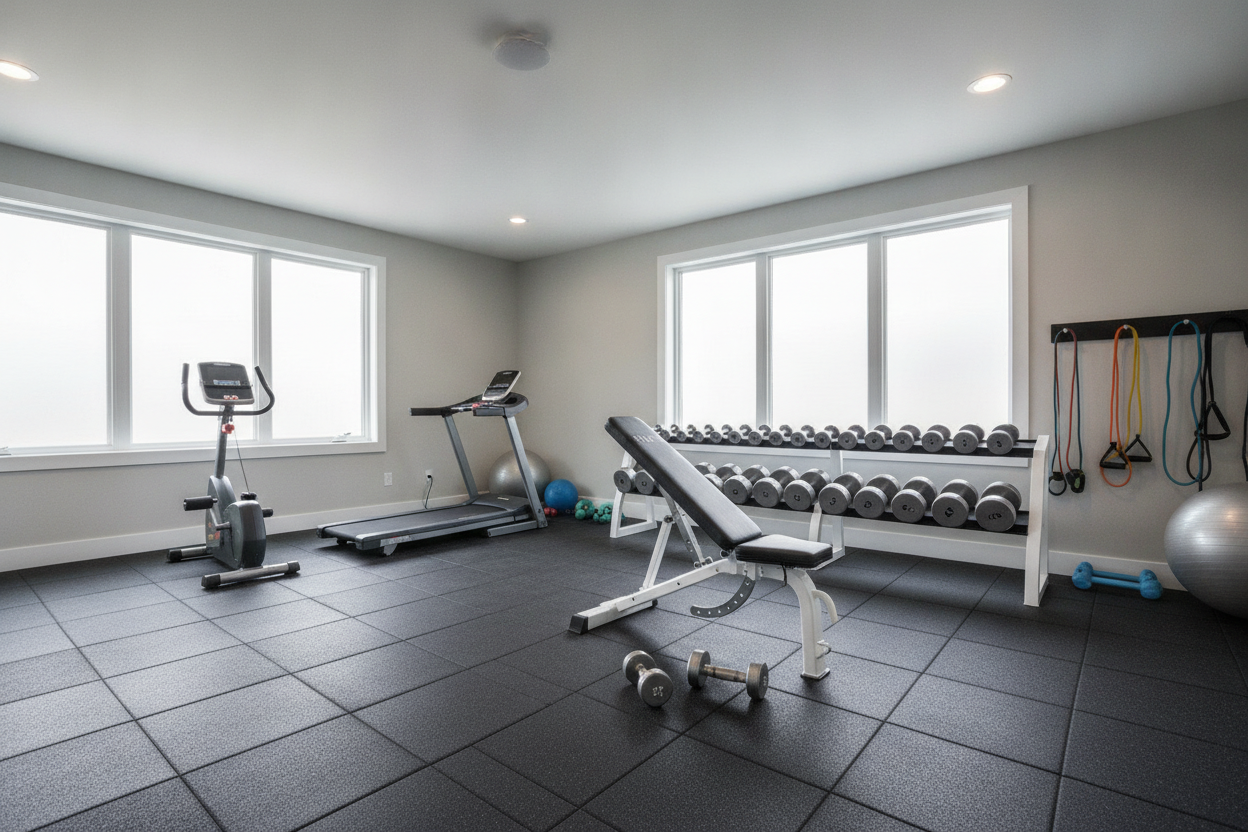
Don't just buy the first set of hand weights for seniors you see at a big-box store. Most of those are coated in thick, slippery neoprene that becomes impossible to hold once your palms get a little sweaty. Look for best hand weights for seniors that feature a 'hex' head design. These are flat-sided, so they won't roll away and become a tripping hazard when you set them down between sets.
Grip diameter is also a huge factor. Many adjustable dumbbells have handles that are too thick for smaller hands or those with arthritis. I prefer a standard chrome handle with light knurling (that sandpaper-like texture). It provides a secure grip without being so aggressive that it tears up the skin. If you are shopping for best dumbbell exercises for seniors equipment, a set of 5lb, 10lb, and 15lb hex dumbbells will cover 90% of your needs for the first year.
Putting It Together: A Weekly Senior Dumbbell Workout
Consistency beats intensity every time. A dumbbell workout for seniors doesn't need to be an hour-long ordeal. I have my parents follow a simple 'Full Body' template three times a week—Monday, Wednesday, and Friday. This allows for 48 hours of recovery, which is vital as you get older and protein synthesis slows down.
The routine is straightforward: 3 sets of Goblet Squats, 3 sets of Supported Rows (each arm), and 3 sets of Floor Presses. We aim for 8 to 12 reps per set. If they can easily do 12 reps with perfect form, we go up in weight by 2 to 5 pounds the next week. This 'progressive overload' is the secret sauce. Without it, you’re just maintaining; with it, you’re actually getting younger in terms of physical capability.
FAQ
Is it safe for a 70-year-old to lift weights?
Yes, and it's arguably more dangerous NOT to lift. Sarcopenia (muscle loss) is a leading cause of falls and fractures. As long as you start at a manageable weight and focus on form, strength training is the best medicine for aging.
What are the best hand weights for seniors with arthritis?
Look for dumbbells with a slightly contoured handle and use lifting straps if your grip strength is the limiting factor. Avoid the very thin, cheap plastic weights as they are harder to squeeze securely.
How many days a week should a senior do a dumbbell workout?
Three days a week is the sweet spot. It provides enough stimulus to build muscle while allowing plenty of time for joints and the nervous system to recover between sessions.