That Massive Workout Equipment Sale Is Designed to Make You Overspend
I remember the 5 AM shifts before a big holiday workout equipment sale. We weren't prepping to help you hit a PR or build the ultimate garage gym; we were rearranging the floor to make sure you saw the high-margin junk first. I’ve seen people drop two grand on a treadmill with a motor so weak it would struggle to pull a wet noodle, all because it had a '50% OFF' sticker slapped on the console.
The truth is, most big-box retail sales are inventory clearing events disguised as 'fitness transformations.' If you go in without a plan, you’re going to walk out with a 14-gauge steel rack that wobbles when you rack 135 lbs and a set of vinyl-coated dumbbells that will peel before your second workout.
Quick Takeaways
- Doorbusters are often low-spec 'decoy' models designed to sell out instantly.
- The highest quality iron is usually moved to the back of the store during major sales.
- Bundled accessories are often used to hide the poor value of the primary machine.
- Always check the weight capacity and steel gauge—discounts don't make a weak rack safer.
The Doorbuster Decoy That Always Sucks You In
Every exercise equipment sale starts with the 'bait.' This is that $299 motorized treadmill or the $150 all-in-one bench advertised in the flyer. These machines are engineered for one purpose: to get you through the door. They usually have a weight capacity of 250 lbs or less and a footprint so small it feels like you're training in a phone booth.
Once you're on the floor, the sales rep will 'casually' mention that the doorbuster is out of stock—conveniently, just ten minutes after the store opened. Then comes the pivot. They’ll point you toward the $800 model that isn't actually on sale, but 'is a much better investment for your goals.' You’ve already made the trip, so you’re primed to say yes just to avoid going home empty-handed.
If you’re looking for a real deal, ignore the front-of-store flashy displays. Look for the stuff that looks like it belongs in a dungeon gym. If it has a lot of plastic shrouds and 'smart' screens, you’re likely paying for marketing, not performance.
How We Hid the Good Gear During Discount Weeks
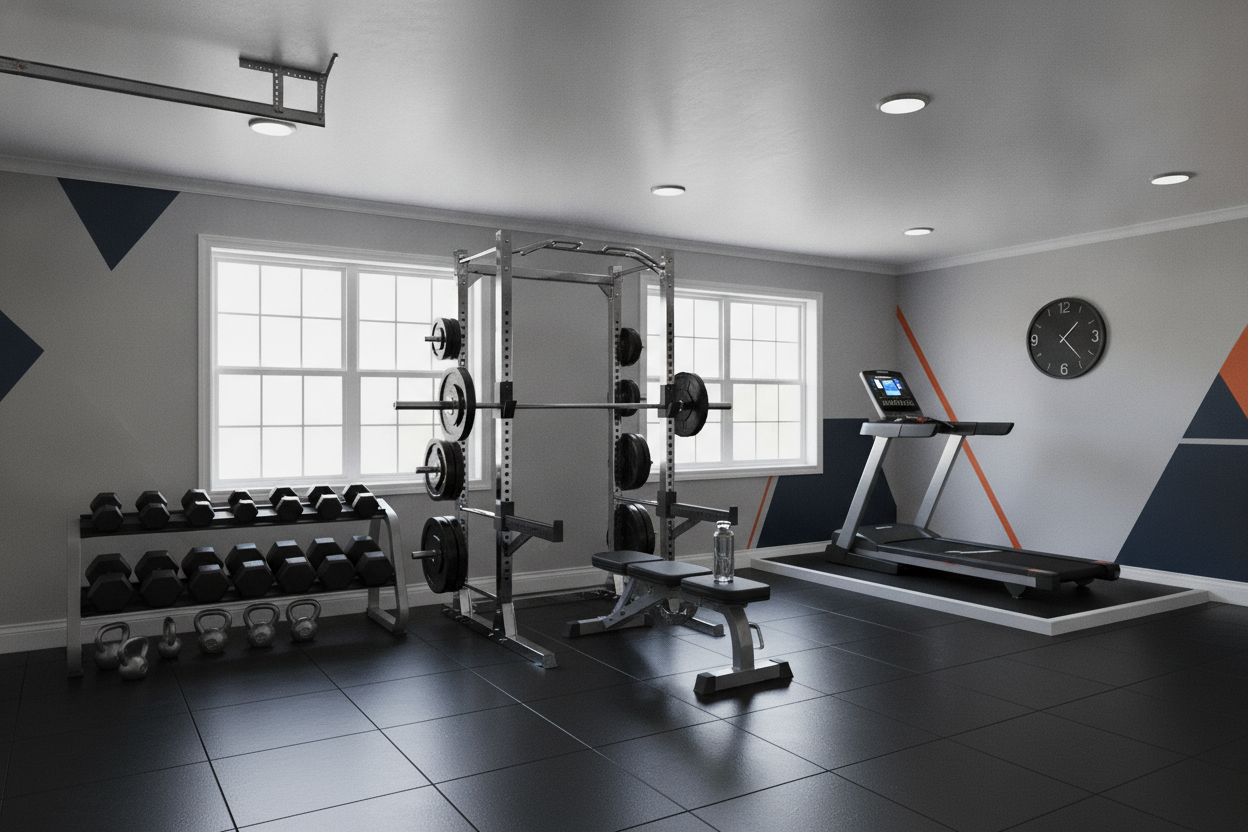
When I worked the floor, we had a specific layout for every major sales on workout equipment. We’d take the 11-gauge steel power racks and the bars with actual knurling and shove them into the darkest corners of the warehouse. We didn't want you buying the stuff that lasts a lifetime; we wanted you buying the 'home-use' gear that you'd need to replace in eighteen months.
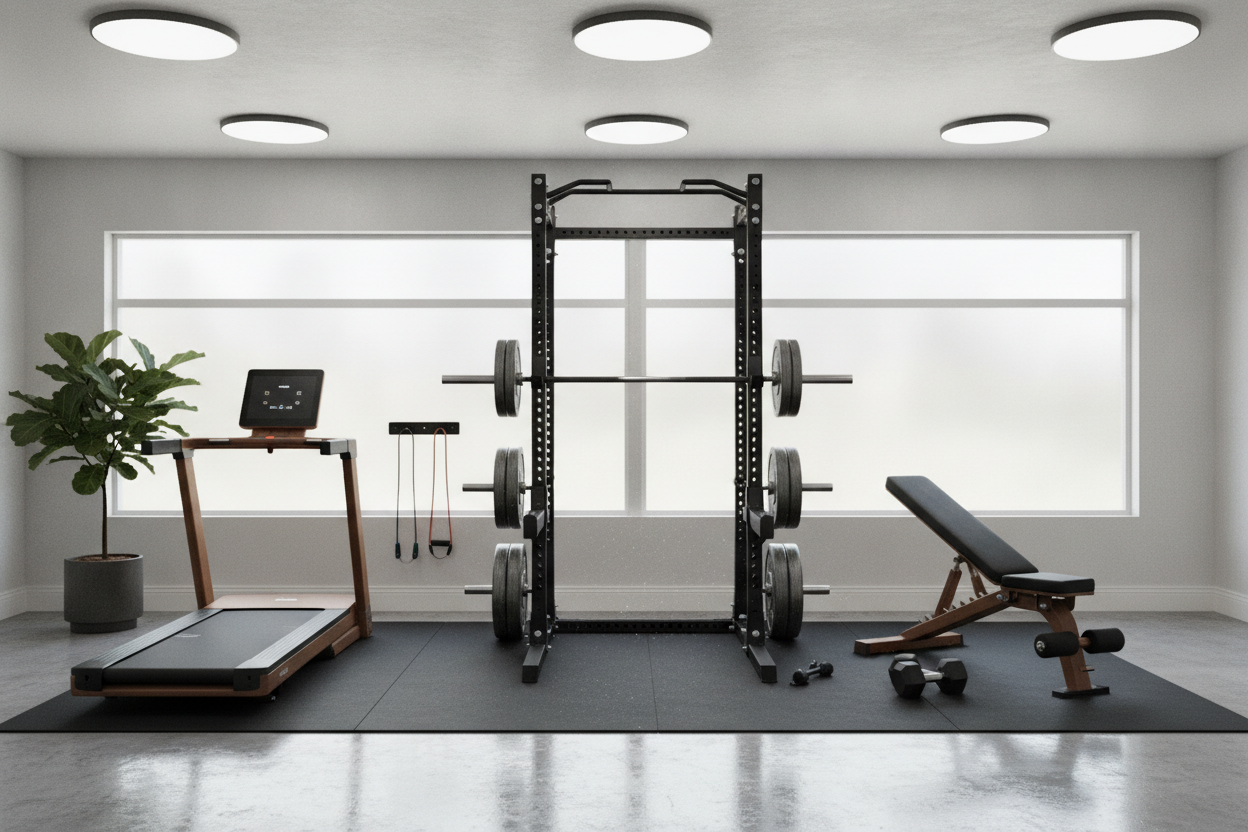
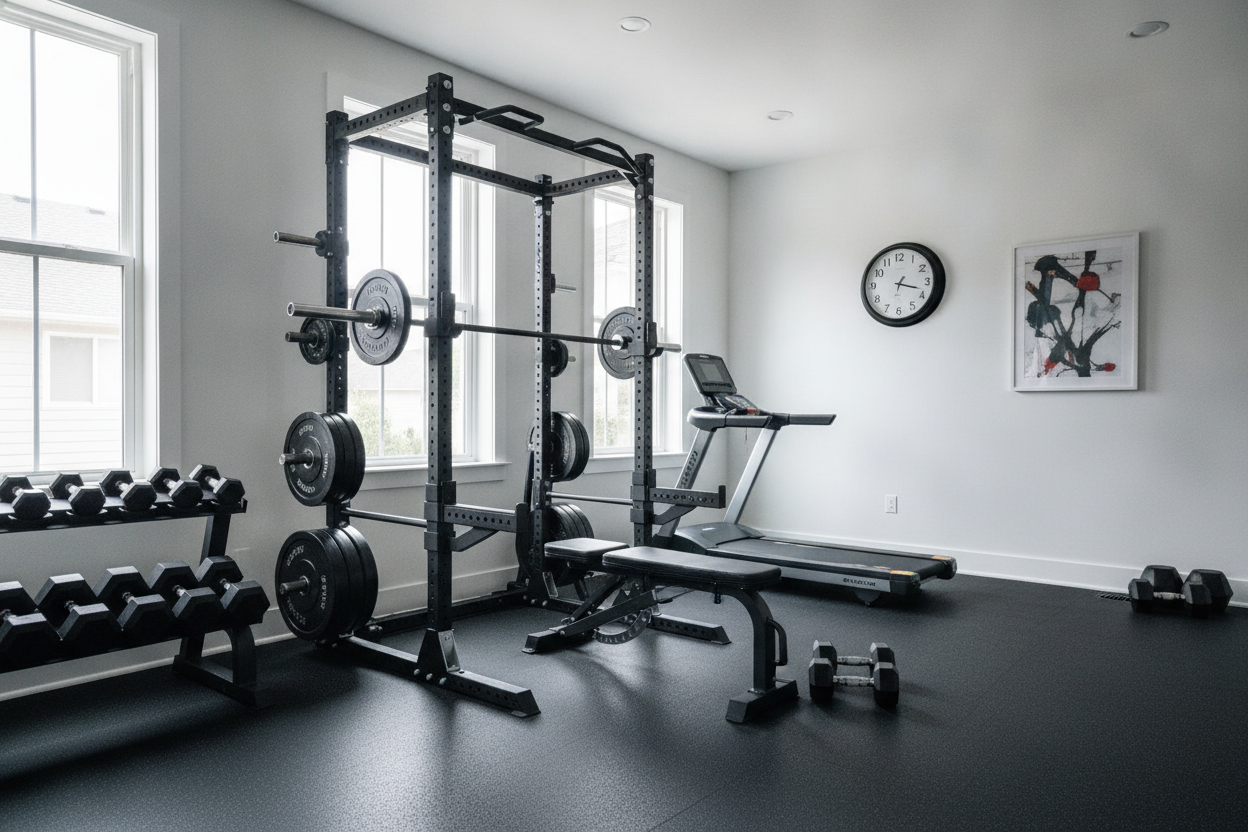
Retailers know that the top home exercise equipment for a complete workout usually consists of a solid rack, a barbell, and plates. But plates have thin margins. To make the numbers work during a sale, we’d push the 'integrated' systems that come with proprietary cables and plastic pulleys. They look impressive under showroom lights, but they lack the versatility of a basic iron setup.
Before you head out, pull up the specs for the gear you actually want. If you want a 3x3-inch upright rack, don't let a salesperson talk you into a 2x2-inch bolt-together unit just because it comes with a 'free' pair of 5-lb ankle weights.
The Bundle Trap: Inflating Your Ticket with Junk
The bundle is the oldest trick in the book. You’ll see a 'Complete Home Gym Package' that includes a bench, some weights, and a 'protective floor mat.' Usually, that mat is a set of 1/4-inch foam puzzle pieces that will compress into nothing the second you put a rack on them. They include these items because they cost the store pennies but allow them to claim a 'total value' that is hundreds of dollars higher than reality.
I always tell my friends to skip the throw-in accessories. You are much better off buying your heavy-duty gym flooring for home workout separately. You want something that can actually handle a dropped hex dumbbell without leaving a permanent dent in your subfloor. Those flimsy mats offered at the register are basically yoga mats with delusions of grandeur.
The same goes for 'included' barbells. If a home workout equipment sale includes a bar, check if it’s a standard 1-inch bar or a 2-inch Olympic bar. Most 'bundle' bars are the thin 1-inch variety that can't hold more than 200 lbs safely. If you’re planning on deadlifting, that bar is a paperweight waiting to happen.
Rules for Actually Winning When Prices Drop
You can still find legitimate home gym equipment deals, but you have to be disciplined. My first rule: if you didn't want it at full price, don't buy it at 30% off. A discount on a piece of equipment that doesn't fit your training style is just a waste of space in your garage.
Second, ignore the 'limited time only' countdown timers. Fitness equipment goes on sale every single quarter. If you miss the Labor Day sale, the Black Friday sale is right around the corner. Never let a sense of urgency override your technical requirements. If you need a rack with a 1,000-lb capacity because you’re squatting 400+, don’t settle for a 500-lb capacity rack just because it’s 'only for today.'
Finally, do your homework on shipping. I’ve seen many 'sales' where the price of the iron is dropped by $50, but the shipping cost is hiked by $60. Always look at the 'out the door' price, including freight and tax, before you get excited about a markdown.
When to Walk Away from the Showroom Floor
I once watched a guy buy a smith machine during a home workout equipment sale because it was 'too cheap to pass up.' He hated smith machines. He wanted to do free-weight squats. But the price tag blinded him. Six months later, that machine was a very expensive clothes rack in his basement.
If the equipment doesn't feel right—if the cables are gritty, the bench wobbles, or the knurling feels like smooth plastic—walk away. No discount is worth a bad workout. Your home gym should be a place where you're excited to train, not a graveyard for retail mistakes. If the deal seems too good to be true, it’s probably because the manufacturer cut corners on the steel or the bearings.
FAQ
Are floor models worth buying during a sale?
Only if the discount is deep—at least 40% off. Floor models have been abused by hundreds of people who don't care about the equipment. Check for frayed cables and loose bolts before saying yes.
How do I know if a discount is 'real'?
Use price tracking tools or keep a spreadsheet of the items you want. Many retailers 'mark up' the MSRP a month before a sale just so they can 'discount' it back to the original price later.
Should I buy a 'smart' gym on sale?
Be careful. If the company goes out of business or stops supporting the software, your expensive 'smart' machine becomes a very heavy mirror. Stick to iron and steel if you want something that lasts twenty years.