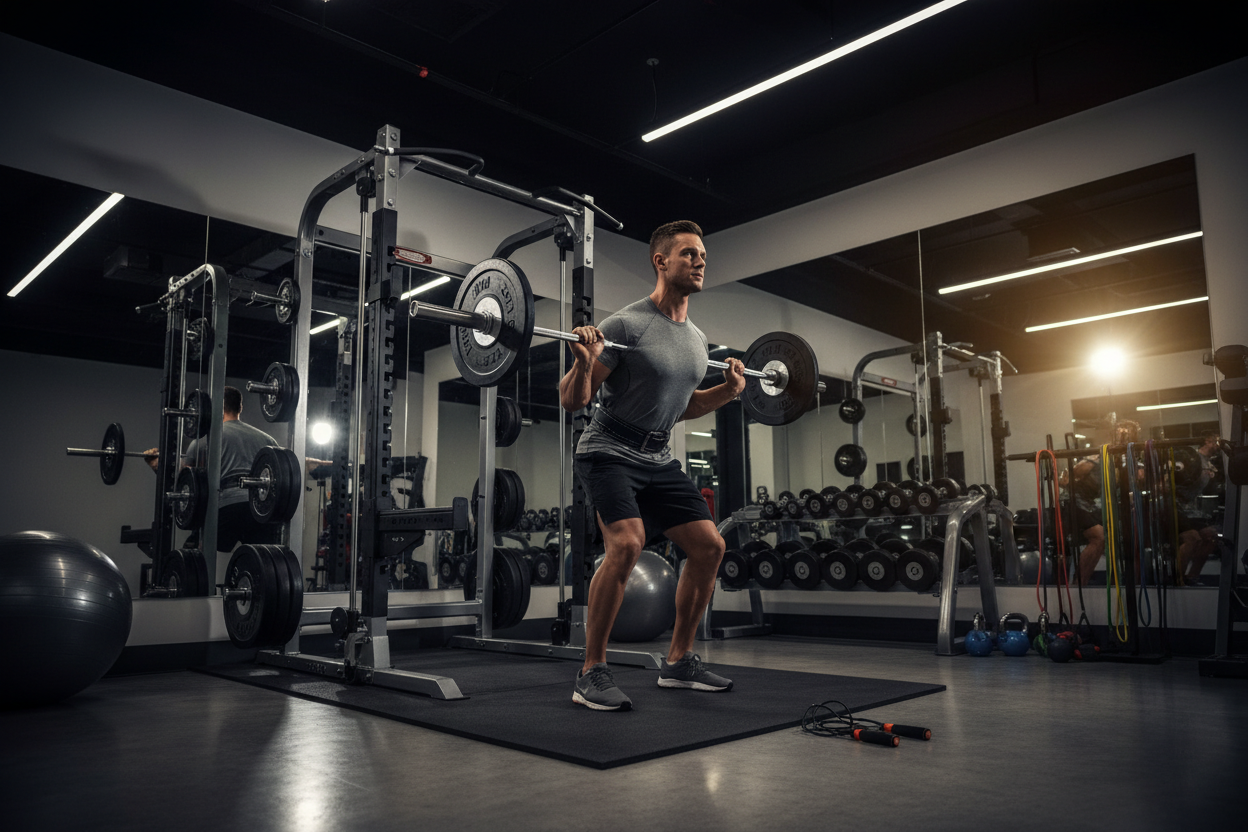
Stop Worsening Your Shoulder: The Safe Rotator Cuff Injury Workout
You reach for the barbell, or maybe just a coffee mug on a high shelf, and you feel it. That sharp pinch followed by a dull, aching throb deep inside the shoulder capsule. It’s the nightmare of every lifter and athlete. But here is the good news: a tear or strain doesn't necessarily mean you are bedridden.
In fact, total inactivity can sometimes lead to a frozen shoulder or severe atrophy. The secret lies in executing a strategic rotator cuff injury workout that promotes blood flow without aggravating the inflamed tissue. We aren't just trying to survive the injury; we are trying to engineer a recovery that leaves your stabilizers stronger than before.
Key Takeaways: Quick Recovery Summary
- Respect the Pain Arc: If it hurts, stop. Discomfort is okay; sharp pain is a red light.
- Prioritize Isometrics: Static holds build strength without the grinding friction of movement.
- Keep Elbows Tucked: Flaring elbows puts the rotator cuff in a compromised impingement zone.
- Focus on Scapular Control: A stable shoulder blade protects the rotator cuff muscles.
- Train the Lower Body: Use this time to maximize leg and core strength while the upper body heals.
The Science of "Active Recovery" vs. Rest
Many people assume that workouts with rotator cuff injury limitations are impossible. This is a misconception. While you must rest the injured tissue, absolute rest for the surrounding musculature is often counterproductive.
The rotator cuff is a group of four small muscles responsible for stabilizing the humeral head (the ball of your arm bone) into the glenoid (the socket). When you stop moving entirely, the capsule stiffens. Controlled movement pumps nutrient-rich blood into the area, which these tendons desperately need because they naturally have a poor blood supply. This is why controlled exercise often beats total sedation.
How to Exercise with Rotator Cuff Injury
Modifying your routine requires a shift in mindset. You are no longer chasing PRs (Personal Records); you are chasing stability. Here are the non-negotiable rules for navigating the gym floor right now.
1. The "Thumb-Up" Rule
Whenever you raise your arm (if your range of motion allows), keep your thumbs pointing up. This externally rotates the humerus, clearing space in the shoulder joint and preventing the bones from grinding against the rotator cuff tendons. Avoid the "empty can" (thumbs down) position at all costs.
2. Keep the Load Close
The further a weight is from your body, the longer the lever arm and the higher the torque on your shoulder joint. When doing squats, lunges, or farmer carries, keep the weight tight to your center of mass.
3. Switch to Neutral Grips
If you are cleared to do light pressing or pulling, use a Swiss bar or dumbbells with a neutral grip (palms facing each other). This naturally tucks the elbows and reduces stress on the supraspinatus tendon.
Safe Shoulder Exercises for Rotator Cuff Injury
We need to stimulate the muscle without shearing the tendon. These movements focus on the stabilizers rather than the prime movers (like the deltoids).
Isometric External Rotation
Stand in a doorway. Bend your affected arm 90 degrees at the elbow, keeping it tucked into your ribs. Press the back of your hand into the doorframe as if trying to rotate your arm outward. Hold for 10-15 seconds. You won't move, but the muscle will fire. This builds strength without grinding the joint.
Scapular Wall Slides
Stand with your back against a wall. Press your forearms against the wall in a "W" shape. Slowly slide your arms up into a "Y" shape without letting your lower back arch or your forearms leave the wall. This teaches your shoulder blades to move correctly, taking the burden off the cuff.
The Floor Press
If you must press, ditch the bench. Lie on the floor. The floor physically stops your elbows from going too deep, which is usually where the rotator cuff gets overstretched and irritated. Use light dumbbells and control the descent.
My Training Log: Real Talk
I want to be transparent about my own brush with this injury. A few years ago, I ignored a nagging click in my left shoulder and went for a heavy overhead press. The result was a partial tear in the supraspinatus.
The hardest part wasn't the pain; it was the ego check. I remember walking into the gym and having to grab the pink 2lb dumbbells for my rehab exercises. I felt ridiculous. There’s a specific, humbling wobble you feel when you try to hold your arm out at 45 degrees with zero weight—your brain says "lift," but the arm just stutters.
Sleeping was a nightmare. I couldn't lie on my left side, and if I rolled over in my sleep, I’d wake up gasping. But I found that doing "band pull-aparts" between every set of leg presses kept my shoulders warm and surprisingly alleviated that deep, toothache-like throb. It took four months of boring, unsexy stabilizer work, but when I returned to pressing, my bench actually went up because my foundation was finally solid.
Conclusion
Dealing with a shoulder issue is a test of patience, not just strength. A smart rotator cuff injury workout isn't about what you can't do; it's about mastering the small, stabilizing movements you likely neglected before. Respect the healing process, focus on perfect mechanics, and you will return to the iron game more resilient than before.
Frequently Asked Questions
Can I still lift weights with a rotator cuff injury?
Yes, but with modifications. You should focus on lower body exercises (leg press, lunges) and core work. For the upper body, stick to isometric holds and movements that do not cause pain. Avoid overhead pressing and upright rows until fully healed.
How do I know if my shoulder pain is serious?
If you experience sharp, shooting pain, weakness that prevents you from lifting your arm, or pain that wakes you up at night, consult a medical professional immediately. General soreness is different from the mechanical failure of a tear.
What is the worst exercise for rotator cuff injuries?
Behind-the-neck presses and upright rows are generally considered the worst offenders. They place the shoulder in an internally rotated and abducted position, which drastically increases the risk of impingement and further tearing.