Stop Wasting Your Squats: The Real Blueprint for Building Powerful Glutes
Most people think they are training their backside effectively because they throw a few squats into their weekly routine, yet they still suffer from lower back pain, poor posture, and a lack of explosive power. If you want to know how to get strong glutes, the answer isn't just doing more reps of the same movements. The secret lies in mastering hip extension, waking up dormant muscle fibers through activation drills, and applying progressive overload specifically to the posterior chain. You cannot build a powerhouse physique while sitting on your greatest asset all day.
Modern lifestyles are the enemy of glute development. When you sit for eight to ten hours a day, your hip flexors tighten, and your glutes lengthen and weaken. This leads to a phenomenon often called "gluteal amnesia," where your brain essentially forgets how to fire these muscles properly. To counteract this, you need a targeted approach that prioritizes the hip hinge movement pattern over simple knee-dominant exercises.
Why Your Back Pain Might Actually Be a Glute Problem
I learned the hard way that a weak posterior chain is a recipe for injury. Years ago, I hit a plateau in my deadlift that I couldn't break. Worse, I started developing a nagging ache in my lower lumbar spine every time I tried to go heavy. I assumed my back was weak, so I did more hyperextensions. The pain got worse. It wasn't until a mentor pointed out that my knees were caving in during squats—a classic sign of weak glute medius—that I realized the issue. My lower back was taking over the load because my glutes weren't doing their job. Once I shifted my focus to isolation work and heavy hip thrusts, not only did my numbers go up, but the back pain vanished completely.
Having strong glutes does more than fill out a pair of jeans. These muscles are the primary stabilizers of the pelvis. When they are weak, your pelvis tilts forward, putting immense shear force on the spine. By strengthening them, you create a solid foundation that protects your knees, hips, and lower back during athletic movements and daily life.
The Mechanics of Muscle Growth
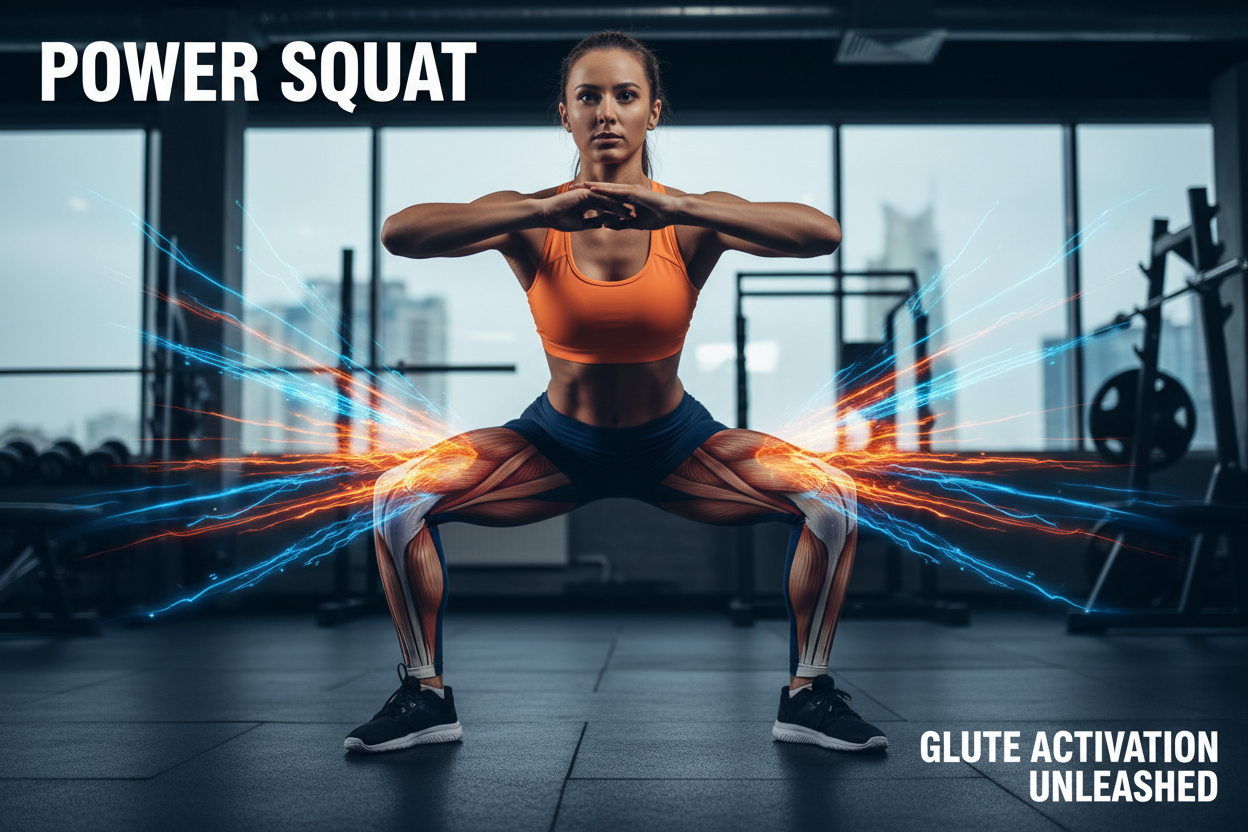
Understanding the anatomy is crucial if you want to figure out how to build strong glutes efficiently. The muscle group is made up of three main parts: the gluteus maximus (the large muscle responsible for shape and power), the gluteus medius (side glute responsible for stability), and the gluteus minimus. Many trainees focus solely on the maximus with movements like lunges but completely neglect the smaller muscles that stabilize the femur.
To stimulate growth, you must subject these muscles to mechanical tension. This means lifting weights that are heavy enough to challenge the muscle fibers near failure. High-repetition bodyweight kickbacks have their place for endurance, but they won't build the density and strength most people are looking for. You need to move heavy loads with control.
Mastering the Hip Hinge
Before you load up a barbell, you must master the hip hinge. This is the movement of pushing your hips back while keeping your spine neutral and shins relatively vertical. This pattern loads the hamstrings and glutes rather than the quads. If you are asking how to make glutes strong without growing massive thighs, the hip hinge is your answer. Exercises like the Romanian Deadlift (RDL) differ from the conventional deadlift because they keep tension on the posterior chain throughout the entire range of motion, providing a deep stretch that is vital for hypertrophy.
The Essential Rotation: Strong Glutes Exercises
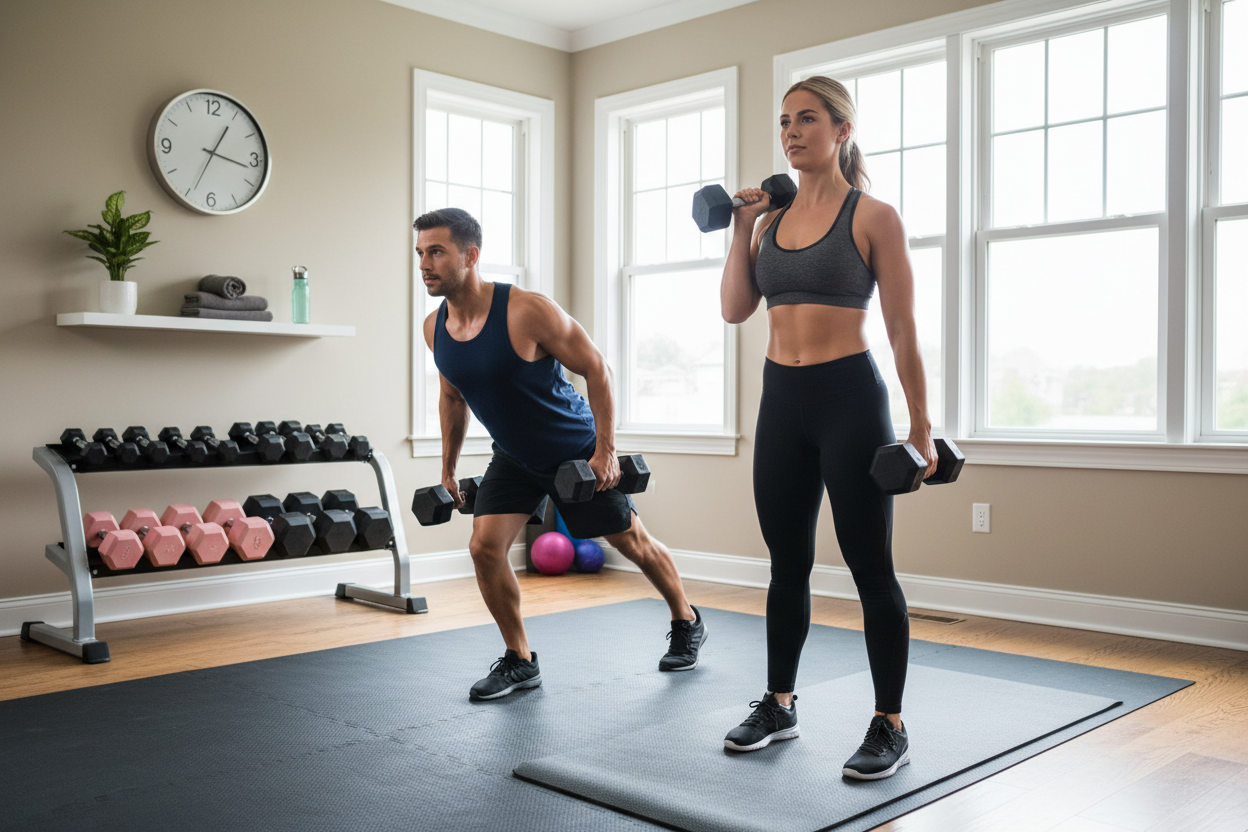
You don't need a dozen different machines to see results. You need a few high-value movements performed with intensity. Here are the most effective strong glutes exercises you should integrate into your training split:
1. The Barbell Hip Thrust
The squat is often hailed as the king of leg exercises, but for pure glute isolation, the hip thrust reigns supreme. Because your knees remain bent, your hamstrings are largely taken out of the equation, forcing the glutes to do the heavy lifting. This exercise allows for peak contraction at the top of the movement where the glutes are shortest.
2. Romanian Deadlifts (RDLs)
While the hip thrust works the muscle in a shortened position, the RDL challenges the glutes in a lengthened position. This stretch under load causes significant muscle damage (the good kind) that signals the body to repair and grow. Keep the bar close to your legs and stop when your hips stop moving back.
3. Bulgarian Split Squats
Unilateral training is non-negotiable. Most people have one side stronger than the other. Bulgarian split squats fix imbalances and place a tremendous load on the glute of the working leg. To target the glutes more than the quads, lean your torso forward slightly and take a wider stance.
4. 45-Degree Hyperextensions
This is often seen as a lower back exercise, but with a slight tweak, it becomes a glute destroyer. Round your upper back slightly (chin to chest) and turn your feet out 45 degrees. Drive your hips into the pad to lift yourself up rather than arching your back. This puts the focus entirely on the posterior chain.
Activation and Frequency
Since we sit so much, jumping straight into heavy sets can be dangerous if the muscles aren't firing. Start every leg session with 5 to 10 minutes of activation work. Banded lateral walks, clam shells, and glute bridges done with body weight help establish the mind-muscle connection. You want to feel the muscle squeeze before you add iron to the bar.
Regarding frequency, the glutes are a large, resilient muscle group. They can handle a high volume of work. Training them twice a week is generally superior to a single "leg day." One day can focus on heavy, lower-rep compound movements (strength focus), while the second day can focus on higher reps and metabolic stress (hypertrophy focus). This variation ensures you are hitting both fast-twitch and slow-twitch muscle fibers.
Nutrition and Recovery
You can do hip thrusts until you collapse, but you won't see changes without fuel. Muscle tissue requires protein to repair. Ensure you are consuming adequate protein and remaining in a slight caloric surplus if your goal is to add size. Sleep is equally important; growth hormone is released during deep sleep cycles, which is when the actual building process occurs.
Building a powerful posterior chain takes patience and smart programming. Stop relying on momentum and start relying on tension. Prioritize the hinge, respect the heavy loads, and remain consistent. That is the only way to truly transform your physique and performance.
Frequently Asked Questions
How long does it take to see results in glute strength?
With consistent training (2-3 times per week) and proper nutrition, you can expect to feel strength improvements within 4 to 6 weeks. Visible muscle growth typically takes closer to 12 weeks of progressive overload, as muscle hypertrophy is a slower biological process than neuromuscular adaptation.
Can I build strong glutes without heavy weights?
You can improve muscle tone and endurance with bodyweight exercises, but building significant strength and size generally requires external resistance. To continue progressing without weights, you must use advanced variations like single-leg hip thrusts or pistol squats to maintain high mechanical tension.
Why do I feel leg exercises in my lower back instead of my glutes?
This usually indicates that your core is weak or you are hyperextending your spine to complete the movement. Focus on bracing your abs, keeping your ribs down, and reducing the weight until you can feel the glutes contracting specifically to move the load.