Stop Wasting Time: The Only Chest Workout Guide You Need for Real Growth
If you want to know what is the best exercise for the chest, the answer isn't a secret buried in a complex scientific study. For pure mass and strength building, the barbell bench press remains the king. It allows you to load the most weight and recruit the maximum amount of muscle fibers across the entire pectoral girdle. However, relying on just one movement is rarely enough to build a complete, three-dimensional physique. A truly optimal chest workout requires attacking the muscle from different angles to target the clavicular (upper), sternocostal (middle), and abdominal (lower) heads effectively.
Building a massive chest is often the primary goal for anyone stepping into a gym, but the path is cluttered with misinformation and bro-science. You might see guys doing endless sets of cable crossovers without seeing results, or ego-lifting on the bench until their shoulders give out. To actually see changes in the mirror, you need to understand which movements provide the best stimulus for hypertrophy and how to structure them into a cohesive routine.
The Heavy Hitters: Compound Movements
To build a chest workout that actually delivers size, you have to start with heavy compound lifts. These are the movements that involve multiple joints—specifically the shoulder and elbow—working in unison. While the flat barbell bench press is often cited as the chest workout best suited for raw power, the incline dumbbell press is arguably superior for aesthetic development. The upper chest is notoriously stubborn, and barbells can sometimes lock your shoulders into a fixed path that causes irritation.
Dumbbells offer a distinct advantage because they allow for a greater range of motion. When you lower a barbell, the bar hits your chest before your pecs are fully stretched. With dumbbells, you can lower the weights past your torso, providing a deep stretch that is critical for muscle growth. Furthermore, you have to stabilize each weight independently, which corrects muscle imbalances. If your right side is stronger than your left, a barbell lets the dominant side take over. Dumbbells force equality.
For those wondering what is the most effective chest exercise for overall thickness, the weighted dip is a contender that often gets ignored. Often called the "upper body squat," dips recruit a massive amount of muscle mass, targeting the lower pecs and triceps heavily. Leaning forward during the movement shifts the tension from the triceps directly onto the chest, making it one of the most effective chest exercises you can perform.
Isolation: Chasing the Pump
Once the heavy lifting is done, you need to focus on isolation. This is where you flood the muscle with blood and focus on the mind-muscle connection. So, what exercises are good for chest isolation? The cable fly is generally superior to the dumbbell fly. When you use dumbbells for flyes, the tension on the pecs decreases at the top of the movement because gravity pulls the weight straight down through your skeletal structure rather than against the muscle. At the top of a dumbbell fly, you are essentially resting.
Cables provide constant tension throughout the entire range of motion. When you cross your hands at the peak of a cable fly, your pecs are still fighting the resistance. This continuous tension is what creates the metabolic stress necessary for hypertrophy. The pec deck machine is another viable option here, as it stabilizes the body and allows you to focus purely on bringing the elbows together.
When determining what exercise works pecs best in an isolation setting, look for movements that allow you to bring your arm across your body (adduction). The primary function of the pectoral major is to bring the humerus across the midline. Pressing movements do this, but fly movements isolate this specific function without the triceps bottling out first.
My Experience Breaking Through a Plateau
A few years ago, my chest growth stalled completely. I was obsessed with hitting a heavy flat bench press every single Monday. I thought that hard chest workouts meant moving the most weight possible, regardless of how I felt. The result wasn't a bigger chest; it was nagging rotator cuff pain and a chest that looked flat. I decided to drop the ego and completely restructure my approach.
I stopped flat benching with a barbell entirely for six months. Instead, I prioritized the incline dumbbell press as my primary movement, focusing on a 3-second negative (lowering) phase. I followed this with weighted dips and finished with controlled cable work. The drop in total weight lifted was humbling, but the results were undeniable. My upper chest finally filled out, giving my torso that "armored" look, and my shoulder pain vanished. It taught me that a good chest exercise is defined by how well you feel the muscle working, not by how many plates are on the bar.
Structuring the Ultimate Routine
You don't need to live in the gym to see results. In fact, good chest workouts are often concise and intense. Doing 20 sets of chest exercises usually leads to "junk volume"—sets that fatigue you but don't stimulate growth. Here is a structure that covers all bases, ensuring you hit the upper, middle, and lower heads effectively.
The Hypertrophy Blueprint
-
Incline Dumbbell Press: 3 sets of 8–12 reps. Focus on the upper shelf. Keep the bench angle at 30 degrees to minimize front delt involvement.
-
Flat Barbell or Dumbbell Bench Press: 3 sets of 6–10 reps. This is for overall mass. If you used dumbbells for the first exercise, a machine press here is also acceptable to maintain stability as you fatigue.
-
Weighted Dips: 3 sets of 10–15 reps. Lean forward to target the lower pecs. If you can't do weighted dips, bodyweight is fine, or use an assisted machine.
-
Cable Crossovers (High to Low): 3 sets of 15–20 reps. Focus on the squeeze at the bottom. This acts as a finisher to deplete the remaining glycogen in the muscle.
This routine combines heavy mechanical tension with metabolic stress. It answers the question of what exercises are good for chest development by including a mix of pressing and fly movements. Remember, essential chest exercises are only essential if you perform them with precision. Retracting your shoulder blades (pinching them together) during pressing movements protects your shoulders and forces the chest to do the work.
Frequency and Recovery
Many lifters ask about the optimal chest workout frequency. Hitting chest once a week (the classic "International Chest Day") is standard, but training it twice a week usually yields better results for natural lifters. Muscle protein synthesis typically lasts 48 to 72 hours. If you wait a full week to train chest again, you are leaving growth opportunities on the table.
Consider an Upper/Lower split or a Push/Pull/Legs split. This allows you to hit the chest every 3 to 4 days. However, if you increase frequency, you must manage volume. You cannot do a grueling 20-set session twice a week and expect to recover. Splitting the volume (e.g., 6–8 sets per session, twice a week) allows for higher intensity and better quality reps.
Ultimately, the best exercise for the chest is the one you can progress on safely over time. Whether you choose barbells, dumbbells, or machines, the principle of progressive overload applies. You must add weight, reps, or improve technique over time. Hard chest workouts should challenge your mental fortitude, but they should never leave you injured.
Frequently Asked Questions
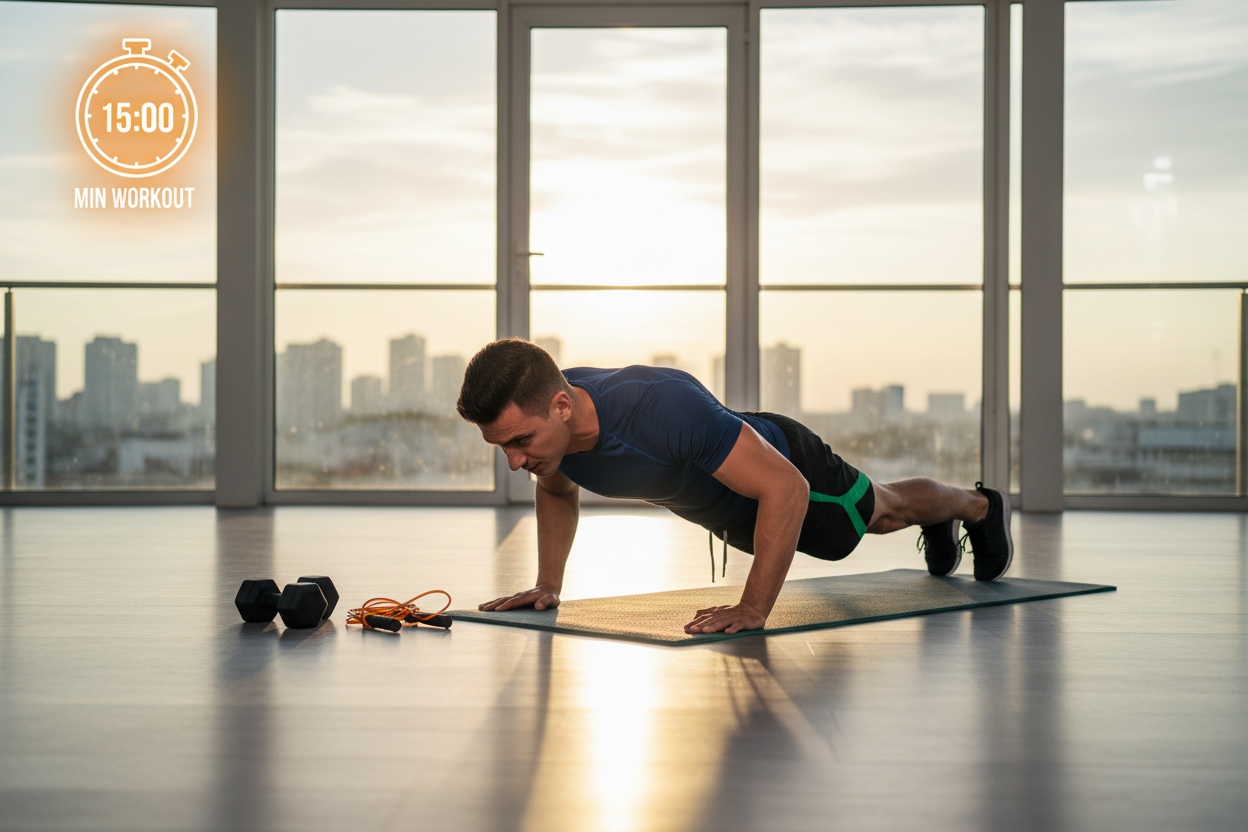
Can I build a big chest with just pushups?
Yes, initially. Pushups are effective for beginners, but eventually, your body weight won't provide enough resistance for continued growth. To keep progressing, you will need to add external weight (like a weighted vest) or switch to gym-based resistance training to achieve significant hypertrophy.
Why do I feel my shoulders more than my chest when benching?
This usually happens because your shoulder blades aren't retracted, or your elbows are flared out too wide (90 degrees). Tuck your elbows slightly (about 45 to 75 degrees) and pinch your shoulder blades together against the bench to create a stable base that forces the pecs to take the load.
Is the decline bench press necessary?
Generally, no. The lower pecs get plenty of stimulation from flat bench presses and dips. Most people lack upper chest development, not lower chest development, so spending time on the decline bench is often less efficient than focusing on incline movements or dips.