Stop Wasting Time on Squats: The Real Secret to Building Your Glutes
You have probably spent hours on the elliptical or done hundreds of air squats in your living room hoping for a shape change that never comes. It is the most common frustration I hear in the gym. The truth is, building significant muscle mass in your posterior chain requires more than just moving your body through space; it requires mechanical tension, metabolic stress, and the right angles. If you want results, you need to stop treating your glute training like cardio and start treating it like bodybuilding. The most effective approach involves heavy compound lifts that isolate the hips rather than the knees.
Many people believe that soreness equals growth, but that is a misconception. You can have a killer glute workout without being unable to walk the next day. The primary driver of growth is progressive overload—consistently challenging the muscles with more weight or better technique over time. If you are just going through the motions without focusing on the mind-muscle connection, your quads and hamstrings will likely take over, leaving your glutes under-stimulated and flat.
My Wake-Up Call With Heavy Lifting
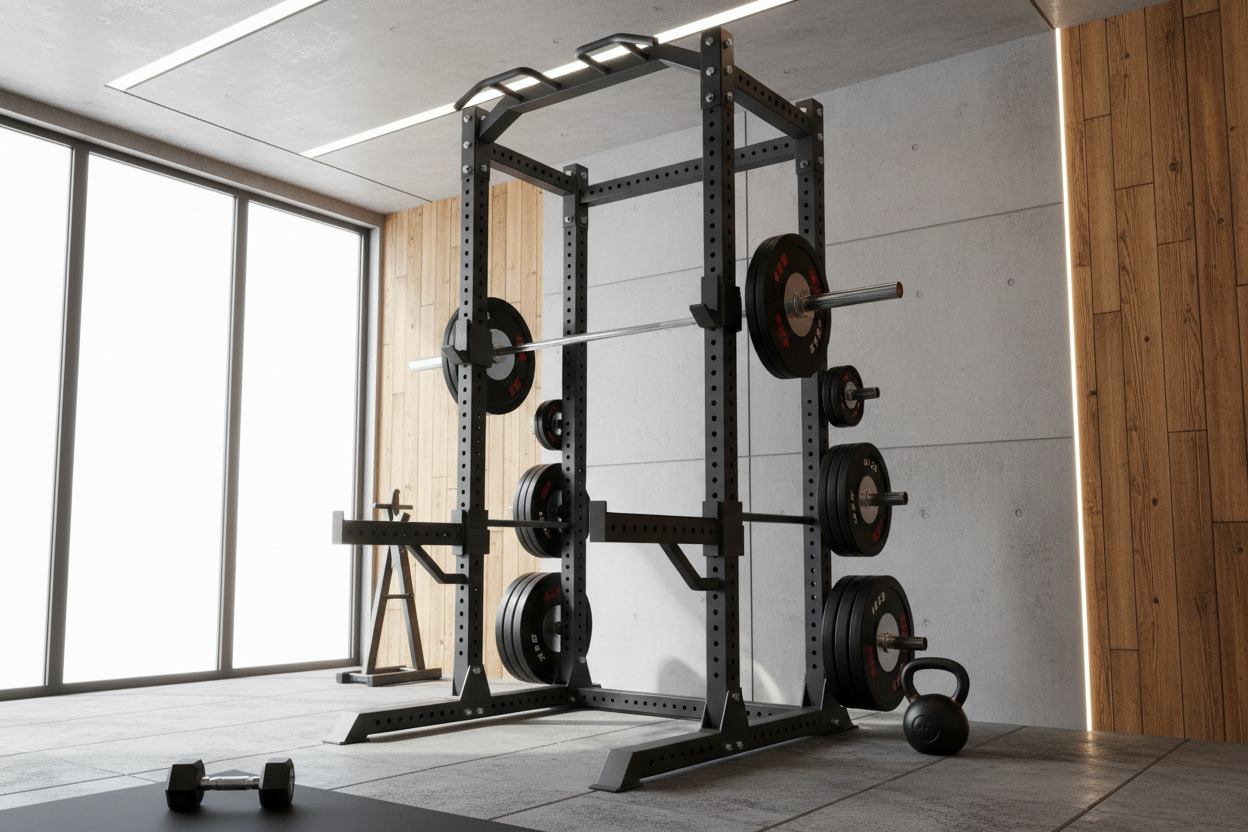
For the first few years of my training life, I was terrified of heavy weights. I stuck to kickbacks with ankle weights and endless lunges with 5-pound dumbbells. I thought I was working hard because I was sweating, but my physique wasn't changing. I had strong legs, but my glutes were practically non-existent. It wasn't until a mentor dragged me to the squat rack and taught me how to hip thrust with a barbell that things clicked. The first time I loaded up 135 pounds and focused purely on the hip hinge, I felt a contraction I had never experienced before. That was the turning point. I realized that a killer booty workout isn't about doing fifty different fancy exercises; it's about getting brutally strong at three or four fundamental movements.
The Anatomy of the Glutes
To train effectively, you have to understand what you are working with. Your backside is made up of three main muscles: the gluteus maximus, medius, and minimus. The maximus is the big powerhouse responsible for the shape and size. It works best with hip extension movements like thrusts and deadlifts. The medius and minimus are located on the side and upper part of the hip; they stabilize the pelvis and help with abduction (moving the leg away from the body). Neglecting these smaller muscles is why many lifters end up with hip pain or "shelf" imbalances. A well-rounded routine hits all three heads from different vectors.
The Top Killer Glute Exercises You Need
If you have limited time and want maximum return on investment, you need to prioritize movements that allow for heavy loading. These are the non-negotiables.
1. The Barbell Hip Thrust
This is the undisputed king of glute development. Unlike squats, which recruit a lot of quad muscle, the hip thrust places the load directly on the hips at peak contraction. Set up a bench so it sits just below your shoulder blades. Roll a barbell over your hips (use a pad to protect your pelvic bone), tuck your chin to your chest, and drive your heels into the ground to lift the weight. The key here is to keep your ribs down; arching your lower back takes the tension off the glutes and puts it on your spine. Squeeze hard at the top for a full second.
2. Romanian Deadlifts (RDLs)
While the hip thrust works the muscle in the shortened position, the RDL destroys it in the lengthened position. This stretch is vital for hypertrophy. Hold a barbell or heavy dumbbells and stand with feet hip-width apart. Keep a slight bend in your knees, but do not turn this into a squat. Push your hips back as if you are trying to close a car door with your butt. Lower the weight only as far as your hamstrings allow while keeping a flat back. The magic happens on the way down, so control the tempo.
3. Bulgarian Split Squats
Everyone hates these, but they are essential killer glute exercises for fixing imbalances. By training one leg at a time, you ensure your dominant side isn't doing all the work. Place one foot on a bench behind you and step the other foot out. When you drop down, lean your torso forward slightly. An upright torso targets the quads, while a forward lean shifts the leverage to the glute of the working leg. Drive through the front heel to stand back up.
Structuring Your Routine
Randomly selecting exercises won't get you far. You need a plan. A solid session should start with your heaviest compound movement, usually the hip thrust or a squat variation, while your nervous system is fresh. Follow this with your lengthening movement like the RDL. Finish with high-repetition metabolic work, such as 45-degree hyperextensions or banded lateral walks, to fully fatigue the muscle fibers.
Aim to train this muscle group 2 to 3 times a week. Recovery is just as important as the lifting itself. If you are hitting it hard every single day, you aren't giving the tissue time to repair and grow thicker. Eat enough protein to support that repair process. You cannot build a brick house without bricks.
The Mind-Muscle Connection
You can do the best killer glute workout in the world, but if you are just flinging weight around, you are wasting your time. Active engagement is critical. Before you start your working sets, do a few activation drills. Clamshells or glute bridges without weight can help "wake up" the nerves in the area, especially if you sit at a desk all day. During your heavy sets, visualize the specific muscle fibers contracting. If you feel the burn in your lower back, stop immediately. Reset your form, lower the weight, and engage your core.
Common Pitfalls to Avoid
One massive mistake is obsessing over the "pump." A pump is just blood rushing to the muscle; it is temporary and doesn't necessarily indicate long-term growth. Do not sacrifice range of motion just to get a burn. Another error is neglecting progressive overload. If you are using the same 20-pound dumbbell for goblet squats that you used six months ago, your body has no reason to change. You must force adaptation by adding weight, reps, or slowing down the tempo.
Cardio is another trap. While heart health is vital, excessive long-distance running can be counterproductive to muscle building because it burns a tremendous amount of calories that your body could use for repair. If your goal is strictly hypertrophy, prioritize the weights and use cardio as a supplementary tool, not the main event.
Making It a Lifestyle
Building a physique takes patience. You might not see changes in week one or even week four. But if you stick to the heavy compounds, eat properly, and rest, the results are inevitable. Consistency beats intensity every time. Stop looking for the magic pill or the "secret" 10-minute routine. The secret is showing up, lifting heavy, and doing the boring basics violently well.
Frequently Asked Questions
How often should I train my glutes for maximum growth?
Most people see the best results training glutes 2 to 3 times per week. This frequency allows you to hit the muscles with high intensity while providing at least 48 hours of rest between sessions for recovery and growth.
Can I build glutes at home without heavy weights?
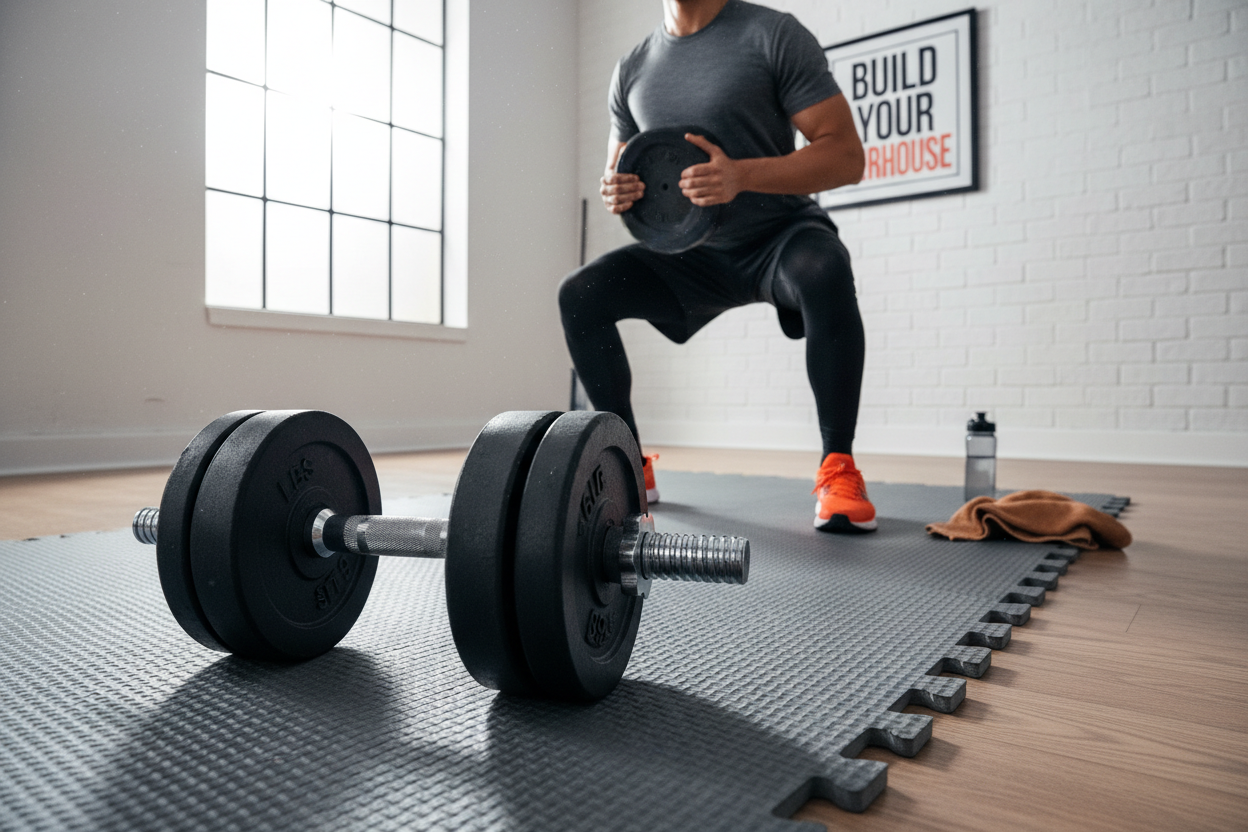
Yes, but it is more challenging. To compensate for the lack of heavy external load, you must utilize single-leg variations, increase the repetition count significantly, and focus on time under tension to create enough metabolic stress for muscle building.
Why do I feel my quads taking over during glute exercises?
This usually happens due to being "quad-dominant" or having improper form. To fix this, focus on driving through your heels rather than your toes, widen your stance slightly, and ensure you are hinging at the hips rather than just bending at the knees.