Stop Using the Inner Thigh Adductor Machine Like This (Fix It Now)
Walk into any commercial gym, and you will see a piece of equipment that is simultaneously popular and widely misunderstood. The inner thigh adductor machine often gets relegated to the end of a workout as a "finisher" or used exclusively by those chasing the myth of spot reduction. But if you treat this machine as a casual accessory, you are missing out on serious hip stability and squat strength gains.
Key Takeaways: The Cheat Sheet
- Function over Fluff: This machine targets the adductor magnus, longus, and brevis—muscles critical for pelvic stability, not just aesthetics.
- No Spot Reduction: It builds muscle density in the inner thigh but does not burn fat specifically in that area.
- Control is King: Using momentum creates shearing force on the groin. Slow down the eccentric (opening) phase.
- The Name Game: Often confused with abduction (outer thigh). Remember: Adduction adds to the midline; Abduction takes away.
The Anatomy of the Movement
Before you sit down, you need to understand what you are actually moving. The adductor group is massive. In fact, the adductor magnus is technically a hamstring muscle in terms of its torque production during hip extension.
When you use an adductor inner thigh machine, you aren't just squeezing your legs together. You are training the muscles that prevent your knees from caving out too far during a heavy squat and that help stabilize your pelvis during running. Neglecting these leads to imbalances that often manifest as knee pain or lower back tightness.
Stop Confusing Abduction and Adduction
There is significant confusion regarding terminology in the gym. I often hear clients ask for the "hip abductor machine inner thighs" workout. Here is the simple rule to never mess this up again:
- Abduction (Abductor Machine): Moves legs apart. Targets the glutes and outer hips.
- Adduction (Adductor Machine): Moves legs together. Targets the inner thigh.
If you search for an "inner abductor machine" or "inner thigh abduction machine," you are technically mixing two opposing anatomical terms. We are focusing strictly on bringing the weight toward your center line.
How to Execute the Movement Correctly
1. The Setup
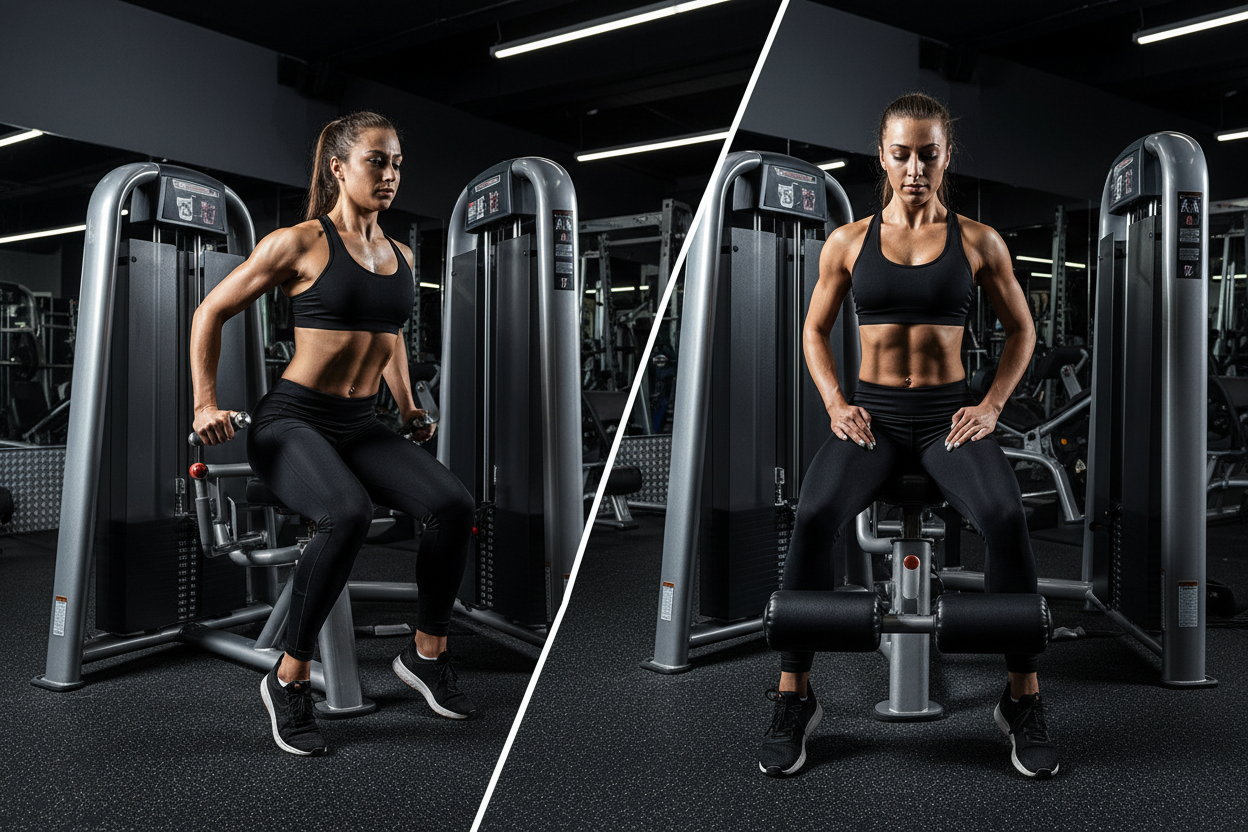
Sit with your back firmly against the pad. If the machine allows, adjust the backrest so your knees are slightly bent, not locked out. Set the width of the pads so you feel a slight stretch in the groin, but not pain. If you have to use your hands to manually crank the pads in to start the rep, you might be starting too wide.
2. The Squeeze (Concentric)
Drive your legs together using the adduction inner thigh machine pads. Do not jerk the weight. The goal is to touch the pads together (or get as close as the machine allows) and hold for a distinct one-second pause. That pause is where the growth happens.
3. The Release (Eccentric)
This is where 90% of people fail. Do not let the weight stack slam down. Resist the weight as your legs open. Take three full seconds to return to the starting position. If you control the negative, you recruit more muscle fibers and reduce the risk of a groin strain.
Common Mistakes That Kill Progress
The "Ego" Squeeze
Loading the whole stack on the hip abduction machine for inner thighs (again, a misnomer, but you know the one) and swinging your upper body to generate momentum is useless. If your butt lifts off the seat, the weight is too heavy. Keep your hips glued down.
The "Phone Scroller"
This machine is not a lounge chair. Because you are seated, it is easy to disengage mentally. If you are texting while rep, you aren't creating enough tension to stimulate the adductor magnus.
My Personal Experience with Inner Thigh Adductor Machine
I have a love-hate relationship with this piece of kit. I used to skip it entirely, thinking squats were enough. Then I hit a plateau on my squat where my knees felt shaky coming out of the hole.
I decided to add this machine twice a week. The first thing I noticed wasn't aesthetic—it was the specific, nagging soreness right at the attachment point near the pubic bone. It feels different than a hamstring soreness; it’s a deep, dull ache that makes getting out of a low car seat incredibly awkward.
Another reality check? The awkward eye contact. Most of these machines in commercial gyms are positioned facing the dumbbell rack or a mirror. I learned quickly to pull my hat down low and focus purely on the tempo. But the payoff was real: within six weeks, my squat felt like I was moving on hydraulic pistons. The wobble was gone.
Conclusion
The inner thigh adductor machine is a powerhouse for pelvic stability and lower body strength. Stop viewing it as a cosmetic tool and start treating it as a primary accessory lift. Control the tempo, drop the ego, and prepare for a stronger squat.
Frequently Asked Questions
Can the inner thigh adductor machine burn leg fat?
No. Spot reduction is a myth. While this machine strengthens and builds the muscle underneath the fat, giving a firmer appearance, it does not burn fat stores directly from the inner thigh area. Caloric deficit dictates fat loss.
How often should I use the adductor machine?
Since the adductors are used in squats and lunges, they can be easily overworked. Aim for 2 times per week, performing 3 sets of 12–15 reps with controlled tempo.
Is it better to do adduction or abduction first?
It generally doesn't matter, but many lifters prefer doing the hip abductor machine inner thighs counterpart (the outer thigh machine) first to warm up the hips before hitting the more sensitive adductor muscles.