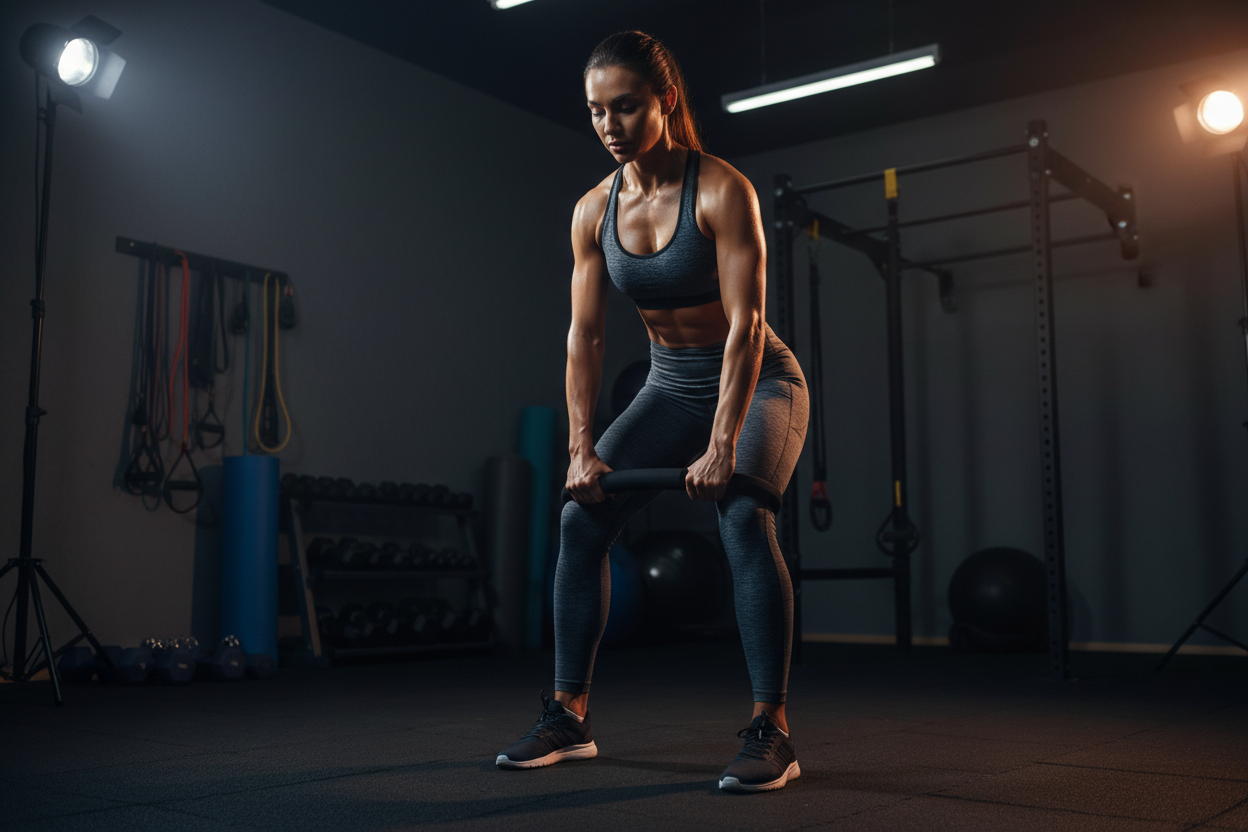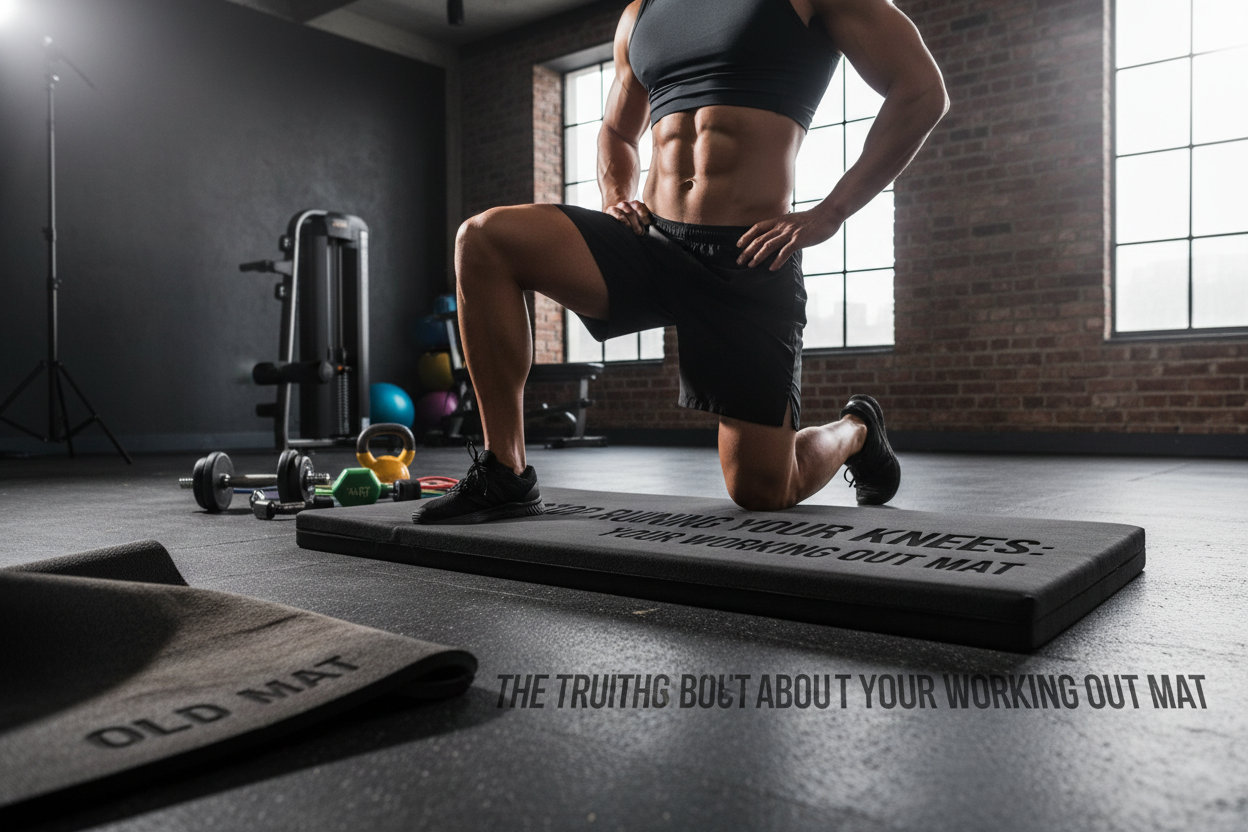
Stop Ruining Your Knees: The Truth About Your Working Out Mat
You might think a mat is just a mat. A strip of foam to keep the sweat off the floor, right? Wrong. If you have ever slipped mid-plank or felt your tailbone grind against the hardwood during crunches, you know exactly what I mean. The equipment you choose as your foundation is just as critical as the weights you lift.
Choosing the correct working out mat is the difference between a productive session and a nagging injury. Whether you are setting up a garage gym or just need a corner in the living room, the surface under your feet dictates your stability, comfort, and safety.
Quick Summary: Choosing the Right Mat
- For HIIT & Cardio: You need a high-density "workout exercise mat" (usually rubber or heavy-duty PVC) that won't bunch up under shoes.
- For Heavy Lifting: Go for thin, dense mats or horse stall mats. Squishy foam kills stability.
- For Floor Work & Pilates: A thicker "exercise pad" (1/2 inch or more) protects joints but isn't suitable for standing balance moves.
- Material Matters: Open-cell foam absorbs sweat (smells bad over time); closed-cell repels moisture (easier to clean).
Why Your Yoga Mat Fail for Gym Workouts
Here is the most common mistake I see: using a sticky, thin yoga mat for high-intensity training. Yoga mats are designed for barefoot grip and static holds. They are not built for the shear force of sneakers driving into them during mountain climbers.
A proper gym workout mat is denser. It is built to withstand friction. If you use a standard yoga mat for plyometrics, you will notice it stretching or tearing within weeks. Furthermore, the lack of cushioning in standard yoga gear offers zero impact absorption for your joints during jumping movements.
The "Squish" Factor
When shopping for a home fitness mat, beginners often look for the thickest, softest option available. This feels great when you are lying down, but it is a disaster for standing exercises. Imagine trying to squat on a marshmallow. Your ankles have to work overtime to stabilize, which leaks power and increases injury risk.
For general fitness, look for a balance: enough give to cushion your spine, but firm enough that you don't sink.
Selecting the Best Exercise Mat for Home
Your home exercise mat has different requirements than the commercial gear at your local gym. It likely needs to be stored away, easy to clean, and aesthetically neutral.
Size and Space
If you have a dedicated room, large interlocking home gym exercise mats (puzzle mats) are fantastic. They cover a wide area and protect your flooring from dropped dumbbells. However, if you are training in the living room, a standalone workout mat for home needs to roll up tight. Look for mats with grommets if you plan to hang them, or strapping systems if you toss them in a closet.
Durability vs. Price
We all love a bargain, but workout mats cheap out on materials. Inexpensive foam mats tend to flake. You will find tiny pieces of foam stuck to your sweaty skin or embedded in your carpet. Investing in a high-quality rubber or TPE (Thermoplastic Elastomer) mat exercise surface costs more upfront but lasts years longer than the budget bin options.
My Training Log: Real Talk
I want to share a specific moment that changed how I view floor gear. Years ago, I bought a generic, half-inch thick foam mat from a big-box store. It looked comfortable.
I was about ten minutes into a session doing lateral skaters—where you jump side-to-side. On the third rep, my sneaker gripped the foam, but the mat didn't grip the floor. The entire mat slid out from under me like a cartoon banana peel. I didn't get hurt bad, just a bruised ego and a tweaked hip, but the frustration was real.
But the worst part wasn't the slip; it was the "memory foam" effect. During pushups, my hands would sink so deep into the mat that my wrists were bent at an unnatural angle, causing shooting pain. I realized then that "soft" is the enemy of "stable." Now, I strictly use a heavy, dense rubber mat that smells faintly of tires—it's not luxurious, but it never moves an inch, even when I'm dripping sweat.
Conclusion
Don't treat your mat for exercise at home as an afterthought. It is the literal foundation of your fitness routine. If you are lifting, go dense and thin. If you are jumping, go dense and shock-absorbent. Avoid the super-cheap foam unless you enjoy vacuuming up blue crumbs every week. Secure your footing, and the gains will follow.
Frequently Asked Questions
Can I wear shoes on a regular exercise mat?
It depends on the material. A standard yoga mat will tear if you wear shoes. You need a workout exercise mat specifically designed for cross-training, usually made of high-density PVC or rubber, to withstand the friction of sneaker treads.
What is the difference between a yoga mat and a workout mat?
Yoga mats are generally thinner (for balance) and stickier (for grip). A gym workout mat or exercise pad is thicker and denser to provide cushioning for impact and bodyweight exercises, but with a texture that allows for movement rather than static grip.
How do I clean my home fitness mat?
For closed-cell mats (most rubber and PVC), a mixture of water and a few drops of mild dish soap works best. Wipe it down and let it air dry completely before rolling it up. Avoid leaving it in direct sunlight, as UV rays can make the material brittle and prone to cracking.