Stop Ruining Your Floors: The Ultimate Guide to the Right Exercises Mat
Most people spend hundreds on dumbbells, kettlebells, and cardio machines, yet completely ignore the foundation of their training space. You might think a towel or a carpet is enough, but training on the wrong surface is a fast track to joint pain and damaged flooring. Whether you are setting up a garage gym or pushing aside the coffee table in your living room, the right exercises mat is not a luxury—it is a piece of safety equipment.
Quick Summary: Choosing the Right Mat
- Density over thickness: A squishy mat destabilizes heavy lifts. Look for high-density materials for weight training.
- Texture dictates grip: Open-cell mats absorb sweat (good for yoga), while closed-cell mats repel moisture (better for hygiene and gym use).
- Size matters: A standard yoga mat is too small for HIIT. Look for a large exercise mat for home gym setups to allow lateral movement.
- Floor protection: Heavy equipment requires extra thick gym mats to prevent concrete or hardwood damage.
Why Your Home Gym Needs a Dedicated Surface
Many beginners assume a mat for workouts is just about comfort. While cushioning is part of it, the primary function is traction and feedback. When you are doing plyometrics or heavy lifting, you need a surface that absorbs impact without shifting under your feet.
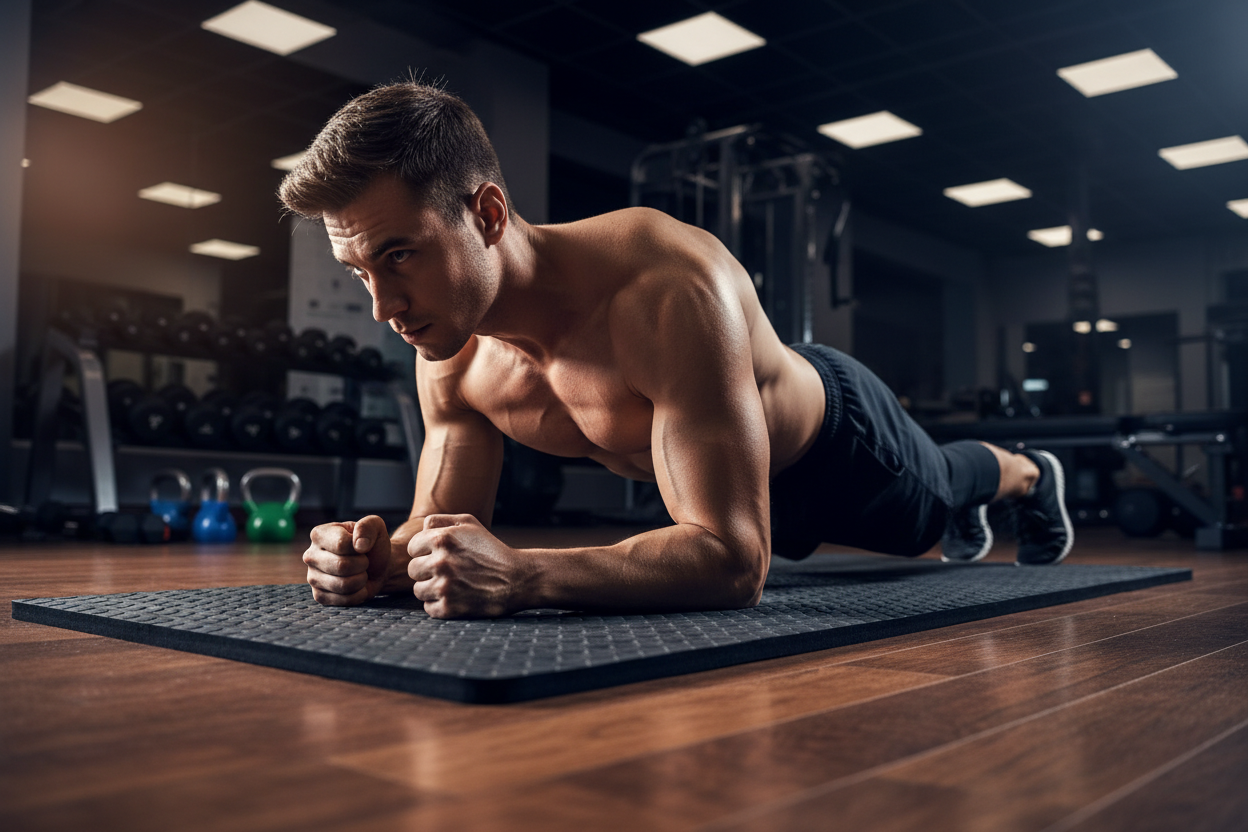
Using a dedicated workout fitness mat creates a psychological boundary. It separates your living space from your training space. Furthermore, a proper gym mat for home use protects your subfloor from the shock of dropped weights and the friction of repetitive movement.
Matching the Mat to the Movement
Not all mats are created equal. The yoga mat for working out is a common misconception. Standard yoga mats are designed for barefoot, low-impact static holds. If you wear shoes on them, they will shred.
For HIIT and Cardio
If your routine involves burpees or jumping jacks, you need a cardio workout mat. These are generally larger and more durable than yoga mats. You want a high density workout mat that doesn't bunch up when you change directions quickly. A large exercise mat for home gym use (often 6x4 feet or larger) ensures you don't jump off the edge and twist an ankle.
For Heavy Lifting
Lifting weights on a soft, plush surface is dangerous. It kills your power transfer. For a home gym exercise mat used for deadlifts or squats, you want firmness. Hard rubber training mats gym owners use (often called horse stall mats) are the gold standard here. They provide stability and protect the floor, but they offer very little cushion.
Material and Durability: What to Look For
When searching for a workout mat at home, pay attention to the material composition. PVC is durable but can be slippery when wet. TPE (Thermoplastic Elastomer) is eco-friendly and offers good elasticity. Natural rubber offers the best grip but can degrade in direct sunlight.
If you need a portable gym mat that you can tuck away, a roll-up PVC or TPE mat is ideal. However, for a permanent setup, interlocking fitness pads or a heavy rubber roll are superior options.
The Truth About Pricing
When you look up the exercise mat price, you will see a massive range. You can find fitness mats cheap at discount stores, but they often lack density. They tend to flake apart after a few weeks of burpees.
Conversely, the price of exercise mat options from premium brands can exceed $100. Is it worth it? Generally, yes, if you train daily. A higher fitness mat price usually correlates with closed-cell technology that prevents sweat from soaking into the foam, which stops bacteria buildup and funky smells.
Note on terminology: Sometimes you will see listings for exercise mattress price. Be careful here—this usually refers to thick folding mats for gymnastics or tumbling, not standard fitness flooring.
My Personal Experience with exercises mat
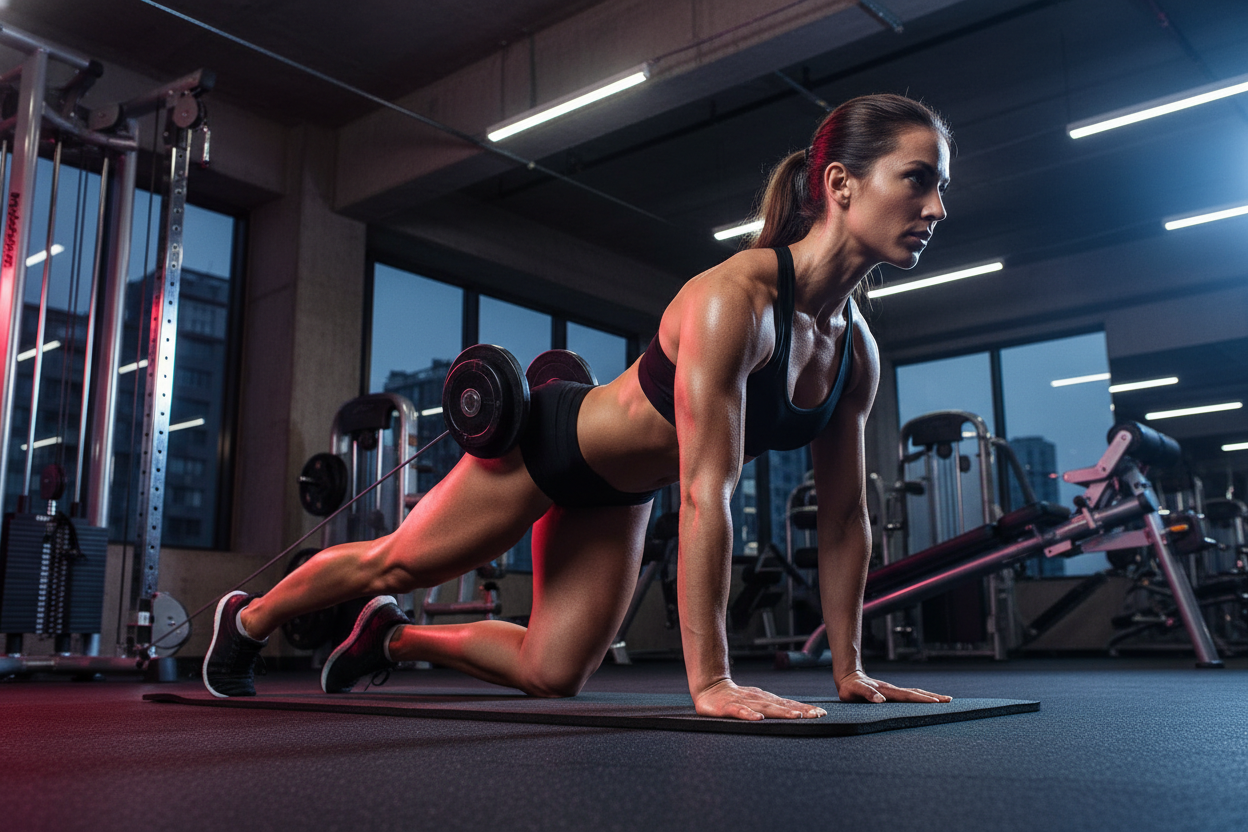
I learned the hard way that "all mats are the same" is a lie. Years ago, I bought a generic, squishy foam mat for my garage setups because it was cheap. During a heavy set of mountain climbers, the material actually stretched underneath my toes.
It didn't tear immediately; it just elongated like bubblegum. My foot slipped backward because the mat gave way, and I slammed my knee straight into the concrete floor. That wobble—the feeling of the ground shifting beneath you—is terrifying when you are moving fast. Since then, I only use high-density rubber mats. They smell a bit like a tire shop for the first two weeks, but that specific industrial scent is the smell of stability. I'd rather deal with the off-gassing than a swollen knee.
Conclusion
Building a home workout mat setup doesn't require a renovation, but it does require the right gear. Whether you need gym stretch mats for recovery or extra thick gym mats for dropping weights, prioritize density and grip over softness. Your joints and your landlord will thank you.
Frequently Asked Questions
Can I use a yoga mat for HIIT workouts?
Generally, no. Yoga mats are often too thin and delicate for shoes and high-impact movement. They tend to shred under the friction of sneakers. You should look for a designated cardio workout mat or a high-density equipment mat instead.
How thick should a home gym workout mat be?
For general calisthenics and sit-ups, 6mm to 10mm is ideal. For heavy weightlifting, thinner and denser (around 8mm rubber) is better for stability. If you are doing tumbling or wrestling, you might want exercise cushion mat styles that are 1-2 inches thick.
What is the best way to clean a workout mat at home?
For closed-cell mats, a mixture of water and a few drops of mild dish soap works well. Avoid harsh chemicals that can break down the rubber. If you have fitness pads or puzzle mats, ensure moisture doesn't seep into the seams where mold can grow.