Stop Overthinking Weight Training for Muscular Strength
I remember staring at my monthly gym membership bill—nearly $200 for access to eucalyptus towels and a juice bar I never used—and realizing I was paying for everything except what I actually needed. I didn't need a sauna; I needed a rack that wouldn't shake when I re-racked three plates and a floor that could handle a dropped deadlift. If you're tired of scrolling through Instagram influencers doing 'optimal' glute kickbacks, it's time to get back to the grit of weight training for muscular strength.
- Focus on compound movements that use multiple joints.
- Keep your rep ranges low (1 to 5) to tax the nervous system.
- Rest longer than you think—3 to 5 minutes is the sweet spot.
- Prioritize gear that emphasizes stability and safety over flashy features.
The Difference Between Chasing a Pump and Building Real Power
Most people walk into a commercial gym and immediately start chasing 'the burn.' They do 12 to 15 reps of bicep curls and lateral raises until their skin feels tight. That’s hypertrophy training—it’s great for looking good in a t-shirt, but it’s not the same as building raw, unadulterated power. When people ask me what are muscular strength exercises, they’re usually surprised I don't list 20 different machines. Strength is a skill of the central nervous system.
Building strength requires moving heavy loads that force your brain to recruit more muscle fibers simultaneously. You aren't just trying to make the muscle bigger; you're trying to make the muscle more efficient at producing force. This means you have to get comfortable being uncomfortable. It means five reps that feel like a spiritual experience rather than fifteen reps that just make you sweat. If you aren't shaking a little bit by the end of your top set, you probably aren't training for strength.
Why You Don't Need 15 Different Variations of a Lift
One of the biggest mistakes I see in home gyms is 'program hopping' or adding too much 'junk volume.' You don't need a 'Chest Day' followed by a 'Tricep Day' and a 'Shoulder Day.' In fact, Why Your List of Muscular Strength Exercises Is Way Too Long if you find yourself spending two hours in the garage doing six different types of flyes. You only have so much recovery capacity; don't waste it on fluff.
Instead, think about types of muscular strength exercises in terms of basic human patterns: pushing, pulling, and squatting. If you cover those three bases with heavy resistance, you're winning. A simple routine focusing on one heavy push and one heavy pull per session will do more for your total than any 5-day bodybuilding split ever could. Complexity is usually just a mask for a lack of intensity. When the weight is heavy enough, you won't want to do fifteen variations—you'll be too spent from the first two.
My Shortlist of Lifts That Actually Move the Needle
So, what are some exercises for muscular strength that actually deserve a spot in your limited garage space? It comes down to the 'Big Four.' First, the low-bar back squat. It’s the king for a reason. Second, the deadlift—the purest measure of how much stuff you can pick up off the ground. Third, the overhead press, which builds a stable core and massive shoulders. Finally, the bench press.
These are the what are some muscular strength exercises that provide the highest return on investment. You can load them incrementally for years. Can You Really Get Big With Just 5 Exercises for Muscular Strength? Absolutely. When you're moving 405 on a squat, your body has no choice but to grow and harden. I've spent years testing different movements, and nothing beats the barbell for pure force production. You can't cheat a heavy barbell; it either moves or it stays on the floor.
How to Actually Progress Without Burning Out Your CNS
The secret to ways to improve muscular strength isn't some 'secret' Russian program; it’s linear progression and patience. You should be adding 2.5 to 5 pounds to the bar every week for as long as possible. The trap most lifters fall into is trying to max out every single session. If you redline your central nervous system (CNS) every Monday, you’ll be a wreck by Wednesday. You want to leave one or two reps 'in the tank' during your working sets.
Rest is your best friend. In a hypertrophy workout, you might rest 60 seconds to keep the heart rate up. In strength training, that’s a recipe for failure. You need your ATP stores to replenish so you can hit that next heavy set with 100% effort. I usually set a timer for 4 minutes between sets of heavy squats. It feels like a long time, but that's what it takes to keep the bar speed high and the form crisp. Recovery happens in the kitchen and the bed, not just the gym.
The Gear That Survives Heavy, Low-Rep Training
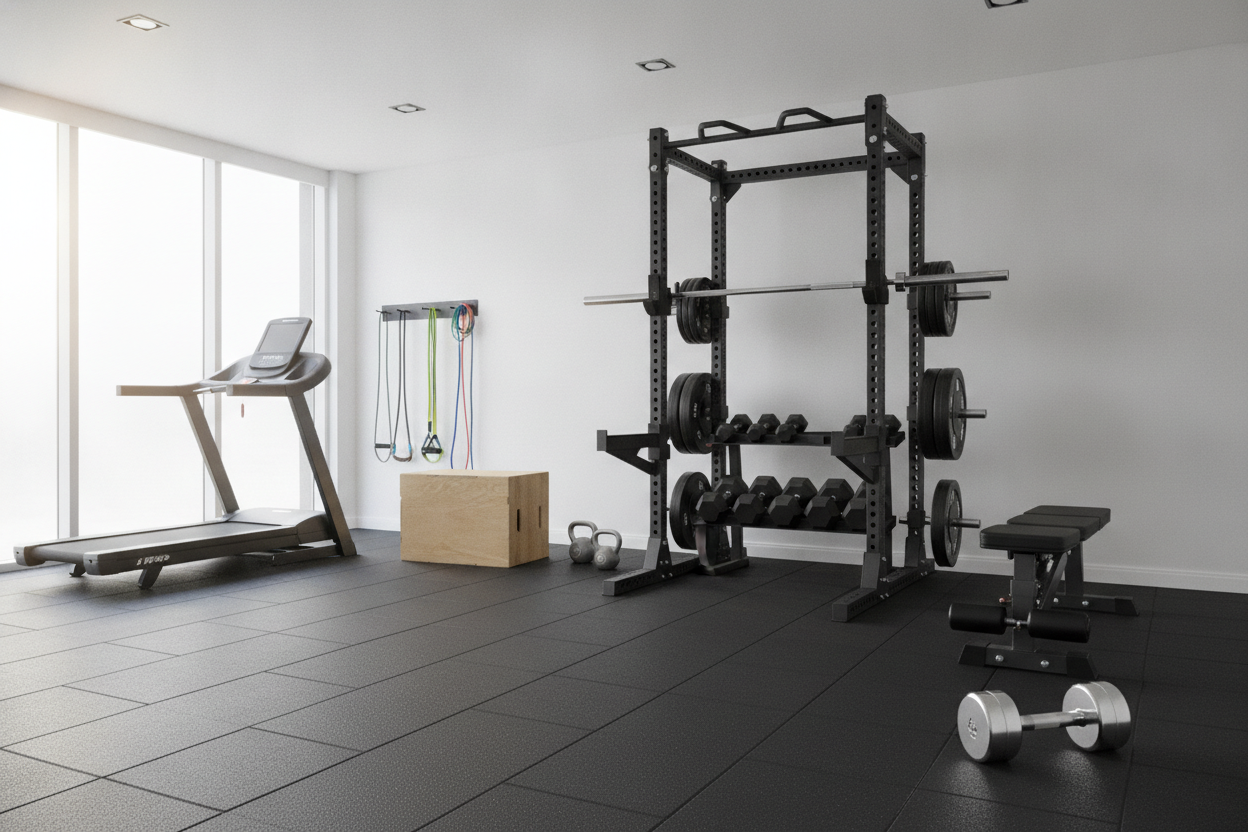
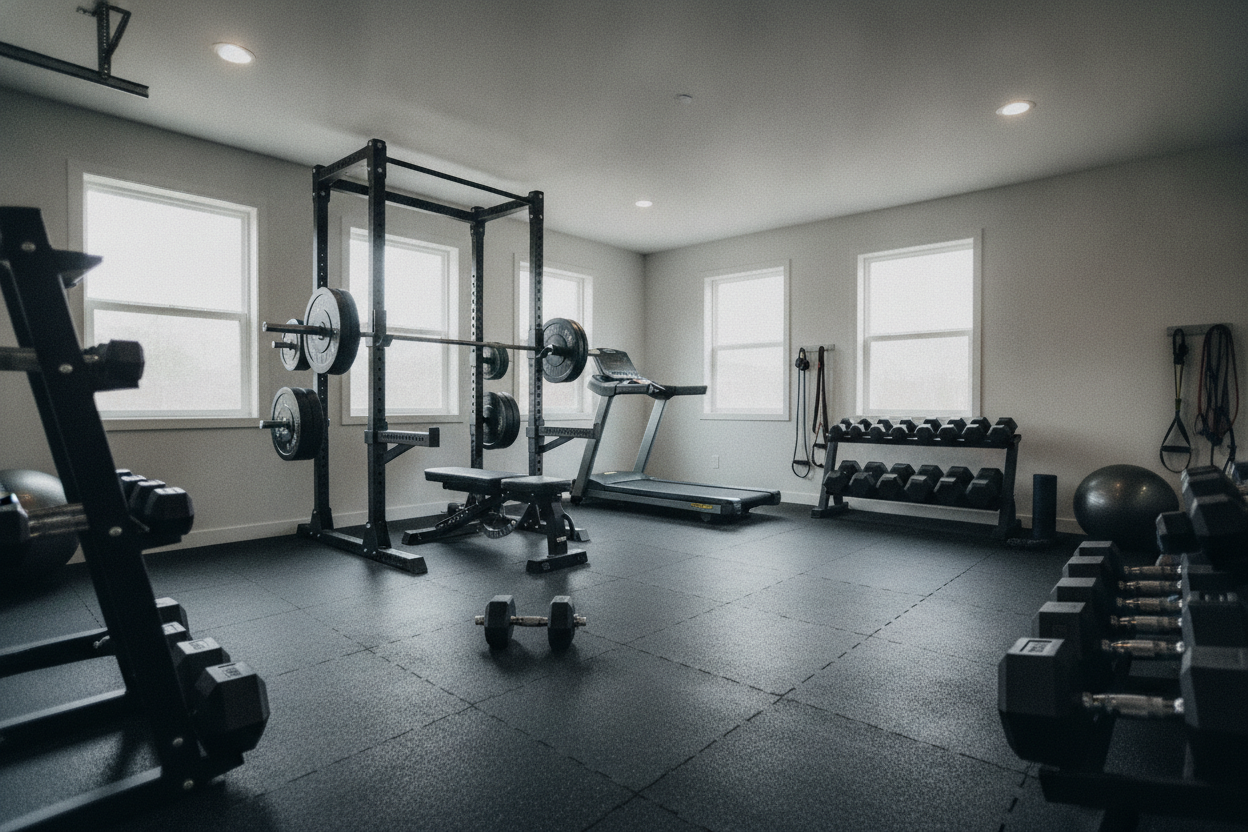
If you're going to be moving heavy iron, you need a setup that won't fail when you're under a 1-rep max attempt. I’ve seen cheap racks flex under 300 pounds, and it’s terrifying. You want a rack made of at least 11-gauge steel with 3x3 posts. Your bench is just as critical. I’ve used the Gxmmat Adjustable Weight Bench in setups where stability was the priority—you need a pad that doesn't slip and a frame that doesn't wobble when you're driving your traps into it during a heavy press.
Don't forget the small stuff that keeps you in the game. High-quality Strength Training Accessories like a 10mm lever belt or some decent chalk can be the difference between a PR and an injury. I once tried to max out my deadlift on a humid day without chalk; the bar slipped, I rounded my back to compensate, and I was out of commission for two weeks. Learn from my stupidity: buy the right gear before you need it. A good pair of wrist wraps and a solid belt are worth every penny when the weights get north of your body weight.
FAQ
How many days a week should I train for strength?
Three to four days is plenty. Because strength training is so taxing on your nervous system, you need those off-days for your tissues to actually repair. If you're hitting it hard, you'll find that you can't go five or six days without your lifts starting to regress.
Do I need to do cardio if I'm training for strength?
Yes, but don't go overboard. A baseline of cardiovascular health helps you recover between sets. Just avoid doing high-intensity interval training (HIIT) right before a heavy squat session, or your legs will be too fried to hit your numbers.
Should I use a belt for every set?
No. I save the belt for my 'work sets'—usually anything over 80% of my max. You want to learn how to brace your core naturally during your warm-ups. The belt is a tool to give your abs something to push against, not a crutch for a weak lower back.