Stop Overpaying for Iron: How to Build a Killer Home Gym on a Budget
Building a home gym is one of the best investments you can make for your health, but the initial sticker shock scares many people back to commercial gyms. You look online and see prices that rival a used car for a few pieces of metal. The truth is, gravity doesn't care how much you spent. A rusted plate weighs the same as a calibrated, color-coded one. If you are looking to buy barbell and weights without emptying your savings account, you have to know where to look and, more importantly, what to avoid.
I remember when I first decided to quit the commercial gym scene. I was a broke college student living in a rental with a dusty garage. I went to a big-box sporting goods store and picked up a generic bar set weight combo that looked like a steal. It was plastic, filled with cement, and the bar was barely an inch thick. Within three weeks of deadlifting, the bar had a permanent curve, and one of the plastic weights cracked, leaking sand all over my floor. That experience taught me a valuable lesson: buying cheap is fine, but buying junk is expensive. There is a massive difference between a bargain and a waste of money.
Understanding the "Standard" vs. "Olympic" Trap
Before you even open your wallet, you need to understand the diameter of the bar sleeves. This is where most beginners mess up. You will see a cheap barbell set advertised for under a hundred dollars, and it looks perfect. However, these are often "Standard" 1-inch bars. They are rated for very low weight capacities, often topping out at 200 pounds. Once you get stronger, you have to sell everything and start over because standard weights don't fit on professional bars.
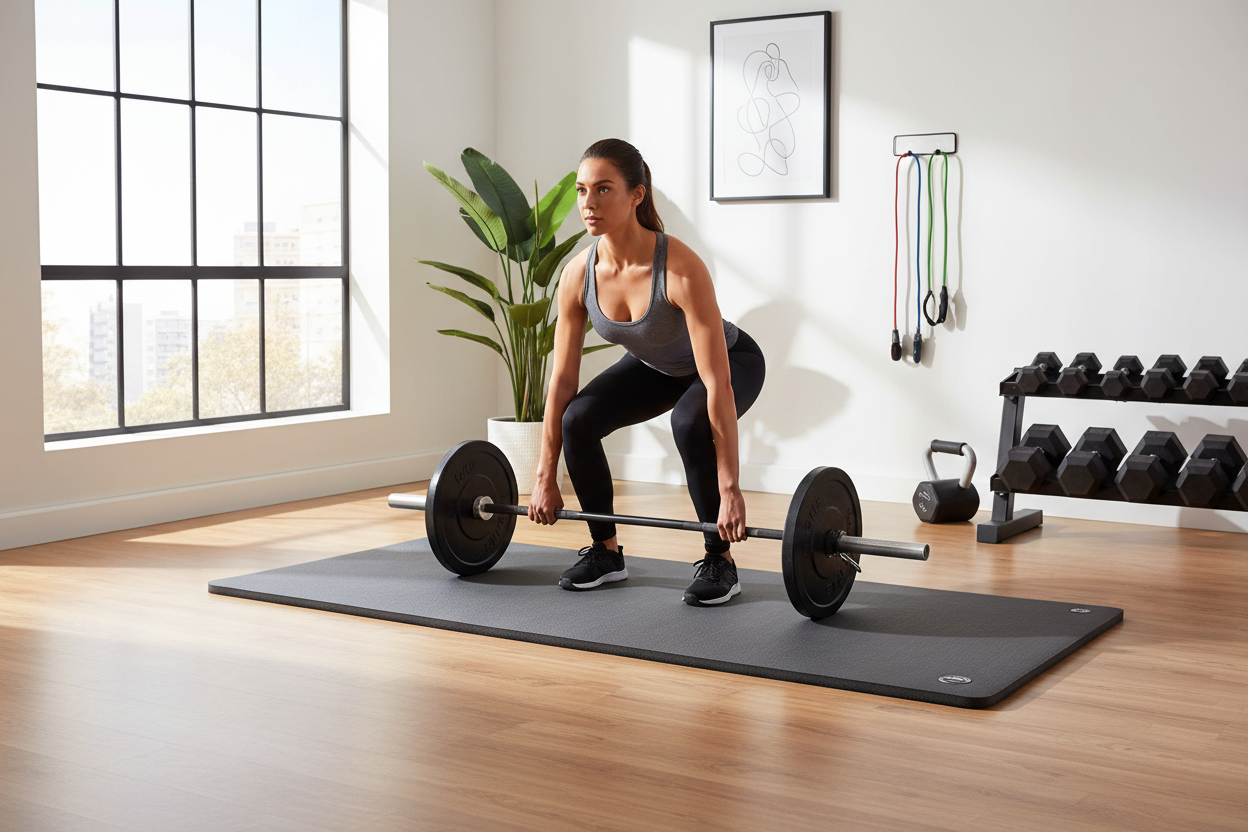
You want an Olympic barbell with weights set. These bars have 2-inch rotating sleeves. An Olympic bar allows the plates to spin freely, which saves your wrists and elbows from injury during lifts like the clean and jerk or even a heavy curl. While the upfront cost is slightly higher, an Olympic set is future-proof. You can load these bars to 700, 1000, or even 1500 pounds depending on the quality. If you are serious about training, skip the 1-inch gear entirely.
Hunting for Deals: The Used Market
The absolute best way to find a cheap barbell and weights is the secondary market. People buy fitness equipment with the best intentions in January and turn them into expensive clothes hangers by March. By summer, they just want the clutter gone. Check Facebook Marketplace, Craigslist, or local estate sales. Search terms matter here. Don't just search for "fitness gear." Try variations like "gym weights," "plates," or specific brand names.
When you find a cheap barbell with weights listed, inspect it personally. Rust on iron plates is completely fine; it’s cosmetic and can be cleaned with a wire brush and some vinegar. However, a bent bar is worthless. Roll the bar on a flat surface. If the sleeves wobble significantly, walk away. If the bar is straight but rusty, you can often negotiate a lower price and restore it yourself. This sweat equity is the secret to building a pro-level gym for pennies on the dollar.
The Anatomy of a Budget Barbell
If you prefer to buy new, you need to know what specs to look for in a weight bar and weights set. You don't need a $800 competition power bar, but you should look for a few key features. First, check the tensile strength. A decent bar should have at least 130,000 PSI tensile strength. Anything less is liable to bend permanently if you drop it loaded with heavy plates.
Look at the knurling—the rough crosshatch pattern on the metal. On a very cheap barbell set, the knurling is often too passive, feeling like a smooth pipe, which makes holding onto a heavy deadlift a nightmare. Conversely, some cheap bars have knurling so aggressive it shreds your hands. Read reviews specifically focusing on the "grip" or "finish" of the bar. Furthermore, check how the sleeves are attached. You want a bar with bushings (bronze or composite) or bearings. Avoid bars that use a simple bolt at the end of the sleeve, as these tend to loosen constantly during workouts.
Iron vs. Bumper Plates
When assembling your bar with weights set, you have two main choices for the plates: cast iron or rubber bumpers. Old-school cast iron is usually cheaper. It makes that satisfying clanking sound and lasts forever. However, if you plan on dropping the weight from overhead (like in CrossFit or Olympic lifting), or if you train on a nice floor, iron is a bad idea. It cracks concrete and destroys wood.
Bumper plates are made of solid rubber and are designed to be dropped. They are generally more expensive than iron. A great budget strategy is to buy a hybrid setup. Buy one pair of heavy bumper plates (like 45s) and use cheaper iron plates for the rest of the weight. The diameter of the bumper plates is usually slightly larger than the iron, meaning when you drop the bar, the rubber hits the ground first, protecting your floor and the iron plates.
Where to Find Affordable New Gear
If the used market in your area is dry, several manufacturers now cater specifically to the garage gym athlete. Brands like Titan Fitness, REP Fitness, and CAP Barbell offer entry-level equipment that is safe and reliable. When looking for barbell weights cheap online, shipping is the killer. Iron is heavy. Always look for vendors that offer free shipping on sets. A slightly higher product price with free shipping often beats a low sticker price with $150 in freight charges.
Be wary of "300lb sets" that include the bar in the weight calculation. Usually, this means you get a 45lb bar and 255lbs of plates. This is plenty for most beginners, but just be aware of the math. Also, check if the set includes spring collars. If not, add a pair of clamp collars to your cart. The cheap spring clips often slide off during heavy reps, which is a major safety hazard.
Maintenance Extends Lifespan
Once you secure your cheap barbell and weights, take care of them. A budget bar usually has a coating like black oxide or decorative chrome, which isn't as rust-resistant as stainless steel or cerakote. Brush the chalk out of the knurling after every session. Once a month, wipe the bar down with a light coat of 3-in-1 oil. This simple maintenance will keep a $150 bar performing well for a decade.
Building a home gym doesn't require a second mortgage. It requires patience and a bit of knowledge about what separates quality from junk. Whether you scour the internet for a used gem or buy a starter kit from a reputable budget brand, the most important step is simply getting the weight in your hands and starting the work.
Frequently Asked Questions
What is the difference between a standard and an Olympic barbell?
A standard barbell has 1-inch sleeves and is typically rated for lower weight capacities, making it suitable for light fitness but not heavy lifting. An Olympic barbell has 2-inch rotating sleeves, handles much heavier loads, and is the standard for powerlifting, bodybuilding, and CrossFit.
Can I mix different brands of weights on one bar?
Yes, as long as the hole diameter matches your bar (2 inches for Olympic). However, be aware that different brands might have slight variations in the outer diameter or thickness of the plates, which can make the lift feel slightly uneven if the weights aren't sitting flush on the floor.
How do I remove rust from used weights I bought cheap?
Soak the rusty weights in a solution of water and white vinegar for 24 hours, then scrub them with a wire brush to remove the loose rust. Rinse them thoroughly, dry them immediately to prevent flash rusting, and seal them with a spray paint designed for metal.