Stop Overcomplicating Things: The Best At Home Workouts Are Boring
I remember staring at my monthly gym bill and realizing I spent more time waiting for the power rack than actually using it. I bought a pair of adjustable dumbbells, cleared a small corner in the garage, and thought I was set. Then I fell into the trap of doing 500 burpees because I thought sweating meant winning. It didn't. Building the best at home workouts isn't about novelty; it's about doing the same boring movements with more intensity every single week.
Quick Takeaways
- Progression matters more than how much you sweat.
- The 'Core Four' framework (Push, Pull, Squat, Hinge) covers 95% of your needs.
- Floor protection is the most overlooked piece of equipment.
- Unilateral work (one leg/arm at a time) is your secret weapon for home gains.
Stop Confusing Exhaustion With Progression
The fitness industry loves to sell you 'muscle confusion.' It's a lie designed to keep you subscribed to apps that change your routine every day. If you're doing something different every time you train, you can't track progress. You're just getting tired, not getting stronger. Sweating buckets during a 20-minute burpee-fest doesn't mean you're building a physique; it just means you're doing cardio masquerading as lifting.
Instead of chasing variety, find the best home workout exercise for each muscle group and stick to it for six weeks. If you did 10 push-ups last Tuesday, do 11 today. That's how muscle grows. Stop treating your living room like a chaotic boot camp and start treating it like a laboratory where you test your limits on a few key movements.
The 'Core Four' Framework for Living Room Gains
You don't need a 12-station cable machine to get fit. The best exercises at home fit into four buckets: push, pull, squat, and hinge. If your routine hits these four, you're doing better than most people at the local commercial gym. The goal is to master these patterns and then make them harder using tempo, pause reps, or added weight.
The Push: Elevating the Humble Floor Press
If you don't have a bench, don't worry. The floor press is a legit alternative that actually protects your shoulders by limiting your range of motion. It allows you to go heavier with dumbbells without the risk of overextending. Combine this with deficit push-ups (using handles or even two sturdy books) to get a deep stretch in the chest. These remain among the top home exercises because they require zero footprint and deliver massive tension.
The Pull: Solving the Ultimate Home Gym Problem
Pulling is the hardest thing to do at home because gravity usually works against you. You can't just 'push' the floor to grow your back. I've found that a simple doorframe pull-up bar is the best $30 you'll ever spend. If your doorframes are sketchy, heavy-duty resistance bands anchored to a sturdy post are your next best bet. You need volume here—think rows and face-pulls—to counter the 'desk hunch' we all deal with.
The Squat and Hinge: Loading Your Legs Without a Rack
You probably don't have a 300-lb barbell in your kitchen, so you have to get creative. Unilateral work is the answer. Bulgarian split squats will make you question your life choices, but they are the best exercises to do at home for leg growth because they double the load on one leg. For those focusing on longevity, especially when looking for the best exercises for men over 50, these single-leg variations are much easier on the spine while still torching the quads and glutes.
Don't Ruin Your Joints (Or Your Hardwood Floors)
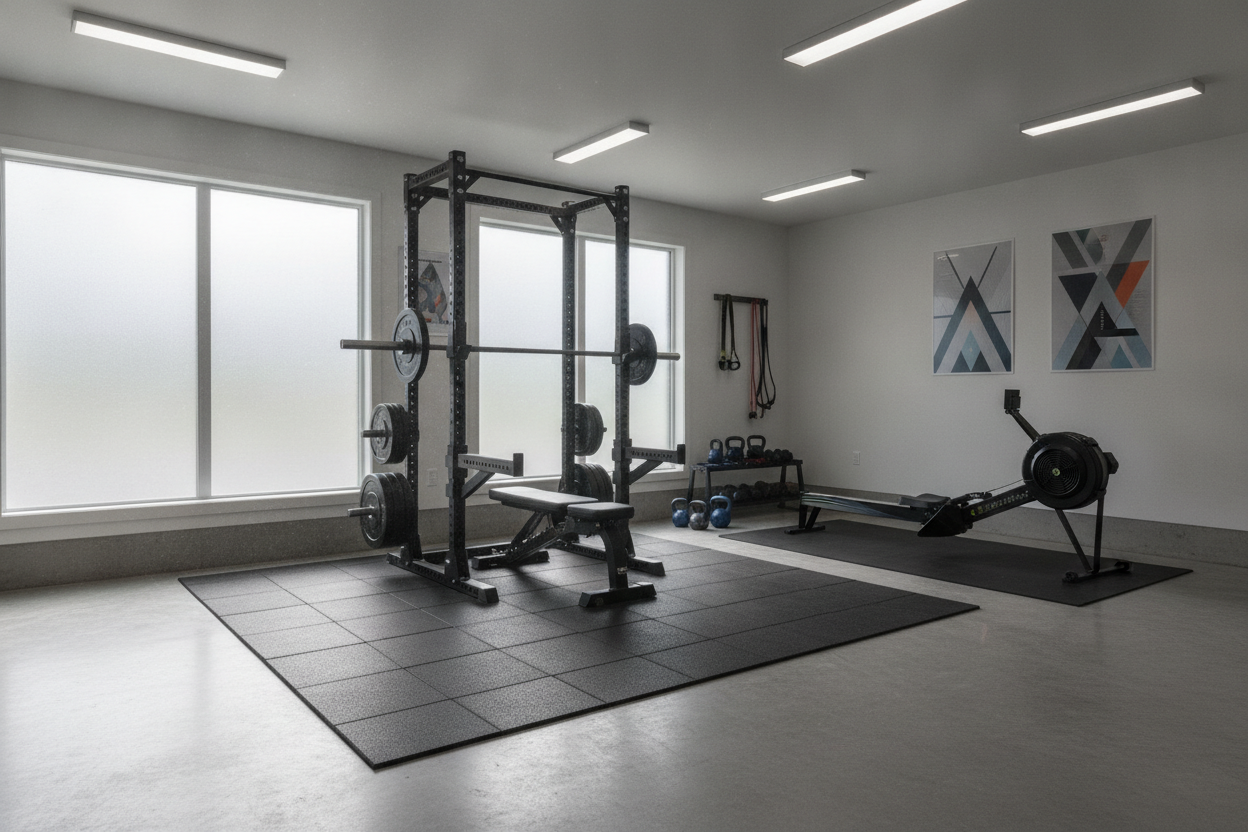
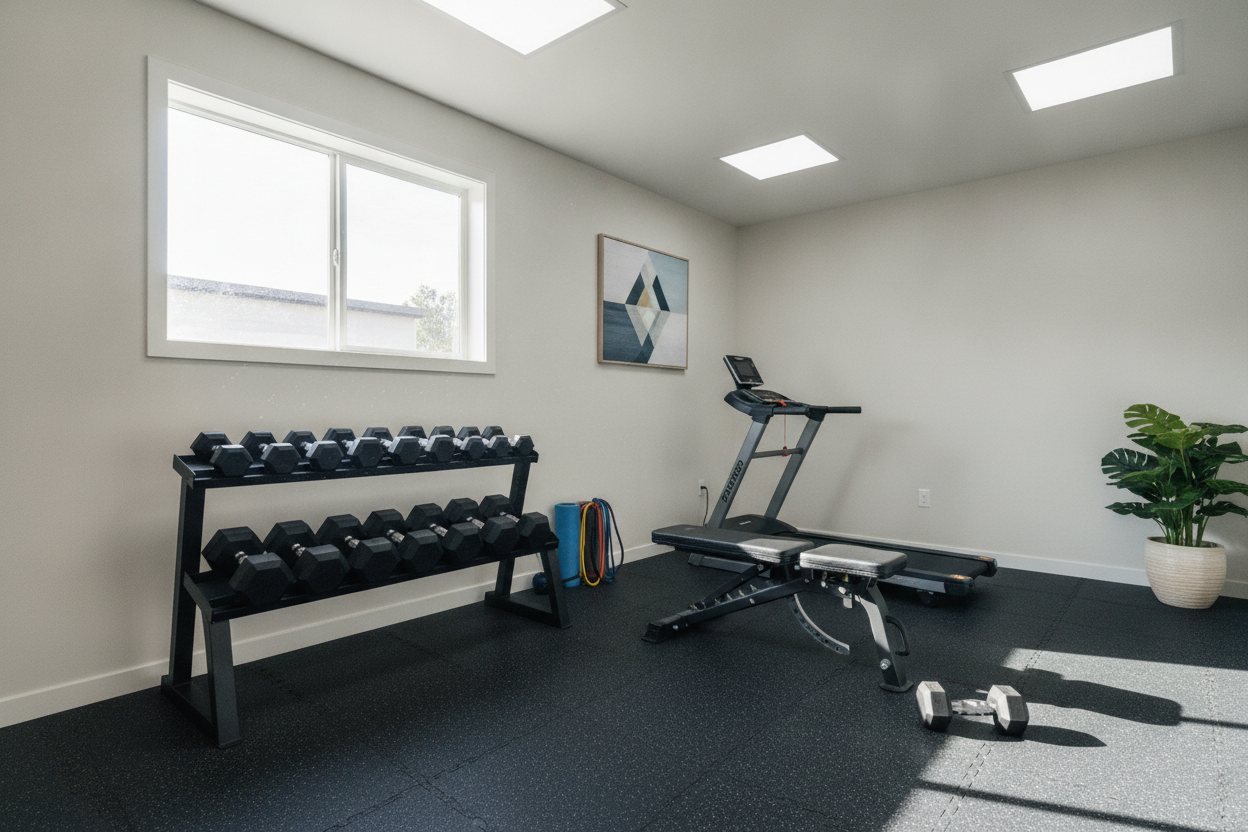
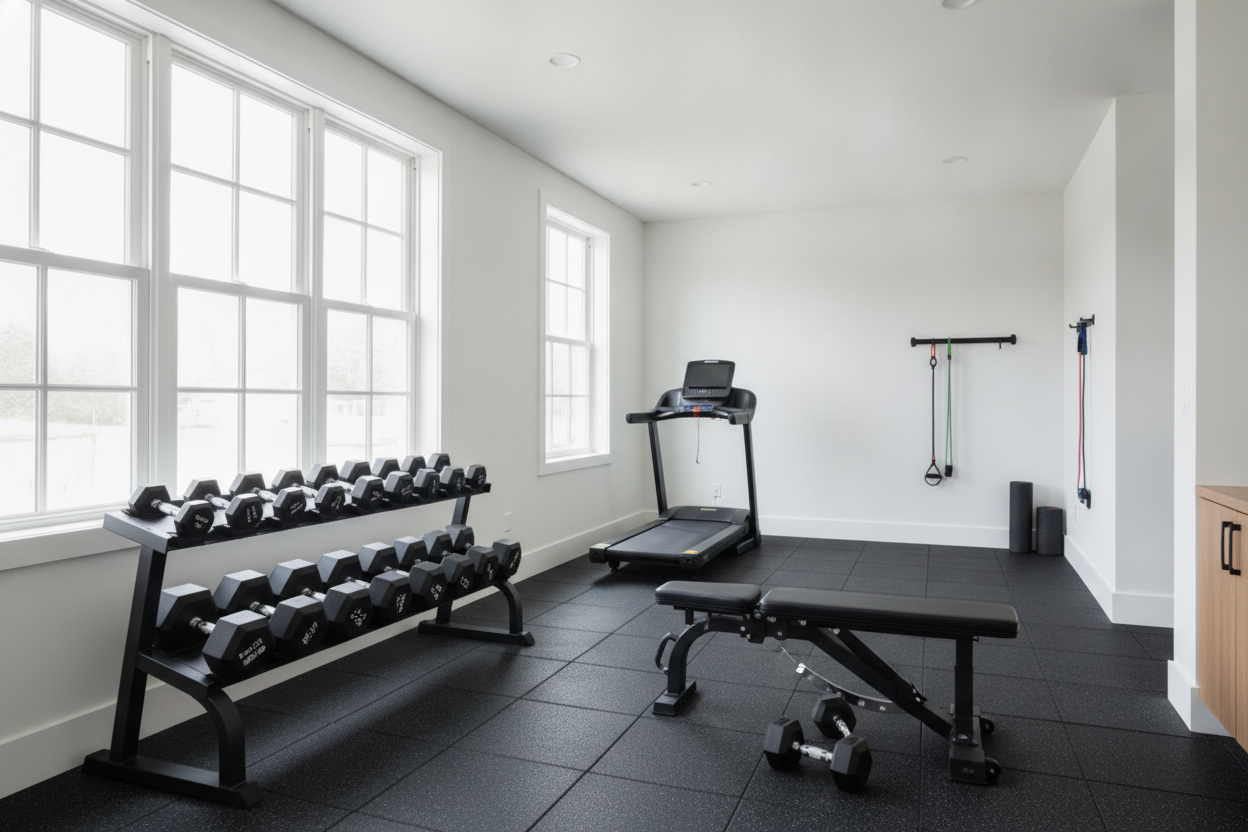
I learned the hard way that doing explosive lunges on a slippery rug is a recipe for a groin pull. Or worse, dropping a 40-lb dumbbell on bare hardwood and losing your security deposit. You need a dedicated 'work zone.' I always recommend a large 6x8ft exercise mat to act as your foundation. It dampens the noise so you don't annoy the neighbors and provides the grip you need for heavy movements.
Once you have a stable, cushioned surface, you can transition into groundwork. Having that dedicated space makes it easier to stay consistent with the best mat exercises for core strength, like dead bugs and planks, without feeling like you're grinding your elbows into the carpet. A good mat is the only 'furniture' your home gym truly needs.
Putting It Together: A Schedule You Will Actually Stick To
The best workout to do at home is the one you don't skip because it's too complicated. Aim for three days a week, full-body. Perform 3 sets of a push, a pull, a squat, and a hinge. Throw in some core work at the end, and you're done in 45 minutes. You don't need a pre-workout or a DJ; you just need a logbook and the discipline to do the same boring, effective movements until you see results.
Personal Experience: The 'Cheap Mat' Disaster
Years ago, I tried to save $40 by using a thin yoga mat for kettlebell swings. Halfway through a set, the mat slid on my laminate flooring. I didn't drop the weight, but I strained my hip trying to stabilize. It sidelined me for three weeks. Now, I don't care how good the workout is—if the floor isn't grippy and the equipment isn't stable, I'm not doing it. Don't let a $20 savings cost you a month of progress.
FAQ
Do I really need weights to see results?
Bodyweight works for a while, but eventually, you need resistance. Whether it's a set of adjustable dumbbells or heavy bands, you need a way to increase the load over time.
How do I stop my home workout from feeling like a chore?
Keep your gear ready to go. If you have to spend 15 minutes moving furniture and unboxing weights, you won't do it. Create a permanent 6x8 space if possible.
What is the single most important piece of home gym gear?
A high-quality, non-slip mat. It defines your training space and protects your body. Everything else—dumbbells, bars, bands—comes second to a safe surface.