Stop Lifting Like It's 1985: Real Exercise for Elderly Men
I remember the morning it clicked. I was at the local gym, trying to grind out a set of heavy barbell bench presses like I was still 22. My shoulders felt like they were full of crushed glass and my lower back was already tightening up. I looked around and saw other guys my age doing the exact same thing—chasing old PRs and paying for it with Ibuprofen. If you are looking for real exercise for elderly men, you have to stop trying to replicate your high school glory days.
Quick Takeaways
- Ditch the barbell bench press for the floor press to save your rotator cuffs.
- Prioritize 'carry' movements to maintain grip strength and core stability.
- Replace deep back squats with box squats to protect your knees while building power.
- Frequency beats intensity; three 40-minute sessions are better than one marathon workout.
Your High School Lifting Routine Is Failing You Now
Most old guy workout plans you see in magazines are just watered-down bodybuilding splits. They focus on isolation—chest on Monday, back on Tuesday—using movements that put your joints at a mechanical disadvantage. When you’re 70, your connective tissue isn't the same as it was at 17. Those heavy barbell reps are often just wearing down the cartilage you have left.
An older men workout needs to move away from the 'bro split.' You don't need a dedicated 'arm day.' You need movements that keep you mobile and capable. I’ve seen too many old guys working out with heavy overhead presses that their thoracic spine can't actually support, leading to chronic neck pain and impingement. It is time to pivot to movements that offer a high stimulus with a lower injury risk.
Why the Standard 'Old Guy Workout' Is an Insult
On the flip side, don't let some trainer put you in a chair with 2-lb dumbbells. That kind of fitness for older men is an insult. To fight off sarcopenia—the age-related loss of muscle—you need resistance. You need to move things that are heavy enough to make you grunt. The best workout for older men isn't about avoiding effort; it is about choosing where to apply that effort.
Exercise for senior men should still involve progressive overload. If you aren't challenging your bones and muscles, they will continue to weaken. Old man fitness isn't about maintenance; it is about active resistance against the aging process. You can still be the strongest guy in your neighborhood, but you have to be the smartest one in the gym first.
3 Movements Every Aging Guy Needs to Master
First, the Heavy Farmer’s Carry. Pick up a pair of dumbbells or kettlebells and walk. This is the ultimate workout for senior men because it builds grip strength—a huge predictor of longevity—and forces your core to stabilize under load. It’s functional, safe, and brutal in the best way.
Second, the Floor Press. By lying on the ground, the floor acts as a natural stop for your elbows, preventing the over-extension that wrecks shoulders. It’s a staple workout routine for older male lifters who still want a big chest without the surgery. Third, the Box Squat. Sitting back onto a bench or box ensures you keep your shins vertical, taking the shear force off your knees. You don't need a massive rack for this; just a few smart pieces of equipment for full body workout will let you hit every major muscle group safely.
Why Your Home Setup Matters More Than Your Max
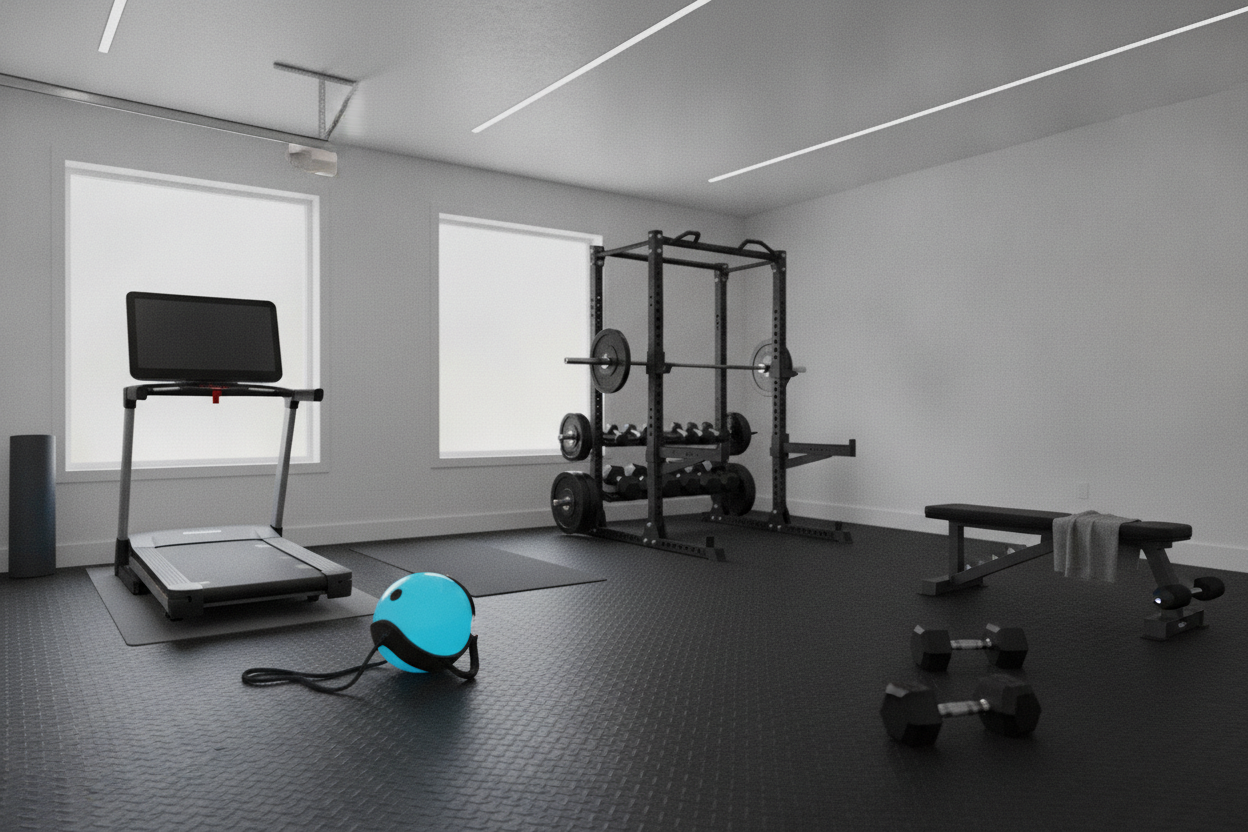
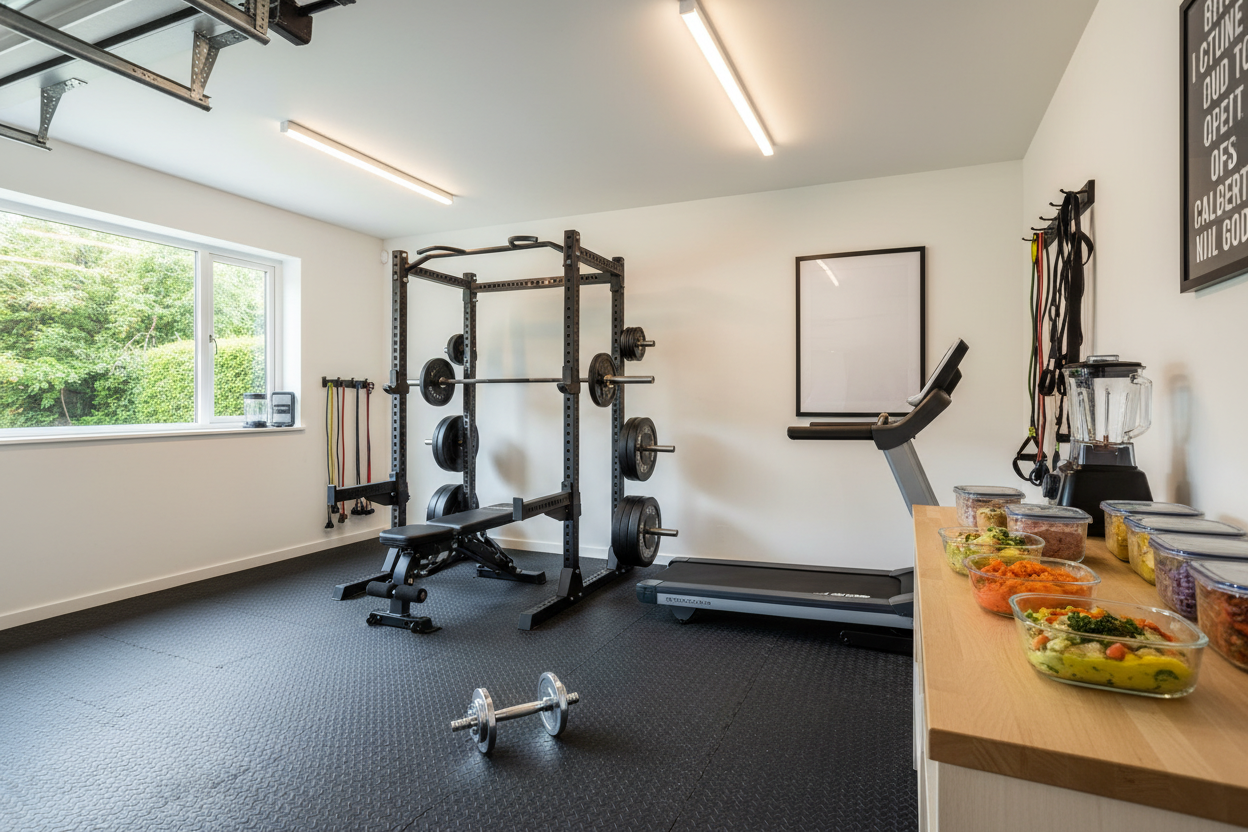
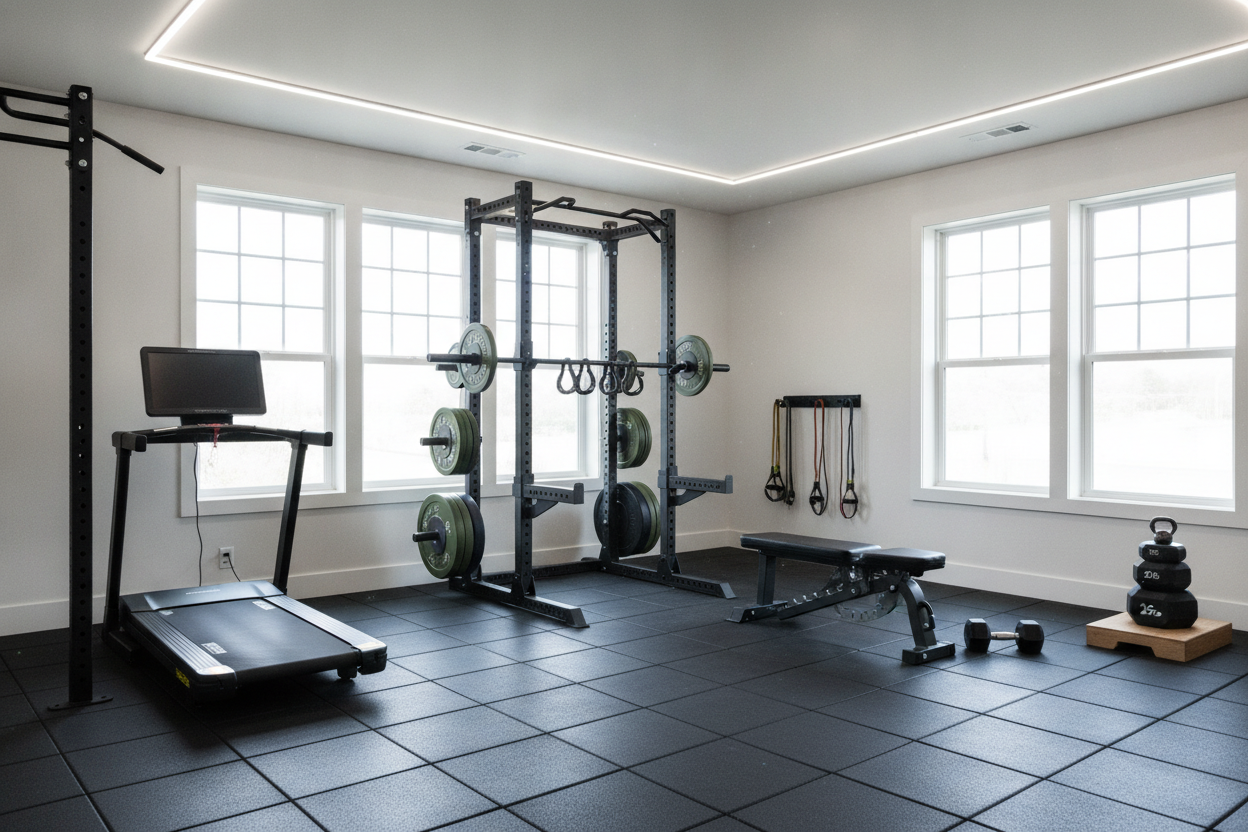
If you're training at home, your environment is your first line of defense. Old man workout sessions often happen in garages or basements where the floor is slick or uneven. One slip while holding a weight can end your lifting career. I always tell guys to prioritize a high-traction surface. A large exercise mat for home gym use provides the grip you need for carries and a cushioned surface for floor presses.
Ditching the ego also means ditching the 'hardcore' aesthetic. You don't need rusty plates and a freezing garage to get exercise for older males. You need a space where you feel stable. Proper lighting, a flat surface, and gear that fits your current range of motion will keep you consistent. Consistency is the only thing that actually moves the needle when you're older man working out.
Building a Sustainable Workout Routine for Older Male Lifters
The best workout for older guys is the one you can do three times a week without needing a week of recovery. Focus on a full-body approach. Hit a squat variation, a hinge (like a kettlebell deadlift), a push, a pull, and a carry every session. This frequency keeps the joints lubricated and the metabolism revved up.
When planning a workout routine for older men, leave one or two reps in the tank. Training to absolute failure is a young man's game that leads to systemic fatigue. You want to walk out of your gym feeling energized, not destroyed. This is the secret to exercise for old guys: we aren't training for a trophy; we're training so we can still hike, carry groceries, and stay independent for the next thirty years.
Personal Experience: The Day I Quit the Barbell
I used to be a barbell purist. I thought if you weren't back-squatting to the grass, you weren't training. Then I hit 55 and my knees started sounding like a bowl of Rice Krispies. I switched to box squats and sled drags, and the pain vanished in a month. I realized that workouts for old guys don't have to look like a powerlifting meet to be effective. My mistake was thinking my body was a machine that didn't wear out. Now, I treat my joints like a classic car—I still drive it fast, but I'm much more careful about the maintenance.
FAQ
How many days a week should an older man work out?
Three days is the sweet spot. It allows for 48 hours of recovery between sessions, which is crucial as you age. On off days, stay active with walking or mobility work.
What is the best exercise for men over 70?
The Farmer's Carry. It builds the grip and core strength needed to prevent falls and maintain independence, all with a very low risk of injury.
Can an old man still build muscle?
Absolutely. While your testosterone levels aren't what they were at 20, your muscles still respond to resistance. It just takes more attention to protein intake and recovery than it used to.