Stop Forcing Pigeon Pose: How to Actually Stretch Glutes
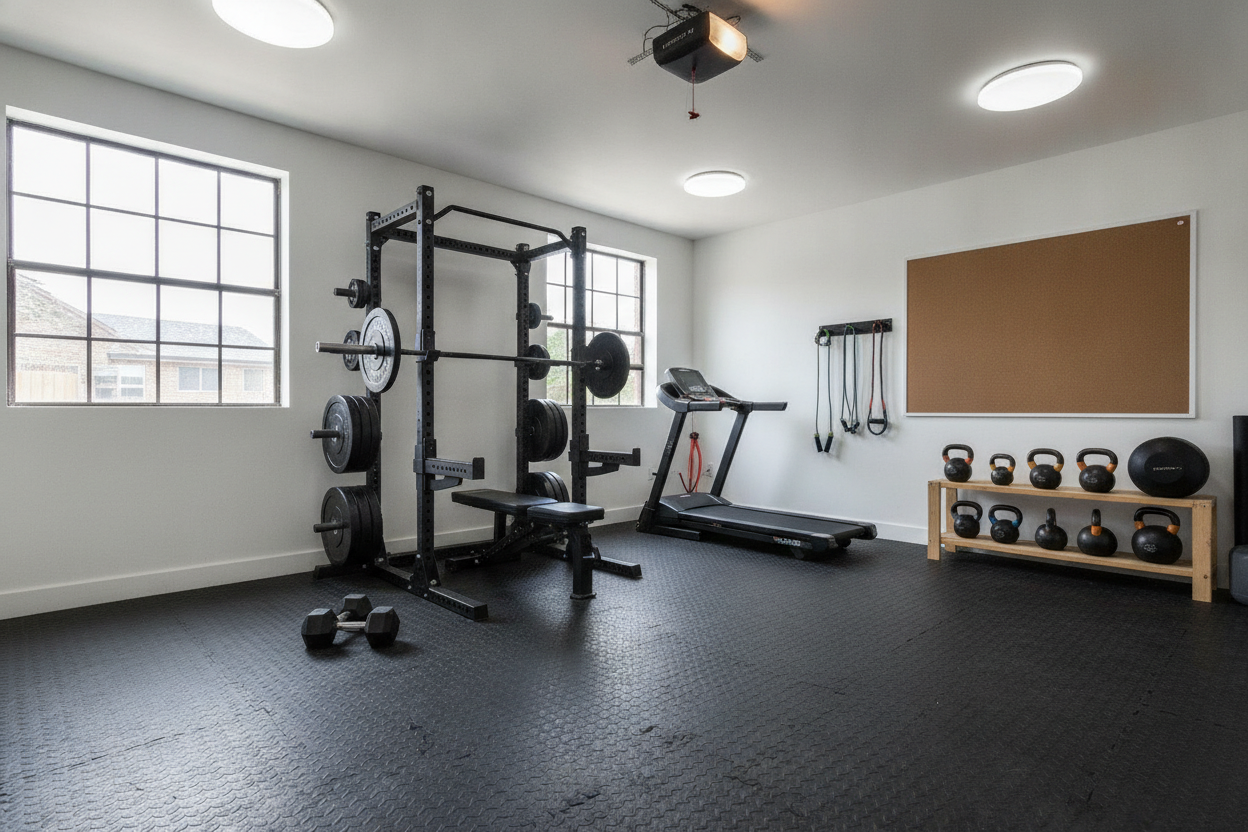
I have spent thousands of dollars on power racks, calibrated plates, and bars with knurling sharp enough to shave with. But all that gear is useless if I cannot hit depth because my hips feel like they are fused together. If you have ever stood up after a long day at the desk and felt that sharp tug in your lower back, you know the frustration. You try to stretch glutes by pulling your knee to your chest, but it feels like you are trying to stretch a steel cable.
- Active mobility beats static holding for maintaining lifting power.
- Sitting causes 'positional' tightness that requires dynamic movement to fix.
- The 90/90 transition is the gold standard for gluteal muscle stretch.
- Elevated stretches protect the knee joint while targeting the gluteus maximus.
- Timing your stretching for post-workout avoids 'noodling' your muscles before a heavy lift.
Why Your Glutes Feel Like Concrete (And Why Typical Stretches Fail)
Most people think glute tightness is a simple case of a short muscle. It is usually the opposite. When you sit for eight hours, your hip flexors are shortened and your glutes are stuck in a chronically lengthened position. This 'locked-long' state makes the gluteal muscle stretch feel impossible because the muscle is already under tension. Simply yanking your leg across your body in a random buttock stretch does not address the neurological tension your brain is holding.
When you have a tight glute, your body often compensates by tilting the pelvis, which is why glute tightness and lower back pain are usually best friends. To effectively use stretches for glute muscles, you have to stop thinking about the muscle as a rubber band and start thinking about it as a system that needs to be 're-set.' Randomly pulling on your leg without proper pelvic alignment is just wasting time and potentially irritating your sciatic nerve.
If you want to know how to stretch glutes effectively, you have to focus on the hip joint's rotation. The gluteus maximus is a powerful external rotator. If you are only stretching in one plane of motion, you are missing the bulk of the muscle fibers. This is why your standard stretches for glutes pain never seem to 'stick' for more than ten minutes.
Active Mobility vs. Passive Stretching for Glutes
Passive stretching is what you see in most gym corners: someone lying on their back, staring at the ceiling, and holding their leg for three minutes. While this has its place for relaxation, it is not the best way to loosen tight glute muscles for performance. Active mobility requires you to use your own muscle strength to move into and out of a range of motion.
I often get asked if yoga actually build muscle or if it is just for flexibility. The reality is that the best glute stretches exercises incorporate elements of both. You want to teach your nervous system that it is safe to access these new ranges of motion. If you just passively pull on the muscle, your brain will snap it back to 'tight' as soon as you stand up. Stretches for gluteus maximus should involve active tension to create lasting change.
The Best Glute Stretching Exercises You Aren't Doing
If you are ready to actually fix that tight butt muscles sensation, you need a plan. You do not need a fancy gym for this, but I highly recommend laying down a thick exercise mat. Trying to do deep hip openers on a cold, hard garage floor is a great way to bruise your hip bones and quit after thirty seconds. Proper positioning is everything when you want to stretch for your glutes.
The 90/90 Hip Transition
This is my absolute favorite way to stretch out buttocks muscles. Sit on the floor with your front leg at a 90-degree angle and your back leg at a 90-degree angle. Keep your spine tall. Instead of just leaning forward, think about pushing your lead knee into the floor. This creates the 'active' component. To transition, keep your heels glued to the floor and rotate your knees to the opposite side. This hits both internal and external rotation, making it a superior gluteus maximus muscle stretch.
The Elevated Pigeon (Without the Knee Pain)
Standard floor pigeon pose often puts too much lateral pressure on the knee. To stretch gluteus maximus safely, use a weight bench or a plyo box. Place your shin across the bench. Because your foot is hanging off the edge, you can keep a neutral ankle and protect your knee. This is the best glute stretch for targeting the upper glute and relieving that deep 'ache' in the hip socket. Lean forward from the hips, not the lower back, to maximize the pull.
The Seated Figure-Four Cross-Legged Glute Stretch
This is the ultimate 'desk worker' move. You can do this while on a call. Cross one ankle over the opposite knee. The key here is the 'hinge.' Do not round your back. Keep your chest up and lean forward slightly. You will feel a deep stretch for tight glutes immediately. It is a simple way to loosen glutes throughout the day so they do not feel like rocks by 5:00 PM. This cross-legged glute stretch is brutal but effective for those with tight glutes from sitting.
When Should You Actually Stretch Your Glutes?
Timing is where most people mess up. If you are about to do a heavy session of squats or deadlifts, do not spend 20 minutes doing deep, passive stretching for glutes. This can actually decrease your force production—essentially making your muscles 'mushy' when they need to be explosive. Save the long-hold sore glute stretches for after your workout or as a separate evening mobility session.
Before a workout, stick to the 90/90 transitions to wake up the joint. Post-workout is the time for the elevated pigeon and the deeper stretches for tight glute muscles. This helps with blood flow and recovery, especially if you are dealing with sore glutes stretches. If you are trying to figure out how to relieve tight buttock muscles long-term, consistency beats intensity. Five minutes every day is better than thirty minutes once a week.
My 2019 Mobility Mistake
A few years back, I was convinced I had 'short' hamstrings and glutes. I spent every morning yanking on my legs with a heavy resistance band. I was getting more flexible, but my lower back pain was getting worse. It turns out I was over-stretching a muscle that was already over-lengthened from sitting. Once I switched to the 90/90 transitions and focused on glute strength rather than just 'stretching out,' the pain vanished in two weeks. Don't just stretch for the sake of stretching—stretch to restore function.
FAQ
How do I know if my glutes are tight or just weak?
If you stretch and the feeling of 'tightness' returns within an hour, your glutes are likely weak or over-lengthened. Try adding glute bridges and side-lying clamshells to your routine instead of just more stretching.
Can tight glutes cause knee pain?
Absolutely. If your glutes cannot rotate the hip properly, your knee has to take up the slack during movements like lunges or running. Loosening the glutes often relieves pressure on the IT band and the knee cap.
Is it okay to stretch glutes every day?
Yes, especially if you have a sedentary job. Short, frequent sessions of active mobility are the best way to combat the effects of sitting all day without losing the 'snap' in your muscles for your heavy lifting days.