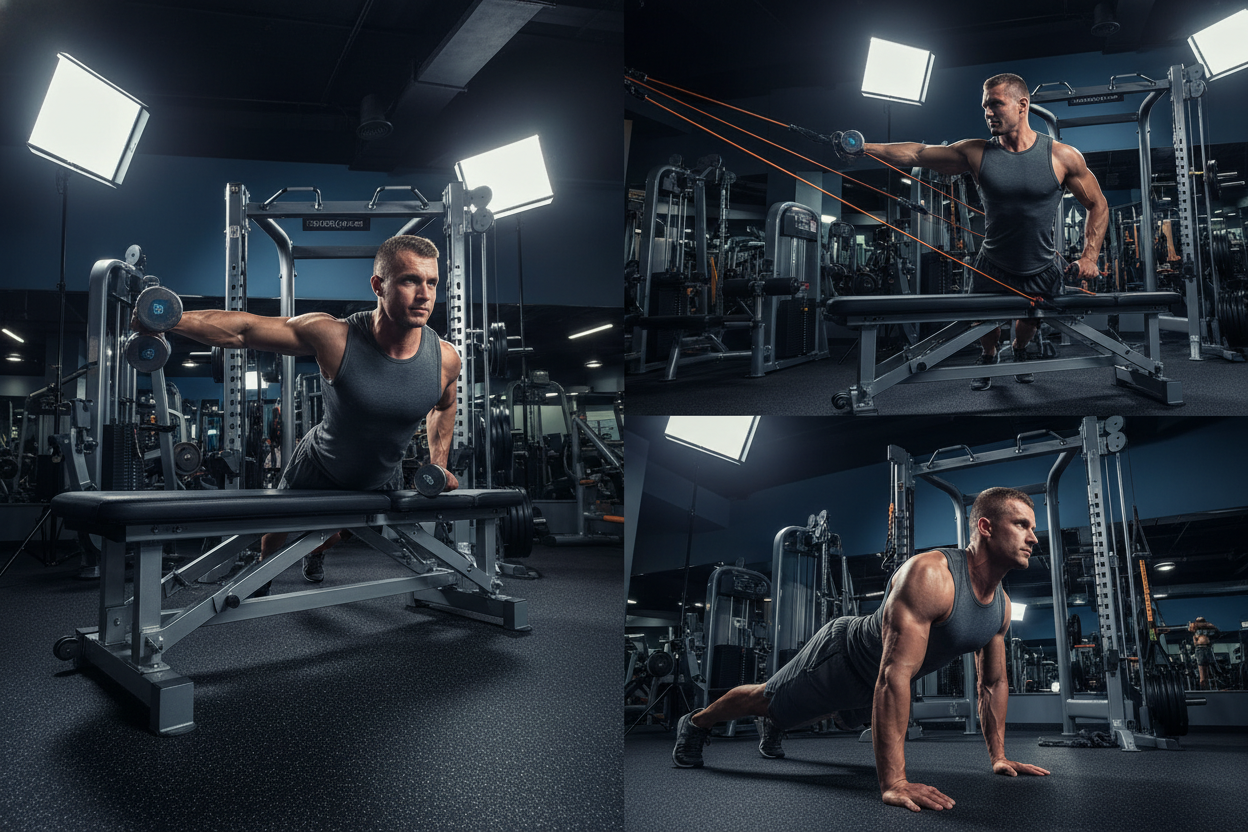
Stop Forcing a Reset Shoulder Position: The Mechanics You Need
You spend hours hunched over a keyboard or scrolling through your phone, and eventually, you feel that familiar ache. Your natural instinct is to yank your shoulders back as hard as possible to fix the slump. But forcing this movement without proper mechanics often does more harm than good.
A proper reset shoulder protocol isn't about jamming your scapula together; it is about re-establishing thoracic extension and scapular stability. If you are constantly fighting rounded shoulders only to find them rolling forward again five minutes later, your technique is missing a crucial component.
Note: If you have suffered an acute injury or dislocation, seek immediate medical attention. This guide addresses postural mechanics and mobility, not medical reduction.
Key Takeaways: The 3-Step Protocol
If you are looking for the most effective way to improve position, here is the core breakdown of the movement:
- Release the Pec Minor: You cannot reset position if the front of your chest is mechanically short. Start with soft tissue work.
- Thoracic Extension First: Before moving the shoulders, you must extend the upper spine. The scapula follows the ribcage.
- External Rotation, Not Just Retraction: Don't just pull back. Rotate the thumbs out to engage the rotator cuff and lower traps, creating lasting stability.
Why The "Down and Back" Cue Fails
For years, trainers have yelled "shoulders down and back" at clients. While well-intentioned, this cue often leads to a "shoulder reset" that is purely cosmetic and functionally unstable.
When you aggressively pinch your shoulder blades together without engaging the core or mobilizing the thoracic spine, you often flare your ribs. This creates a false sense of good posture. You look upright, but you have disconnected your diaphragm from your pelvic floor, effectively killing your core stability.
The Anatomy of the Slump
To fix the issue, you have to understand the tension balance. In a forward-rolled posture, your Upper Traps and Levator Scapulae are overworked and tight. Meanwhile, your Deep Neck Flexors and Lower Traps are dormant.
A true reset requires you to down-regulate the upper traps (stop shrugging) and up-regulate the lower traps (pulling the scapula down toward the back pockets).
How to Perform a True Shoulder Reset
Forget the aggressive squeezing. We want to create a neutral position that you can maintain while breathing.
Step 1: The Sternum Lift
Imagine there is a string attached to your sternum (breastbone). Visualize being pulled upward by that string. This extends the thoracic spine without flaring the ribs. If your lower back arches excessively, you’ve gone too far.
Step 2: The "Anti-Shrug"
Drop your shoulders away from your ears. This sounds simple, but most people hold tension here unconsciously. Exhale deeply and feel the collarbones sink.
Step 3: External Rotation
This is the secret sauce. With your arms hanging by your sides, turn your palms forward (thumbs pointing out). You should feel a subtle engagement in the muscles behind your armpit (the rotator cuff and lats). This rotation naturally seats the humerus into the socket without forceful pinching.
My Training Log: Real Talk
I realized I was doing this wrong during my third year of powerlifting. I was suffering from chronic bicep tendonitis, and my bench press had stalled completely. I thought I had a "tight chest," so I spent months aggressively stretching and yanking my shoulders back before every set.
It wasn't until I worked with a movement specialist that I realized my "reset" was actually causing the impingement. I remember the specific feeling when I finally got it right—it wasn't a squeeze. It felt like my arm bone was being "screwed" into the socket.
The biggest tell for me was the lack of clicking. Usually, my left shoulder would click audibly when I lowered the bar. Once I stopped pinching my blades and started focusing on depressing the scapula while externally rotating, the click vanished instantly. It felt weirdly unstable at first because I wasn't using the tension of the squeeze to hold me up, but my stability under load skyrocketed within weeks.
Conclusion
Posture is not a position you hold; it is a dynamic state of balance. A reset shoulder routine shouldn't be a rigid military brace. It should be a fluid return to neutral where your skeletal structure supports your weight, not your exhausted muscles. Stop pinching, start rotating, and let your structure do the work.
Frequently Asked Questions
How often should I perform a shoulder reset?
You should perform a micro-reset every 20 to 30 minutes if you work at a desk. It doesn't need to be a full workout; just a 10-second check-in to lift the sternum and rotate the palms forward is sufficient to break the pattern of slouching.
Will this fix my neck pain?
Often, yes. Forward head posture is usually a compensation for rounded shoulders. By correcting the foundation (the shoulder girdle), the neck no longer has to crane forward to keep your eyes level, relieving tension in the suboccipital muscles.
Can I do this with weights?
Absolutely. Exercises like the "Face Pull" or "Band Pull-Apart" are essentially loaded versions of a shoulder reset. They strengthen the rear delts and external rotators, making it easier to hold the position naturally throughout the day.