Stop Fearing the Bike: Should I do cardio if I want to gain weight?
I remember the first time I tried to put on 20 pounds of real mass. I treated the treadmill like it was radioactive. I'd literally walk the long way around the gym floor to get to the squat rack, terrified that a few extra heartbeats would melt my biceps into thin air. If you're currently staring at a protein shake and wondering, should i do cardio if i want to gain weight, you've probably been fed the same old-school nonsense that I was.
The 'perma-bulk' mentality usually involves moving as little as possible to 'conserve calories.' It sounds logical on paper, but in practice, it just makes you a heavy, winded mess who can't handle a high-volume leg day. I've spent years testing this in my own garage gym, and I can tell you that skipping your conditioning is the fastest way to stall your progress and end up with a gut instead of a chest.
Quick Takeaways
- Low-intensity cardio improves blood flow and speeds up muscle recovery.
- A stronger heart allows you to push harder during high-rep compound sets.
- Conditioning stimulates appetite, making it easier to hit high-calorie goals.
- Avoid high-impact HIIT which can interfere with systemic recovery.
The Classic Gym Bro Fear of Melting Away
The fear is real: you spend sixty minutes grinding out heavy sets, and you don't want to 'undo' that work by jumping on a bike. We've all seen the marathon runners who look like they haven't eaten since the 90s, and we assume that's the inevitable result of any cardiovascular work. This is a massive misunderstanding of how energy systems actually work. You aren't going to catabolize your quads because you went for a twenty-minute brisk walk.
When you completely neglect your heart, you're essentially building a massive engine and putting it inside a car with a tiny, restricted exhaust pipe. You might have the muscle to move the weight, but your body can't clear waste products or deliver oxygen fast enough to sustain the effort. I've seen guys with 500-pound deadlifts who have to sit down for ten minutes after a set of five because their heart rate is redlining. That isn't being 'huge'—it's being out of shape. Real weight gain should be about building a more capable body, not just a heavier one.
The Honest Truth: Is cardio good for weight gain?
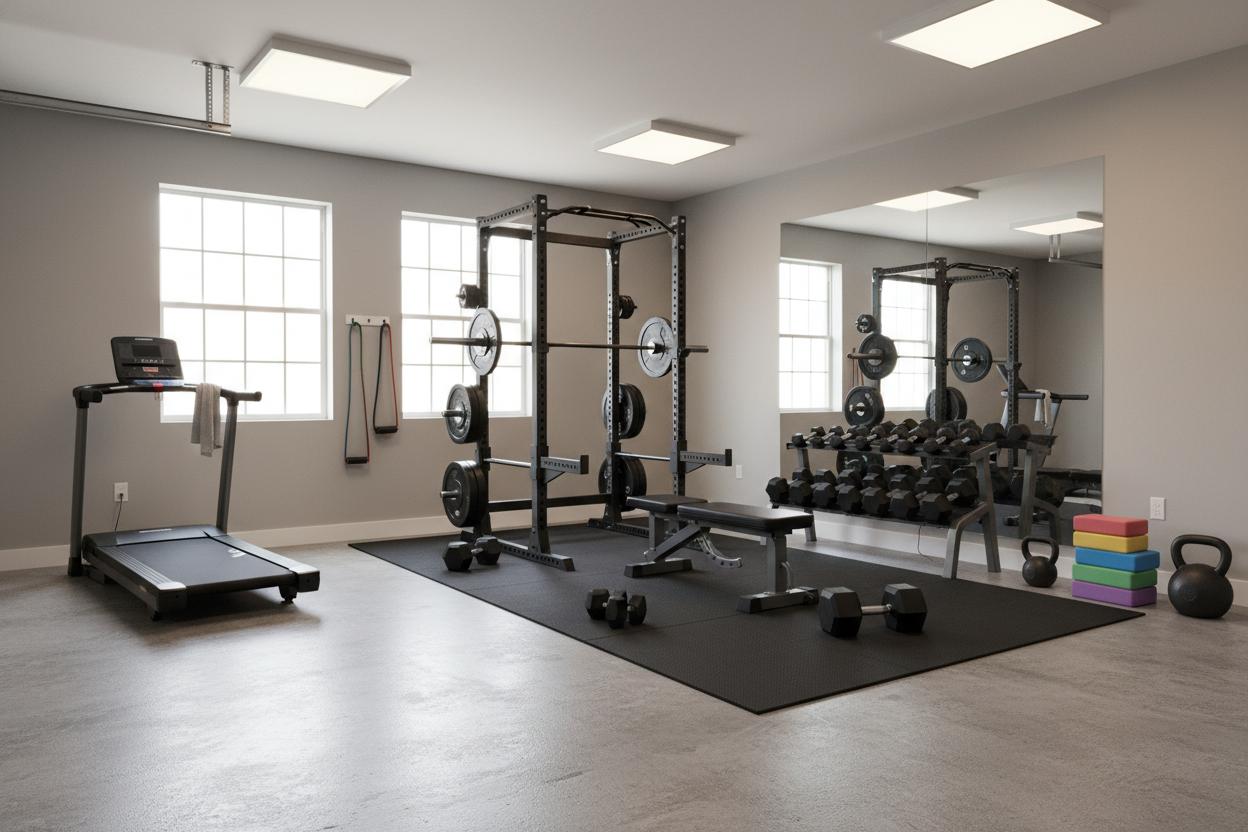
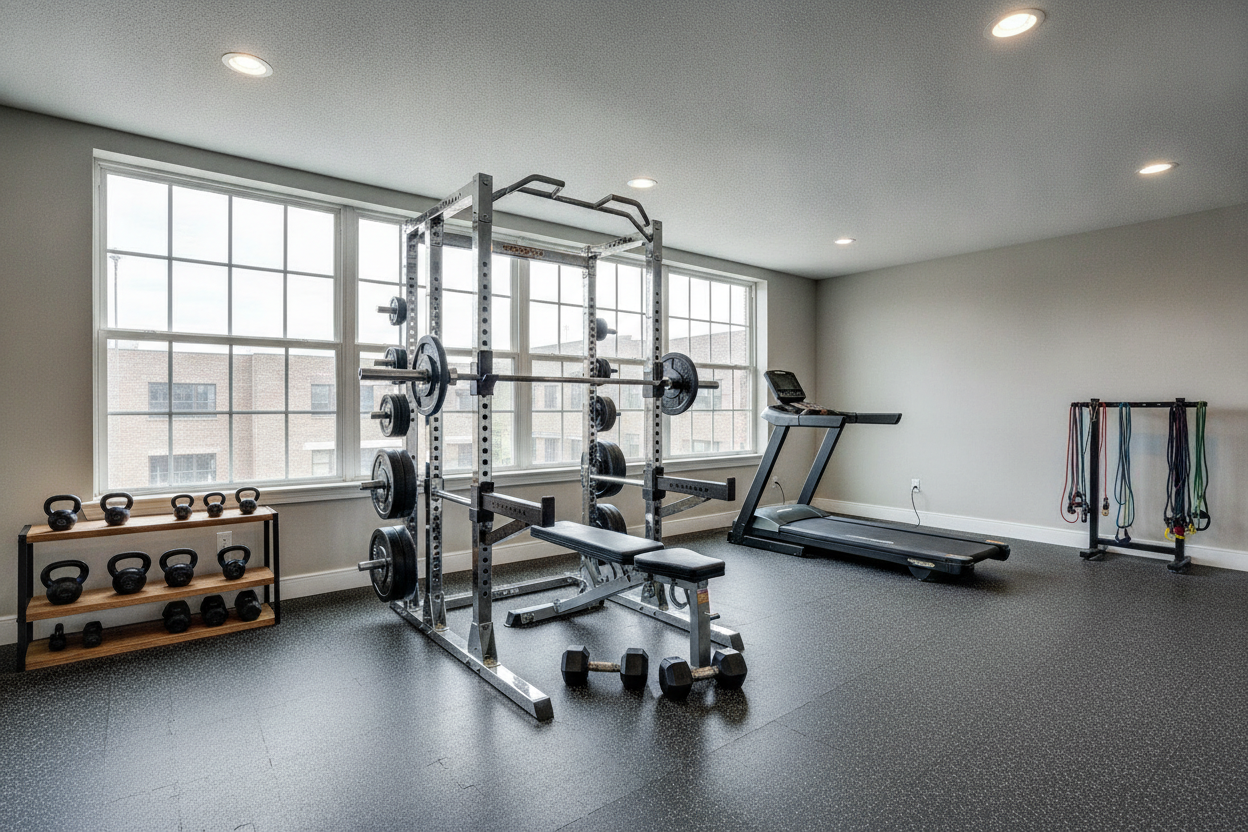
So, is cardio good for weight gain? The answer is a definitive yes, provided you aren't training for an Ironman while trying to bulk. The primary benefit is work capacity. If you're using something like the Gxmmat X6 Power Rack Weight Bench Package to run a high-volume hypertrophy program, your limiting factor shouldn't be your lungs. A better aerobic base means you can recover faster between sets of heavy squats and presses. Instead of needing three minutes of rest, you might only need ninety seconds. This allows you to pack more total tension into a single session.
Furthermore, cardio improves nutrient partitioning. This is just a fancy way of saying it helps ensure the calories you eat go to your muscles rather than your love handles. By keeping your metabolism 'hot' and your insulin sensitivity high, your body becomes more efficient at using those extra carbs to fuel performance and repair tissue. I noticed that when I added three days of incline walking to my mass-building phases, I stayed leaner while the scale moved up at the same rate as before. It's about quality of weight, not just the number on the scale.
The Appetite Advantage You're Missing Out On
One of the hardest parts of gaining weight is the sheer volume of food. Choking down 3,500 or 4,000 calories of clean food feels like a full-time job. I’ve had days where the thought of another chicken breast made me want to quit lifting entirely. This is where light cardio becomes your best friend. Steady-state movement, like a 20-minute walk or a light cycle, stimulates gastric emptying and gets things moving in your digestive tract.
It’s a natural appetite stimulant. There is a reason why professional strongmen—the literal kings of weight gain—often take 'digestive walks' after large meals. It isn't to burn calories; it's to prime the pump for the next meal. If you're constantly feeling bloated and 'full,' adding a bit of low-intensity movement will do more for your bulk than any 'mass gainer' supplement ever could. You can't grow if you can't eat, and you can't eat if you're physically stagnant.
Should you do cardio if you want to gain weight without burning out?
The key is the type of cardio you choose. If you're asking, should you do cardio if you want to gain weight, you need to differentiate between 'conditioning' and 'beating yourself into the ground.' High-intensity interval training (HIIT) is great for fat loss, but it's incredibly taxing on the central nervous system. If you're already squatting heavy three days a week, your nervous system is already under fire. Adding hill sprints on top of that is a recipe for a plateau.
Stick to Zone 2 cardio. This is the intensity where you can still hold a conversation—it’s roughly 60-70% of your max heart rate. It’s restorative, not destructive. You also want to make sure your lifting stays as lifting. I see a lot of people make the mistake mentioned in Your Go-To Weight Lifting Videos for Women Are Probably Just Cardio, where they turn their resistance training into a sweaty circuit with no rest. That isn't how you build mass. Keep your lifting heavy and focused on tension, and keep your cardio separate and steady.
Rules for Programming Conditioning During a Mass Phase
To make this work, you need a plan that doesn't steal energy from your primary lifts. I recommend doing your cardio either on your off-days or at least six hours removed from your leg sessions. If you do a 5-mile run right before hitting the weight lifting machines, your leg press numbers are going to suffer. Mechanical tension is the driver of growth, so don't compromise it.
Start small: two or three sessions a week, 20 to 30 minutes each. Monitor your weight. If the scale stops moving, don't drop the cardio—just add another 200 calories to your daily intake. It's much easier to eat an extra peanut butter sandwich than it is to regain the cardiovascular health you lose by being a couch potato. You can also read more about the balance in Stop Guessing If You Need Cardio or Weights to Lose Weight to see how the goals shift when you aren't in a surplus.
My Personal Mistakes
I once went through a six-month 'dream bulk' where I refused to even walk the dog because I was worried about my gains. I went from 195 lbs to 220 lbs. I looked huge in a hoodie, but I was miserable. I couldn't walk up a flight of stairs without breaking a sweat, and my blood pressure started creeping into the 'not great' range. When I finally went back to the gym to cut, I realized I had lost a massive amount of athletic ability. Now, I never bulk without at least 8,000 steps a day and two sessions on the air bike. I feel better, I eat more, and I actually look like an athlete instead of just a guy who eats too much pizza.
FAQ
Will cardio make me lose muscle?
Not if you are eating in a caloric surplus. Muscle loss occurs when your body is in a deficit and doesn't have enough stimulus to keep the tissue. Low-intensity cardio actually helps muscle growth by improving blood flow and nutrient delivery.
How much cardio is too much for a bulk?
If your cardio is so intense that your strength numbers are dropping in the gym, you're doing too much. For most people, 60-90 minutes of total weekly cardio is the sweet spot for health and recovery without interfering with gains.
What is the best type of cardio for weight gain?
Walking or low-impact cycling are king. They provide the aerobic benefits without the joint stress of running. An incline walk on a treadmill is arguably the most effective tool for a lifter trying to stay conditioned while getting big.