Stop Doing Kickbacks First: How to Structure a Glute Workout
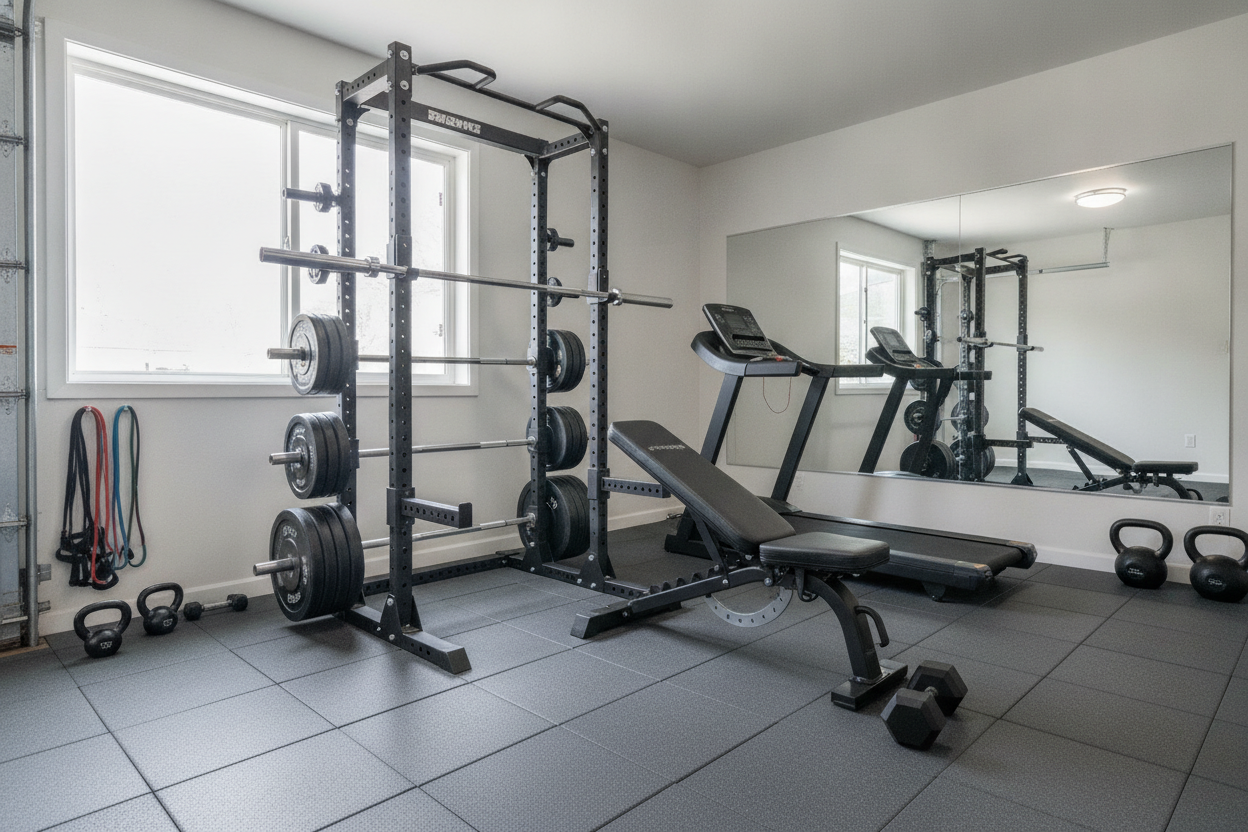
I’ve spent too many mornings in my cold garage gym, tripping over 45-pound bumper plates and scrolling through social media, only to see the same mistake repeated a thousand times. You know the one: someone spends 25 minutes doing 'glute activation' with a tiny rubber band before they even think about touching a barbell. If you want to know how to structure a glute workout that actually builds muscle rather than just making you sweat, you have to stop treating the 'burn' like it's the goal.
Real growth happens when you move heavy weight with a fresh central nervous system. When you pre-exhaust your muscles with high-rep isolation work, you aren't 'waking them up'—you're just handicapping your ability to lift the loads that actually trigger hypertrophy. I’ve made this mistake myself, and all it got me was a great pump and zero strength progress over six months.
Quick Takeaways
- Always perform heavy compound movements first while your energy is peaked.
- Unilateral work (single-leg) should follow compounds to fix imbalances.
- Save high-rep isolation moves and 'burnouts' for the very end of the session.
- Limit your workout to 3-5 high-quality movements to avoid junk volume.
Why Your Current Order of Glute Exercises is Backwards
The viral trend of 'glute activation' has done a massive disservice to lifters. The theory is that by doing banded walks or clamshells, you 'fire up' the glutes so they work harder during squats. In reality, your glutes are already 'on'—if they weren't, you’d fall over. What you’re actually doing is creating localized fatigue. By the time you get under a barbell, your primary movers are already tired, which forces your lower back and hamstrings to compensate during the heavy stuff. This is the exact opposite of what you want.
This glute workout order failure also impacts your central nervous system (CNS). Your CNS is like a battery; it has the most output at the start of your session. If you waste that high-voltage energy on low-resistance kickbacks, you won't have the neurological drive left to hit a PR on hip thrusts or deadlifts. I’ve seen guys and girls alike wonder why their squat has plateaued for a year, only to realize they’re doing a 20-minute circuit of 'booty bands' before their first working set. Stop the madness. Warm up with dynamic movements and light sets of your main lift, not with fatiguing isolation work.
The Non-Negotiable Glute Workout Order
Success in the gym is about hierarchy. You need to prioritize movements that allow for the greatest mechanical tension—that's the primary driver of muscle growth. The order of glute exercises should always flow from most demanding to least demanding. This isn't just about how heavy the weight is; it's about how much stability and coordination the move requires. If you flip this, you’re leaving gains on the table and increasing your risk of form breakdown on the lifts that matter most.
Phase 1: Heavy, Bilateral Compound Lifts
This is where the real work happens. Your first 20 to 30 minutes should be dedicated to movements where you can move the most weight. We’re talking about hip thrusts, Romanian deadlifts (RDLs), and squats. These are bilateral movements, meaning both feet are planted, giving you the most stable base possible. Stability equals force production. If you aren't stable, your brain won't let your muscles fire at 100% capacity.
In my experience, the hip thrust is the king of this phase because it keeps the glutes under tension in their shortened position. However, don't sleep on the squat. While it's often called a quad exercise, a deep squat with a controlled eccentric is a massive glute builder. If you're looking for specifics on how to dial in your form for these heavy openers, check out this comprehensive ladies squat workout guide. Whether you’re using a power rack or a dedicated thrust machine, this is the time to push your limits. Use a logbook. If you did 225 lbs for 8 last week, aim for 230 lbs or 9 reps today. This phase is about progressive overload, plain and simple.
Phase 2: Unilateral Stability Work
Once you’ve finished your heavy compounds, your CNS is slightly taxed, but your muscles are primed. Now we move into unilateral work—one leg at a time. This is crucial for fixing the imbalances we all have. I personally have a right glute that likes to let the left one do all the heavy lifting, and Bulgarian split squats are the only way I can force it to show up to the party. Lunges and step-ups also fall into this category.
Doing these second is a strategic choice. They require a lot of balance. If you did these after a grueling burnout, your balance would be shot, and you'd likely tweak a knee or an ankle. By doing them after compounds, you’re still fresh enough to maintain a neutral spine and controlled descent. Aim for 8-12 reps per leg. If you’re using dumbbells, make sure the knurling is decent so your grip doesn't fail before your legs do. I’ve used cheap, smooth-handled weights before, and there’s nothing more frustrating than dropping a weight mid-set because of sweat.
Phase 3: High-Rep Isolation Burnouts
Now, and only now, do you get to do the 'fun' stuff. This phase is about metabolic stress—getting that skin-splitting pump and flushing the muscle with blood. We’re looking at cable kickbacks, 45-degree hyperextensions, and floor-based work like glute bridges or clamshells. Since you’ve already hit the heavy weights, these isolation moves act as the 'finisher' to recruit any remaining muscle fibers.
I like to do these in the 15-25 rep range. Since you're likely going to be hitting the floor for things like frog pumps or side-lying abductions, do yourself a favor and get a thick 6x8ft exercise mat for floor work. There is nothing that ruins a mind-muscle connection faster than your hip bone grinding into a concrete garage floor. This phase should feel like a slow burn. You aren't trying to move the whole stack on the cable machine; you're trying to feel the muscle contract and relax with every single rep.
Putting It Together: A Real-World Garage Gym Routine
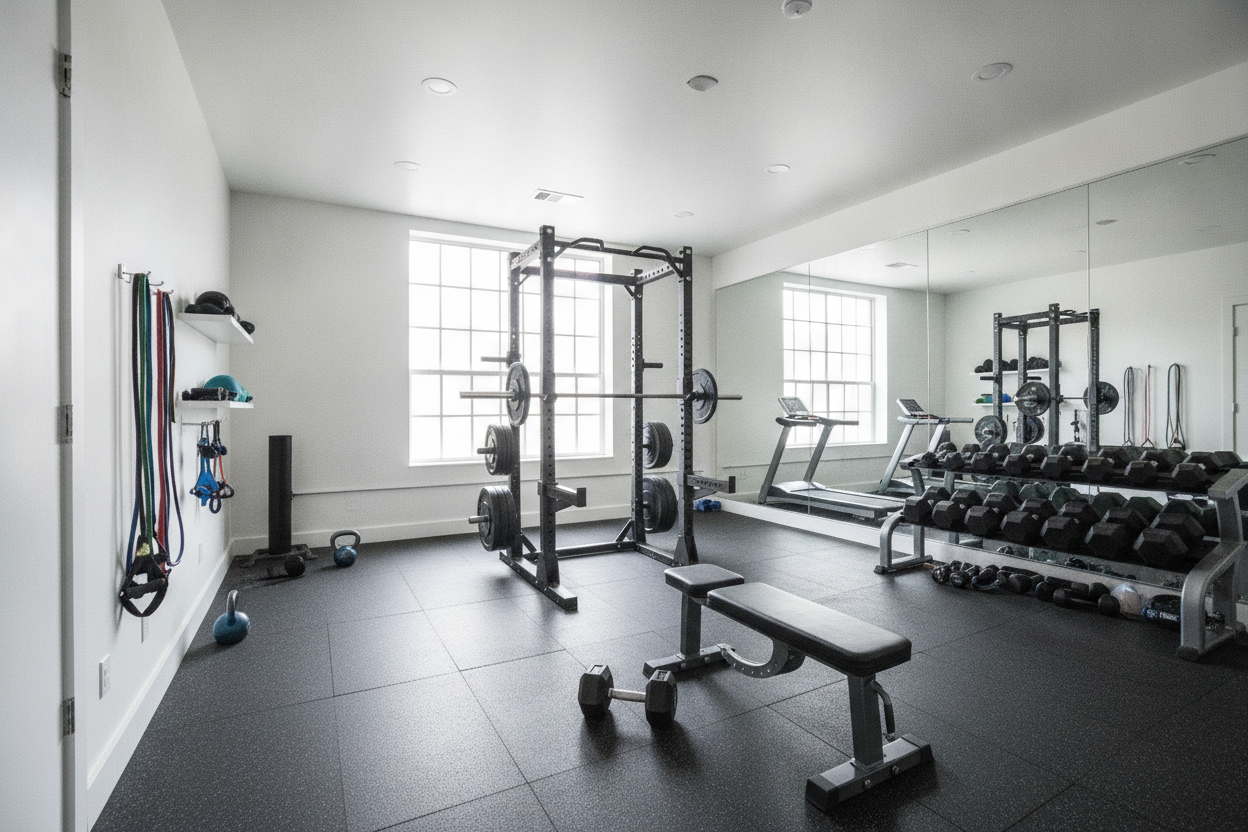
You don't need a 20-piece circuit to see results. In fact, more is usually less. Here is a sample 4-movement template that I’ve used with great success in my own training. It hits every function of the glutes without taking two hours of your life.
- Barbell Hip Thrusts: 3 sets of 6-8 reps (Heavy, 3-minute rest)
- Romanian Deadlifts: 3 sets of 10 reps (Moderate, 2-minute rest)
- Bulgarian Split Squats: 3 sets of 12 reps per leg (Focus on the stretch)
- Banded Glute Bridges: 2 sets of 20+ reps (The finisher)
If you find yourself training at a commercial spot instead of at home, you might want to look at this full booty workout in gym routine for ideas on how to use machines like the seated abduction or the Smith machine to fill these slots. The key is the structure, not the specific tool. Stick to this glute workout order for 8 to 12 weeks. Don't change the exercises every week. Mastery of movement is what leads to the ability to add weight, and adding weight is what leads to muscle.
Stop Overcomplicating Your Leg Days
The biggest mistake I see—and one I’ve been guilty of—is 'junk volume.' This is when you do 8 different exercises for the same muscle group because you think you need to hit it from every angle. If you’ve done heavy RDLs and heavy thrusts, your glutes are already 80% cooked. Adding five different types of lunges after that isn't helping; it's just making it harder for you to recover for your next session. To see more no-nonsense guides on how to strip away the fluff, explore our complete workout hub.
Personal Experience: My 'Activation' Failure
A few years ago, I fell for the 'activation' trap. I would spend 15 minutes doing monster walks and fire hydrants. I felt a massive burn and thought I was doing great. But when I got to my squats, I felt weak. My knees were cavey, and I couldn't hit my usual numbers. I eventually realized that my gluteus medius was so fatigued from the 'warm-up' that it couldn't stabilize my femur during the heavy lift. Once I moved the bands to the end of the workout, my squat went up 20 pounds in a month. Lesson learned: save the burn for the end.
FAQ
Should I do glutes every day?
No. Glutes are a massive muscle group that needs 48-72 hours to recover. Hit them hard 2-3 times a week with rest days in between for the best results.
Do I need a barbell for a good glute workout?
It helps for loading, but you can use heavy dumbbells or sandbags. The principle of the workout order remains the same regardless of the equipment.
Should I use a belt for glute exercises?
For heavy RDLs or squats, a belt can help with intra-abdominal pressure. For hip thrusts, it’s usually not necessary and can actually get in the way of the bar pad.