Stop Doing 5 Sets of 10: How to Build Muscle the Fastest
I spent years following the 'standard' advice: 3 sets of 10, 4 sets of 12, chasing a pump that vanished before I even finished my post-workout shake. I was consistent, my form was decent, but my physique was stuck in neutral. It wasn't until I stopped treating my garage sessions like a checklist and started treating them like a fight that I figured out how to build muscle the fastest. If you are tired of looking the same month after month, it is time to stop counting reps and start making reps count.
- Effective Reps: Only the last 2-3 reps before failure actually trigger growth.
- Rest-Pause: A method to stay in the 'growth zone' for longer without adding extra sets.
- Safety First: Pushing to failure requires a rack with spotter arms and floor protection.
- Caloric Surplus: High intensity is useless if you are not eating to recover.
Why Your Standard '5 Sets of 10' Is Mostly Garbage Volume
Most people in the gym are collectors of 'junk volume.' When you do a set of 10 with a weight you could actually lift 15 times, the first 7 or 8 reps are essentially a warm-up. They do almost nothing to stimulate hypertrophy. You are just accumulating fatigue without the growth stimulus. This is a massive waste of time if your goal is to get muscle fast.
To force the body to adapt, you need 'effective reps'—those grinding, slow-speed reps where your nervous system is screaming. By doing multiple sub-maximal sets, you are just getting tired, not getting big. If you want to stop spinning your wheels, you have to find a way to maximize the time spent at the edge of failure.
The Rest-Pause Loophole: Maximizing Effective Reps
Rest-pause training is the ultimate physiological loophole for building muscle quick. Instead of doing a set, resting two minutes, and doing another, you condense the work. You take a weight you can lift for 8-12 reps and go until you literally cannot move the bar another inch. Then, you put it down, count to 15, and go again. You’ll probably only get 3 or 4 more reps, but every single one of those is an 'effective rep.'
Repeat this one more time after another 15-second break. You’ve just packed the growth stimulus of five regular sets into one brutal, three-part 'mega-set.' This is how you bypass the fluff and get muscle fast. You aren't living in the garage for two hours; you are in and out in 40 minutes, but those 40 minutes are pure intensity.
Rigging Your Garage Space for Total Muscular Failure
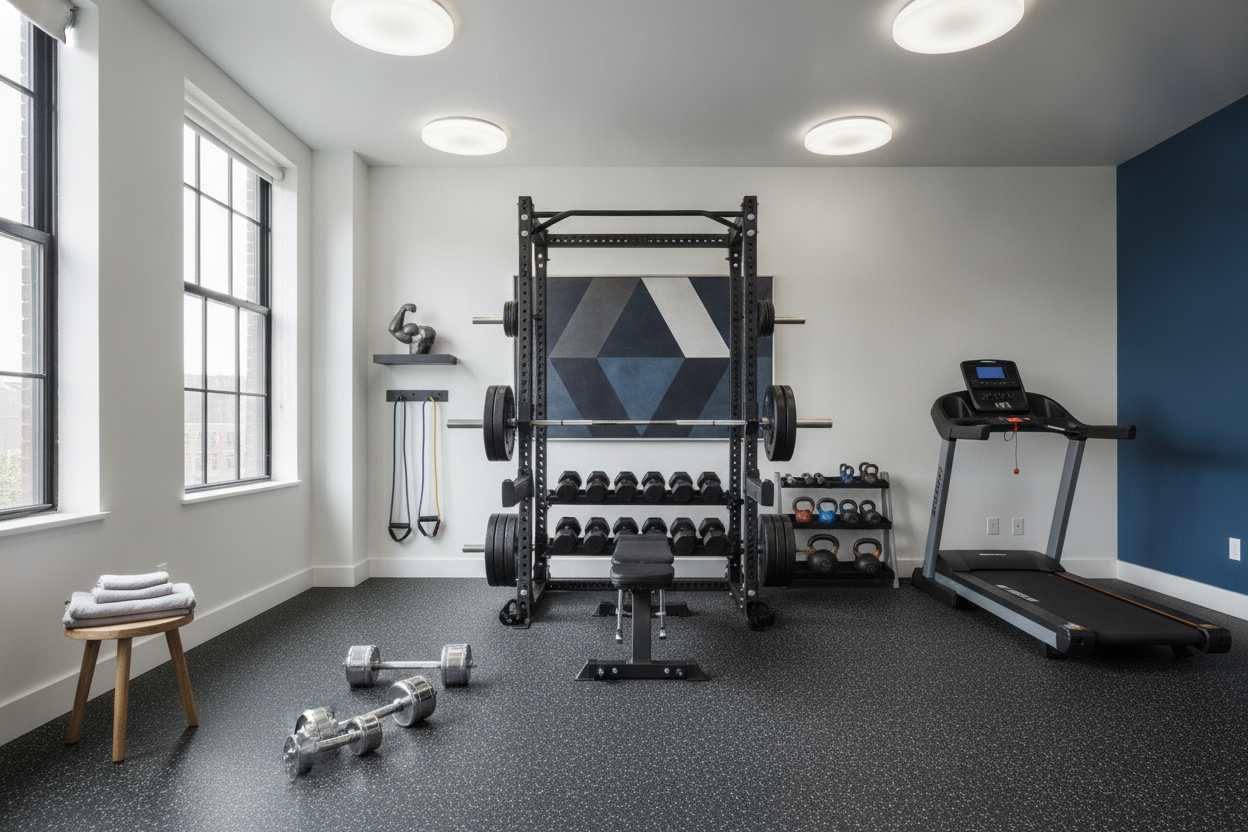
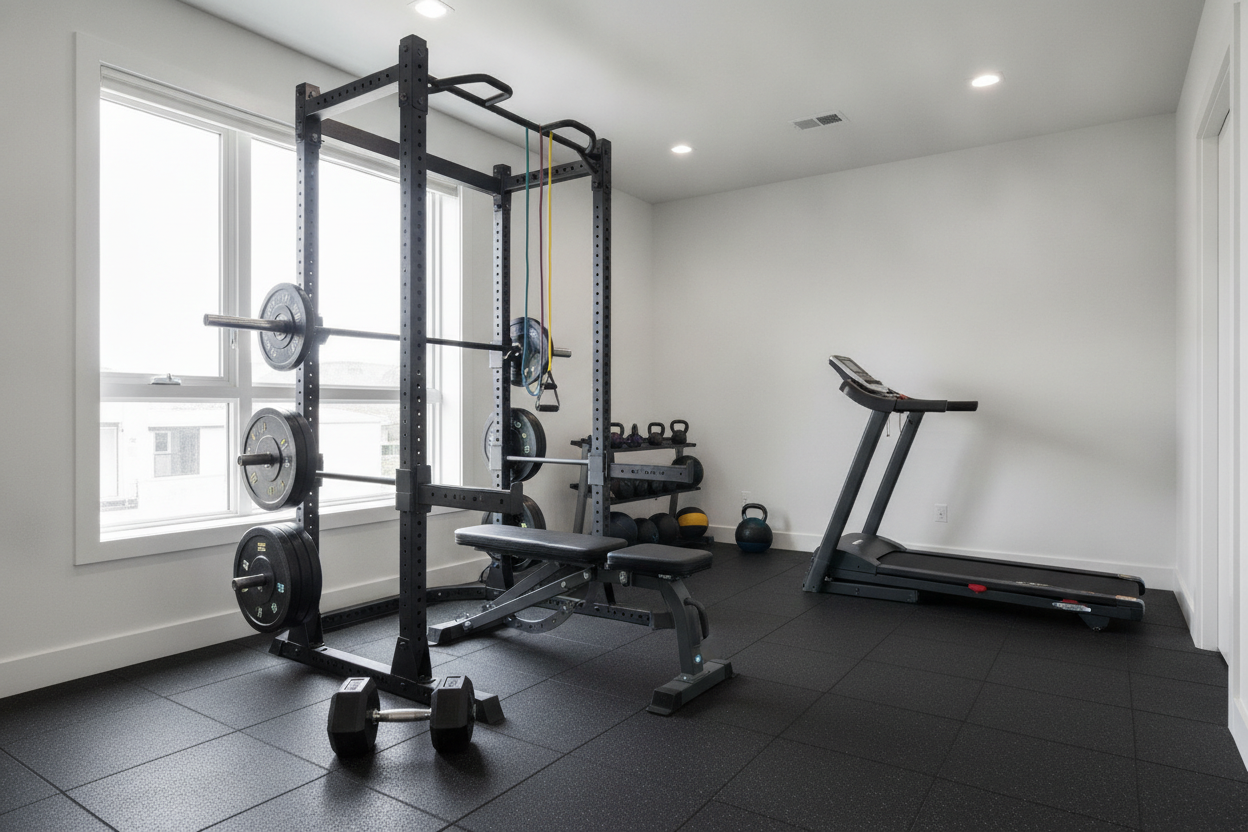
Training to absolute failure alone in a garage is a different beast than training at a commercial gym with a spotter. If you’re going to do this, you need the best home workout equipment for men that can actually catch a failing bar. I’m talking about a rack with 11-gauge steel and reliable spotter arms. Don't try to 'hover' your reps; set those safeties just below your chest height.
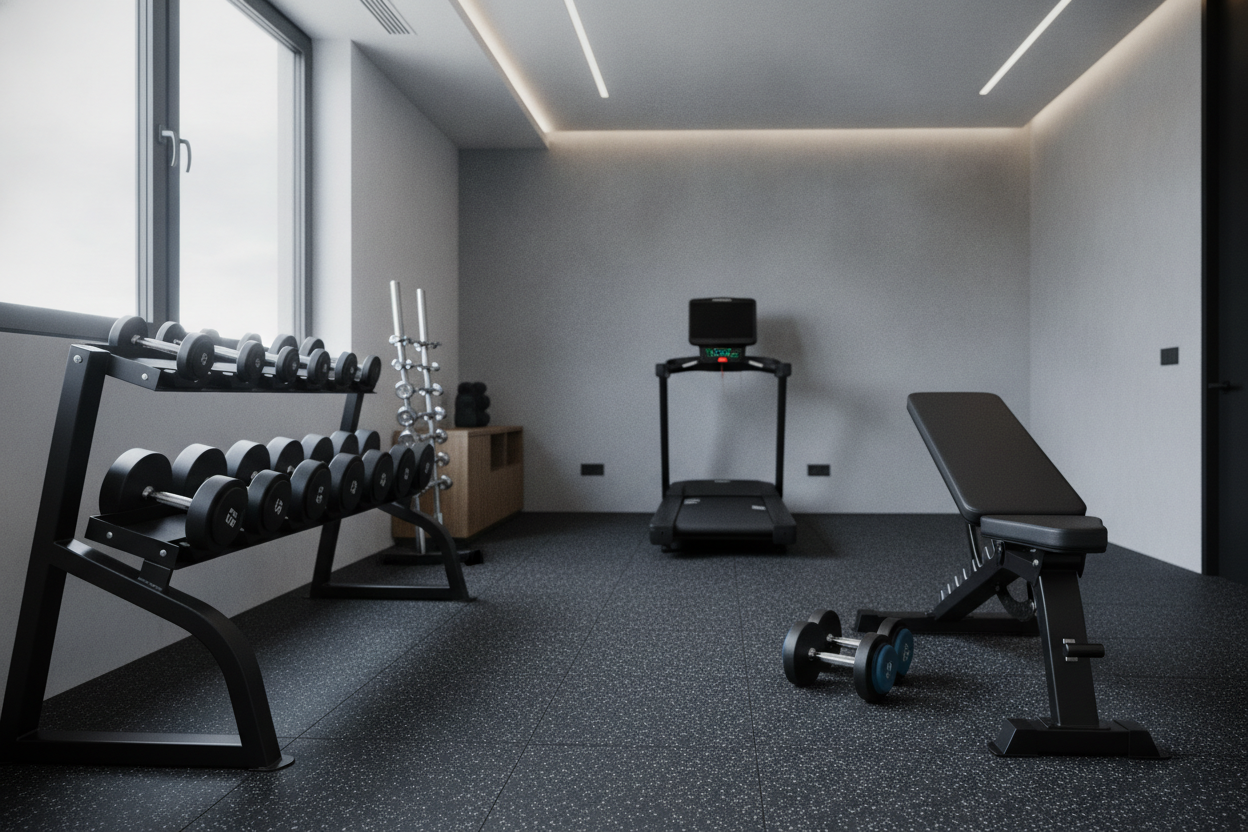
You are also going to drop things. When you hit that third mini-set of rest-pause dumbbell presses and your triceps give out, you need to be able to bail. I’ve cracked my concrete floor before because I was cheap. Investing in a large exercise mat for home gym protection is non-negotiable. It gives you a safe landing zone for dumping weights when you’ve pushed your muscles to the brink. This setup is the only way to figure out how to build muscle quickly for men without ending up in the ER.
A 3-Week Rest-Pause Blueprint for Rapid Size
If you want to know how to gain quick muscle mass, you need to apply this to your big compound movements. For the next three weeks, swap your traditional sets for one 'Top Set' of rest-pause on your primary lifts. For example, on chest day, do your warm-ups, then one set of bench press to failure, rest 15 seconds, failure again, rest 15 seconds, failure again. That is your entire chest workout for that exercise.
For legs, the stakes are higher. You can gain muscle in legs fast by using this on the hack squat or leg press. I don't recommend rest-pause for technical movements like the deadlift—the injury risk is too high when form breaks down. Stick to movements where you can safely reach muscular exhaustion without your spine giving out. You will be sore in places you didn't know existed, but the scale will finally start moving.
Fueling the Fire: You Can't Cheat the Calorie Math
Rest-pause is the spark, but food is the fuel. You can use every high-intensity trick in the book to fast build muscle, but if you are eating like a bird, you will just get smaller and more tired. You need a caloric surplus. I’m talking 0.8 to 1 gram of protein per pound of body weight and enough carbs to keep your glycogen stores from bottoming out.
I’ve made the mistake of 'clean bulking' on 2,000 calories while doing high-intensity training. I felt like a zombie and my lifts stalled. Don't be afraid of the rice and the steak. If you are training with this level of brutality, your body will put those calories to work building tissue, not just storing fat.
How often should I do rest-pause training?
Because the intensity is so high, I wouldn't do it for every exercise. Pick one or two 'main' lifts per session. If you try to rest-pause your entire routine, you will burn out your central nervous system in a week.
Is this safe for beginners?
Honestly? No. You need a solid foundation of form first. If you don't know how to fail a rep safely or your technique breaks down under pressure, stick to standard sets until you have the 'mind-muscle' connection dialed in.
Do I need special supplements?
Creatine monohydrate is the only 'must-have.' It helps with the ATP recovery you need during those 15-second rest periods. Everything else is secondary to hard work and real food.