Stop Calling Your Random Cardio Strength and Conditioning
I have seen it a thousand times: a guy finishes a heavy set of five on the platform, gasping for air, and immediately jumps into a set of 20 box jumps because he wants to 'get his heart rate up.' That is not a program; that is a panic attack. My own garage gym floor has seen its share of stupid experiments, but the biggest mistake I ever made was confusing being 'smoked' with being 'trained.' Real strength a n d conditioning is about more than just surviving a workout.
- Sweat is a byproduct, not the goal.
- Rest intervals are as important as the work intervals.
- Energy systems (aerobic vs. anaerobic) require specific, isolated attention.
- Your equipment layout should facilitate flow, not chaos.
The Difference Between Getting Better and Just Getting Tired
Most people walk into their garage, look at their rack, and decide to 'mix it up.' They think that by combining heavy squats with high-rep kettlebell swings and a 400-meter sprint, they are building a better engine. In reality, they are just creating a massive amount of fatigue that their central nervous system can't process. What is s&c actually designed to do? It is the systematic application of stress to improve specific physical qualities—not just the ability to suffer.
When you just aim to get tired, you lose the ability to produce force. If you're trying to build absolute strength but you're too winded to maintain a neutral spine, you're not getting stronger; you're just practicing bad form under duress. What is strength and conditioning training if not the intentional pursuit of performance? You need to separate the 'strength' from the 'conditioning' enough so that one doesn't cannibalize the other. Training isn't about how you feel when you leave the gym; it's about what you can do the next time you walk back in.
What Actually Defines Strength and Conditioning?
Let's get clinical for a second. The definition of strength and conditioning is the physical and physiological development of athletes for elite sport performance. For those of us in a garage, that means we are the athletes and the sport is life—or maybe just not sucking at the local 5k while still being able to deadlift 400 pounds. It involves periodization, which is a fancy way of saying you have a plan that changes over time so you don't plateau.
If you're constantly redlining, you're ignoring the principles of strength and conditioning. You have three main energy systems: the aerobic, the anaerobic lactic, and the anaerobic alactic. Most 'hard' garage workouts live in the lactic zone—that burning, pukey feeling. But elite athletes spend a massive amount of time in the aerobic zone to build a base and the alactic zone to build power. If you ignore the principles of strength and conditioning, you end up as a 'tweener'—not fast enough to be a runner and not strong enough to be a powerlifter.
A real strength conditioning definition must include intent. Are you training for power? Then you need long rest periods. Are you training for capacity? Then you need sustained, lower-intensity output. Mixing them into a blender is just weightlifting conditioning without a map. You wouldn't try to bake a cake by throwing all the ingredients in the oven at different temperatures for random amounts of time, so don't do it with your body.
Why Your Garage Setup Dictates Your Athletic Potential
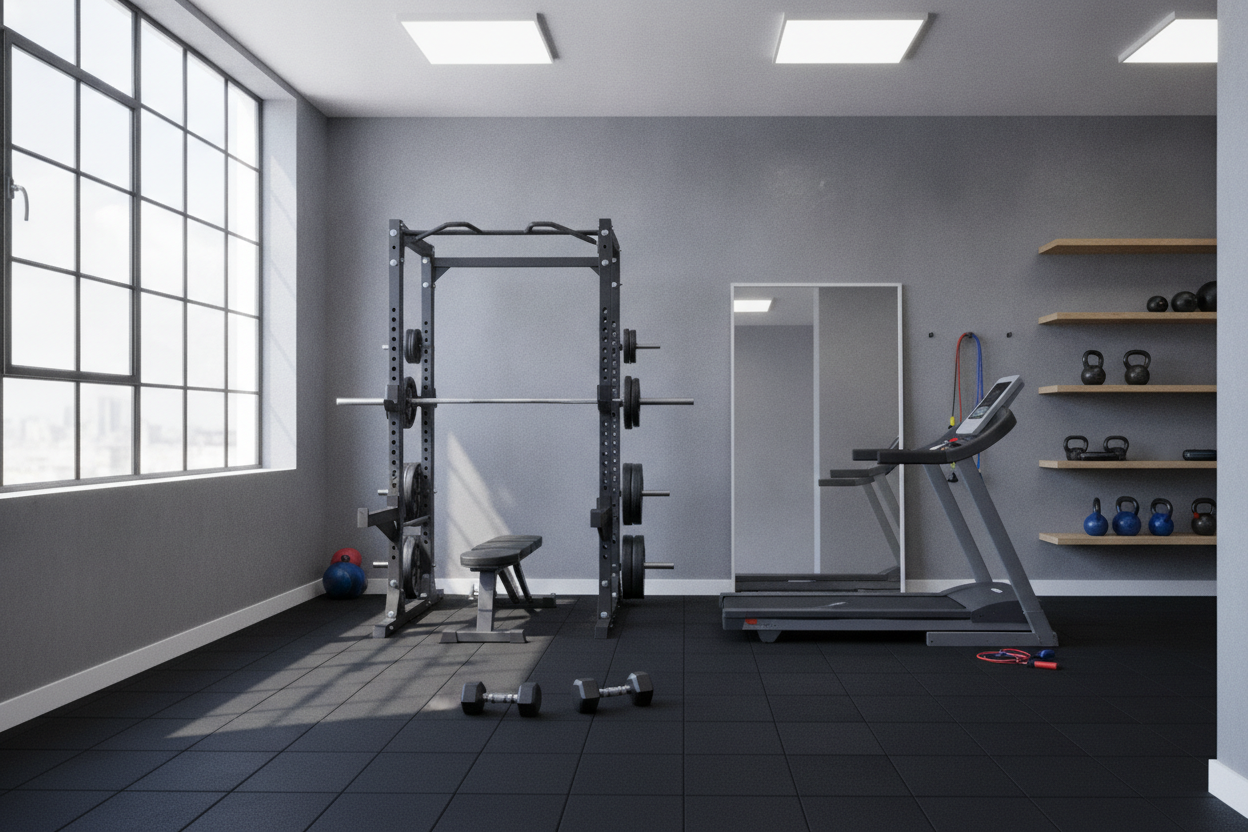
Your environment dictates your behavior. If your squat rack is shoved into a corner behind a lawnmower and your jump rope is buried under a pile of old Amazon boxes, you aren't going to train correctly. You'll default to whatever is easy. To truly master weightlifting and conditioning, you need a layout that allows for transitions. I use a 3x3 power rack with 11-gauge steel because I need to know that if I fail a heavy rep, the spotter arms aren't going to fold like a lawn chair.
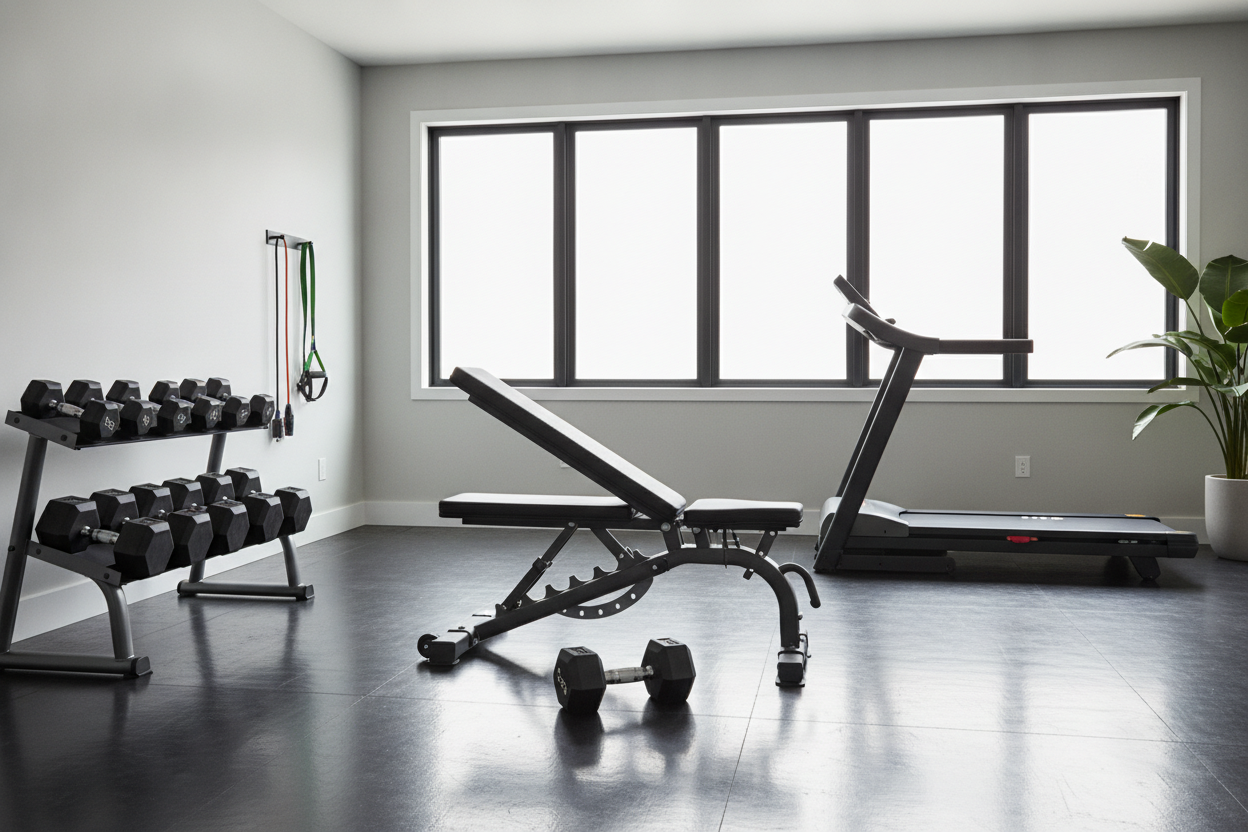
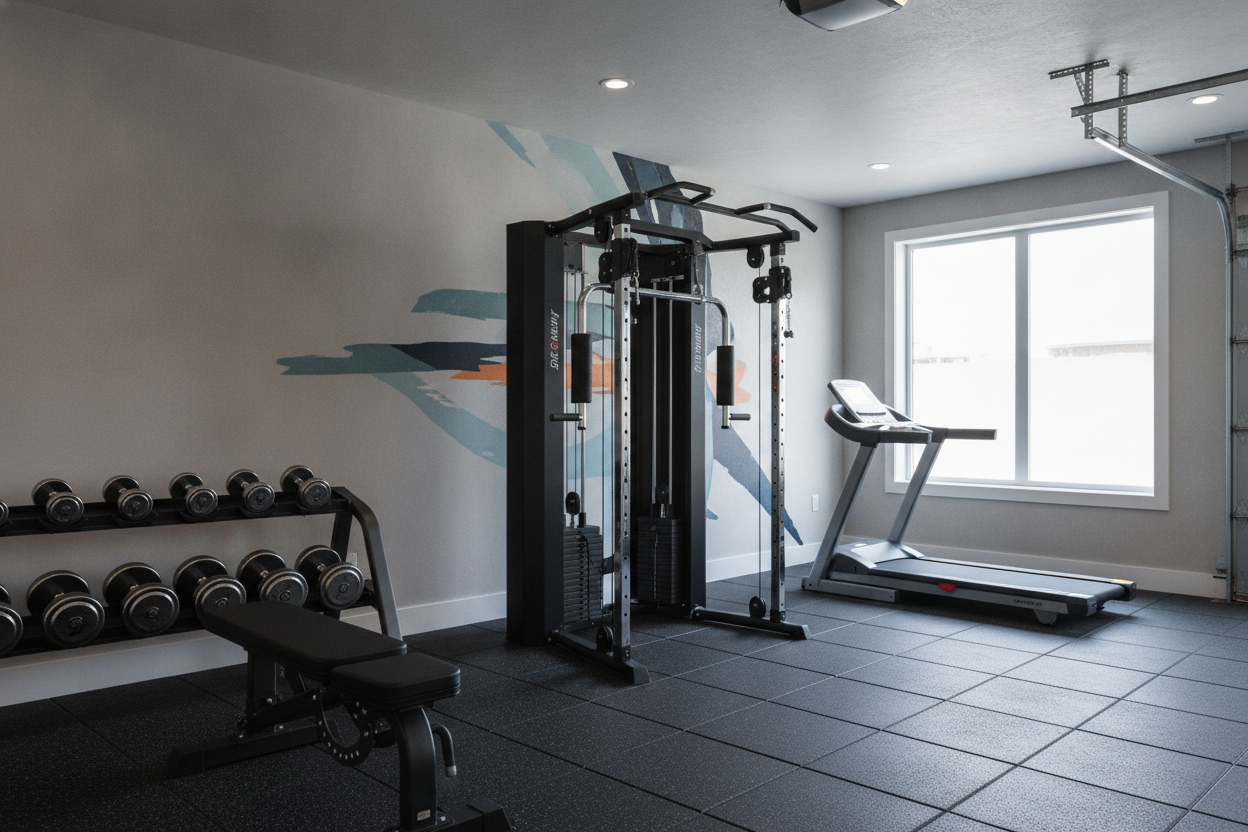
Many high-end strength and conditioning gyms are laid out in 'zones.' You should do the same. Even in a 20x20 two-car garage, you can have a lifting zone and a movement zone. This separation helps you mentally switch gears. When I'm on the platform, I'm focused on force production. When I move to the open floor, I'm focused on heart rate recovery and movement quality. What is strength conditioning without the right space to execute it? It's just a mess.
Don't fall for the trap of thinking you need a 5,000-square-foot facility. You need a barbell, some bumpers, a way to move fast (like a rower or bike), and a bit of floor space. The definition of strength and conditioning doesn't require a six-figure budget; it requires a 100% commitment to the program. I've seen guys build world-class engines with nothing but a 70lb kettlebell and a patch of dirt, provided they understood how to scale their intensity.
Building Your At-Home Engine (Without Breaking the Bank)
If you want to build a real engine, you need to stop doing 'metcons' every day. Start by adding 20 minutes of steady-state nasal breathing work twice a week. It’s boring, but it builds the mitochondrial density you need to recover between heavy sets of squats. For the high-impact stuff, stop jumping on bare concrete. I learned that the hard way when my Achilles started screaming at me after a month of 'plyo' work on a dirty garage floor.
Grab a 6x12 exercise mat for cardio to give your joints some much-needed dampening. It also helps define your 'conditioning zone.' On this mat, you can do your burpees, your mountain climbers, or your heavy kettlebell carries without worrying about slipping on a slick, dusty floor. This is where you develop that strength conditioning capacity. If you're doing weightlifting conditioning, use the mat for the high-rep, high-movement portions of the circuit to save your equipment and your bones.
Specific specs matter here. Don't buy the thin 3mm yoga mats; they’ll tear the first time you do a lateral hop. You want something at least 7mm thick with a non-slip backing. This is a foundational piece of a strength a n d conditioning setup that most people overlook until they're icing their knees every night. Invest in your recovery by investing in your floor.
Stop Overcomplicating the Process
The biggest hurdle to what is strength and conditioning training is the desire to do everything at once. You want a 500lb squat and a sub-20-minute 5k. You can have both, but you can't build both in the same week. Pick one primary strength goal—like increasing your overhead press—and one conditioning goal—like improving your 2,000m row time. Focus on those for six weeks.
Stop searching for the 'perfect' strength and conditioning definition and start looking at your logbook. If your numbers aren't going up and your resting heart rate isn't going down, your 'random cardio' isn't working. What does strength and conditioning mean if it doesn't result in measurable progress? It means you're just a guy making a lot of noise in his garage. Strip away the fluff, focus on the big compound movements, and respect the recovery time. That’s how you actually get athletic.
Personal Experience: The Smolov Disaster
A few years ago, I decided I was going to run the Smolov squat program while also training for a Spartan Race. I thought I was the king of strength a n d conditioning. By week three, I couldn't walk down my stairs without holding the railing, and my squat numbers actually started going backward because my nervous system was fried. I learned the hard way that what's strength and conditioning really about is 'managing' fatigue, not just accumulating it. Now, I program my heavy lifting on separate days from my high-intensity conditioning, and I've never felt better.
FAQ
What is the difference between strength training and conditioning?
Strength training focuses on the ability of your muscles to produce force against resistance. Conditioning focuses on the efficiency of your heart, lungs, and metabolic pathways to provide energy for work and recover quickly between bouts of effort.
How many days a week should I do strength and conditioning?
For most home gym owners, a 4-day split works best. Two days focused on heavy lifting with minimal cardio, and two days focused on conditioning with some light, functional movement. This allows for 72 hours of recovery for each specific system.
Can I do strength and conditioning in a small garage?
Absolutely. You only need about an 8x8 space for a rack and another 6x10 space for movement. Use versatile tools like adjustable kettlebells and sandbags to save space while still hitting all your strength conditioning goals.
Do I need a coach for strength and conditioning?
While a coach helps with form, you can self-program by following established principles of strength and conditioning. Use a logbook, track your RPE (Rate of Perceived Exertion), and don't be afraid to film your lifts to check your technique.