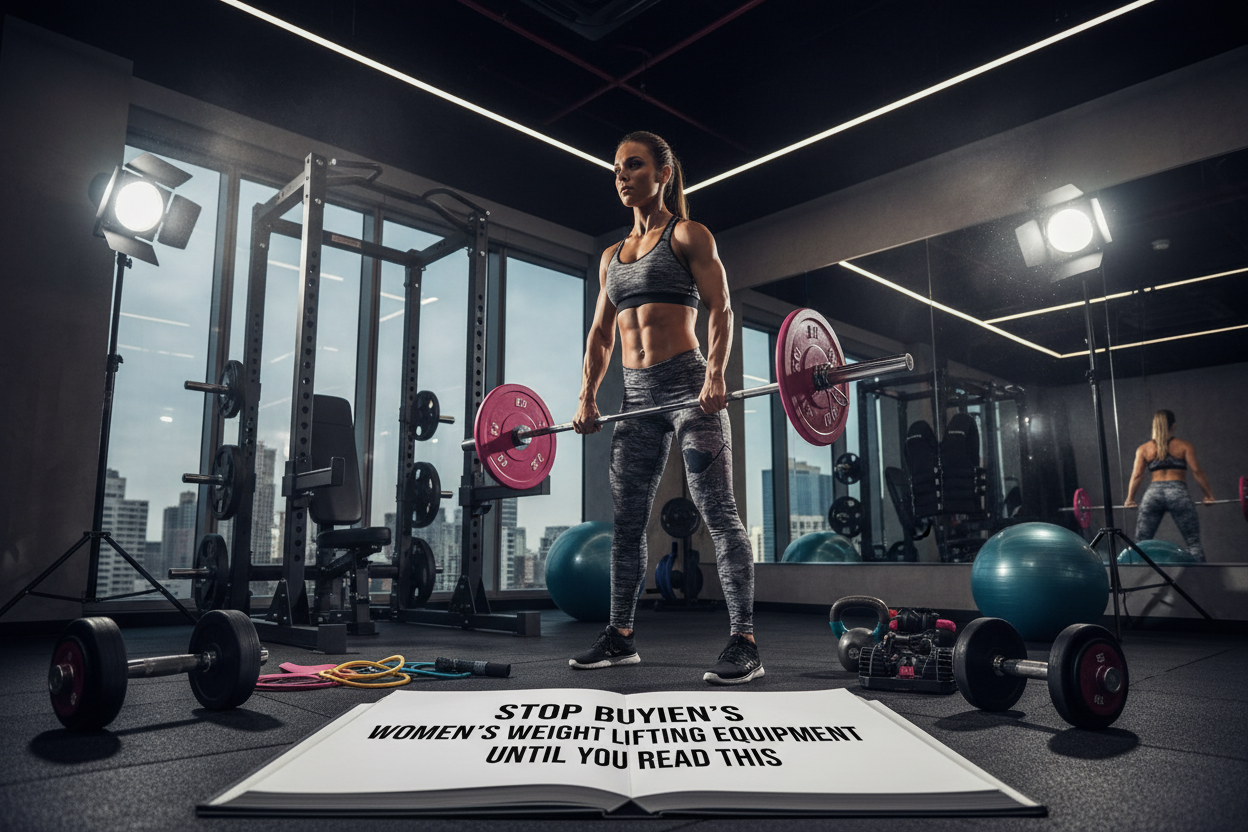
Stop Buying Women's Weight Lifting Equipment Until You Read This
You have seen the marketing. It is usually pink, covered in neoprene, light as a feather, and frankly, insulting to your strength potential. When looking for women's weight lifting equipment, it is easy to fall into the trap of buying products designed for aesthetics rather than performance.
Here is the reality: gravity pulls on a pink dumbbell the same way it pulls on a black cast-iron one. However, anatomy matters. Grip diameter, bar length, and biomechanics play a massive role in how effective your training sessions are. Let’s cut through the marketing fluff and focus on the gear that actually builds muscle.
Quick Summary: Essentials for Your Setup
- The Barbell: Opt for a 15kg women’s bar with a 25mm shaft diameter for better grip security compared to the standard 28-29mm men's bar.
- Adjustable Dumbbells: The best space-saver for progressive overload without cluttering your home.
- Hip Thrust Pad: Non-negotiable for heavy glute bridges to protect your pelvic bone.
- Resistance Bands: Crucial for glute activation and warm-ups before heavy lifting.
- Lifting Belt: Look for a 4-inch width that fits a shorter torso to avoid rib bruising.
The "Pink Tax" vs. Anatomical Necessity
There is a massive difference between equipment painted pink to charge you more, and equipment engineered for female physiology. Understanding this distinction is vital when searching for the best women's exercise equipment.
The most critical piece of engineering is the barbell. A standard Olympic bar weighs 20kg and has a shaft thickness of 28mm to 29mm. For many women, this is too thick to maintain a secure hook grip during heavy deadlifts or cleans. A specific women’s bar weighs 15kg and, more importantly, has a 25mm shaft. This 3-4mm difference sounds small, but it drastically increases your ability to hold onto the bar without relying on straps too early.
Building the Foundation: Strength Gear That Works
Free Weights and Resistance
If you are building a setup, the best women's workout equipment prioritizes versatility. Unless you have a massive garage, avoid fixed dumbbell racks. They take up floor space and cost a fortune.
Instead, invest in high-quality adjustable dumbbells. Look for a mechanism that changes weight instantly (like a dial or pin system). This allows you to perform drop sets and supersets seamlessly. Combine this with a set of fabric resistance bands—not the latex ones that roll up your legs—and you have a complete system for hypertrophy.
The Glute Station
The hip thrust is a staple in modern training, but gym benches are often too high (17-18 inches) for the average woman, causing lumbar hyperextension. The best gym equipment for women's workout routines often includes a dedicated hip thrust bench or a soft box that sits at about 14-15 inches high. This height allows for a full range of motion without straining the lower back.
Home Gym Logistics
When curating women's home fitness equipment, flooring is the unsung hero. You don't need to rubberize your whole house. A simple horse stall mat (usually 4x6 feet) provides enough traction for squats and deadlifts while protecting your floor. It is cheaper and more durable than those interlocking foam puzzle pieces, which tend to separate under heavy load.
Accessories: The Workout Kit for Her
Beyond the heavy iron, your gym bag needs specific tools. Women's fitness products often ignore the torso length issue with lifting belts. A standard 4-inch leather belt might dig into your ribs or hip bones if you have a shorter torso.
Look for a tapered belt (narrower at the front, wide at the back) or a nylon velcro belt. While powerlifting purists prefer leather, a high-quality nylon belt offers enough intra-abdominal pressure support for most lifters without the bruising associated with stiff leather.
My Personal Experience with Women's Weight Lifting Equipment
I need to be honest about the learning curve here. Years ago, I refused to buy a "women's bar" because I thought it was just a lighter, "easier" version for beginners. I spent two years training exclusively with a standard 29mm men's power bar.
The result? My grip failed long before my posterior chain did. I remember the specific frustration of my thumbs slipping during a heavy deadlift session, despite using chalk. The moment I switched to a 25mm Bella bar, my deadlift PR went up by 15 pounds instantly. It wasn't that I got stronger overnight; it was that the equipment finally fit my hands.
Another detail nobody mentions is the knurling (the rough grip pattern) on the center of the bar. Many men's bars have a center knurl that acts like a cheese grater on your collarbone during front squats or cleans. Switching to a bar with no center knurl saved my skin—literally. Don't let ego dictate your gear choices like I did. Fit matters more than the label.
Conclusion
Building a physique requires consistency, and consistency is easier when your equipment isn't fighting against you. Whether you are looking for a workout kit for her or outfitting a garage gym, prioritize fit and function over color. Get the thinner bar, the right-sized belt, and stable shoes. Your lifts will thank you.
Frequently Asked Questions
What is the difference between a men's and women's barbell?
The primary differences are weight and diameter. A women's bar typically weighs 15kg (33lbs) with a 25mm shaft diameter, whereas a men's bar is 20kg (44lbs) with a 28-29mm shaft. The thinner shaft on the women's bar allows for a better grip for smaller hands.
Do I need gloves for weight lifting?
Generally, coaches advise against gloves because they add thickness to the bar, making it harder to grip. They can also prevent callous formation, which is actually necessary for protecting your hands long-term. If your hands hurt, try using chalk instead.
What is the single best piece of equipment for a small home space?
If you only have room for one item, adjustable dumbbells are the gold standard. They replace 15+ pairs of weights and allow you to train every body part effectively, from heavy leg days to isolation arm work.