Stop Buying the Wrong Workout Exercise Machine (Read This First)
Walking into a commercial gym or browsing an online fitness retailer can feel like staring at the cockpit of a fighter jet. There are levers, pulleys, and stacks of iron everywhere. You want to build muscle or lose weight, but finding the right workout exercise machine often leads to analysis paralysis.
Many people make the mistake of buying the first shiny piece of equipment they see on a late-night infomercial, or they stick to the same comfortable machine at the gym for years without seeing results. The truth is, machines are tools, and like any tool, they have specific purposes. Using a hammer to drive a screw won't work, and using a leg press when you need a squat rack might not align with your functional goals.
Quick Summary: Choosing Your Gear
If you are in a rush, here are the core factors determining which machine fits your needs:
- Biomechanics over Brand: The pivot points of the machine must align with your body's natural joints to prevent injury.
- Resistance Profile: Good machines provide constant tension throughout the rep, whereas poor ones have "dead spots" where the weight feels weightless.
- Footprint vs. Utility: For home setups, multi-functional cable stacks often beat single-station machines.
- Adjustability: If the seat and handles don't adjust to your limb length, you cannot target the muscle effectively.
The Science of Machine Selection
Not all equipment is created equal. Whether you are looking at an exercise machine for gym use or a compact unit for your garage, understanding the mechanics is crucial.
Isolation vs. Stability
The primary benefit of a machine is stability. Unlike free weights, where your stabilizer muscles work overtime to keep you from falling over, a machine locks you into a fixed path of motion. This allows you to drive maximum output into the target muscle without worrying about balance.
However, this is also a drawback if used exclusively. If you rely solely on an exercise machine, your smaller stabilizer muscles may lag behind your prime movers, leading to imbalances.
The Friction Factor
When evaluating exercise weight machines for home, pay attention to the friction. Commercial machines use high-end bearings and Kevlar belts. Cheaper home units often use nylon bushings and plastic-coated cables. High friction reduces the eccentric (lowering) load, which is actually the most important part of the movement for muscle growth. If the weight stack "sticks" on the way down, you are robbing yourself of gains.
Home Gym vs. Commercial Facility
The context of where you train dictates what you should use or buy.
Equipping the Home Gym
Space is the enemy here. Home exercise weight machines need to be versatile. A functional trainer (dual cable stack) is often the gold standard. It allows you to perform pressing, pulling, and leg movements in a 4x6 foot area. Avoid the "all-in-one" contraptions that promise 50 exercises but do none of them well. It is better to have one piece of equipment that performs three movements perfectly than one that performs twenty movements poorly.
Navigating the Commercial Gym
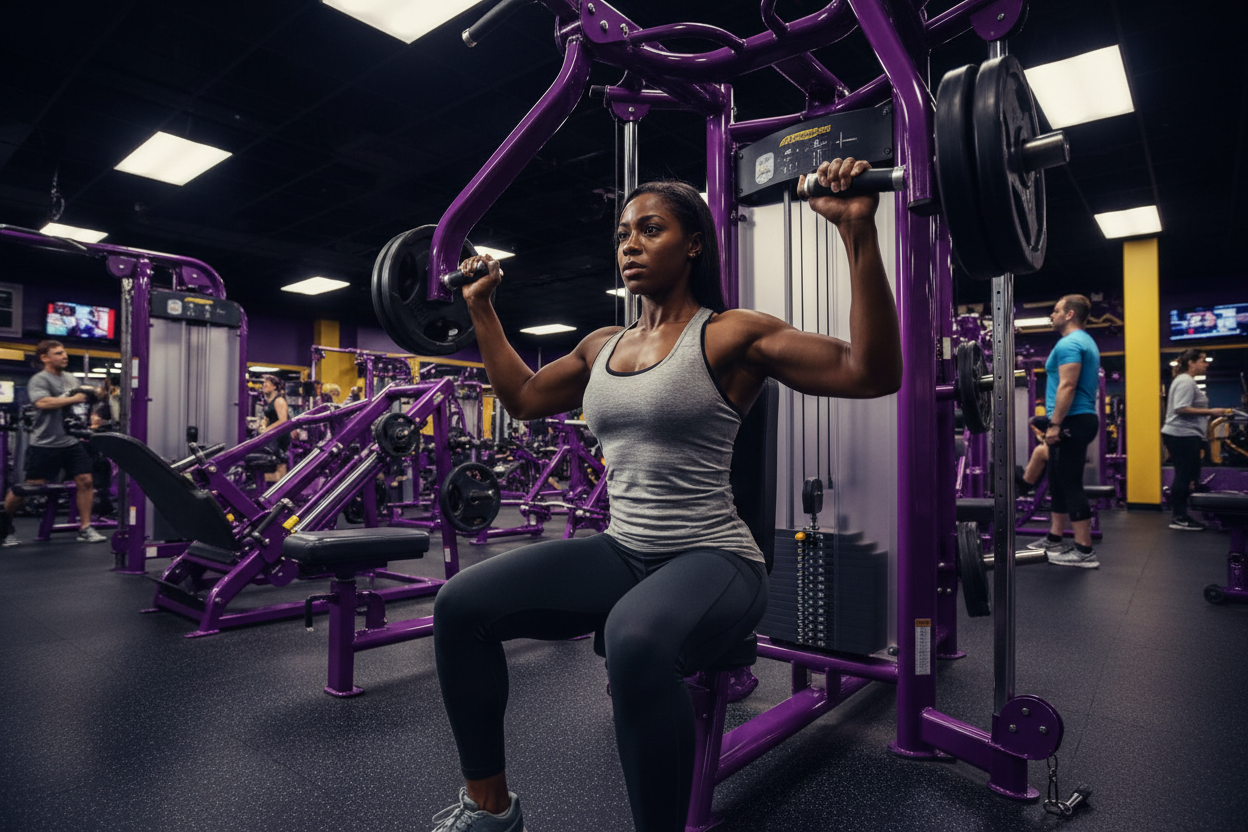
In a large facility, you have the luxury of specificity. Look for an exercise machine gym setup that includes plate-loaded ISO-lateral machines. These allow you to move each limb independently, ensuring your dominant side doesn't do all the work—a common issue with selectorized (pin-loaded) machines.
Modern Tech and Smart Machines
If you are looking for an exercise machine new on the market, you will likely encounter "smart" gyms. These use magnetic resistance and AI algorithms to adjust the weight for you. While convenient, they often lack the "heavy" feeling of iron. However, for those with joint issues, the smooth, inertia-free resistance of digital motors can be a game-changer for longevity.
My Training Log: Real Talk
I need to be honest about my history with home equipment. A few years ago, I bought a budget-friendly multi-gym station for my garage—one of those exercising machines for home that claimed to replace a full commercial setup.
The marketing photos looked great. The reality? Not so much. The specific issue wasn't the weight limit; it was the "drag." I remember trying to do tricep pushdowns, and the cable friction was so bad that the weight stack would literally shudder on the way up. It felt like I was fighting the pulley system, not the gravity. Worse, the leg extension pivot point didn't line up with my knees. Every rep caused a weird grinding sensation in my patella tendon because the machine forced my shin to move in an arc that my leg didn't want to follow.
I ended up selling it for pennies on the dollar and buying a simple squat rack and a high-quality adjustable bench. The lesson? A gritty, smooth cable pull is worth paying extra for. If you have to douse the guide rods in silicone spray before every workout just to get a smooth rep, it’s not worth the space it takes up.
Conclusion
Whether you are browsing exercising machines for home or planning your route through the local health club, remember that the machine is there to serve your physiology, not the other way around. Prioritize smooth motion, proper fit, and stability. Don't get distracted by bells and whistles if the fundamental movement feels awkward.
Frequently Asked Questions
Can I build real muscle with just machines?
Absolutely. Your muscles do not know if you are holding a barbell or pushing a machine lever; they only detect tension. As long as you apply progressive overload (adding weight or reps over time), machines are highly effective for hypertrophy.
What is the best exercise machine for belly fat?
There is no specific machine that spot-reduces belly fat. While machines like rowers or ellipticals burn calories, fat loss comes from a caloric deficit. Use machines to build muscle, which increases your metabolic rate, helping you burn more fat at rest.
Are home weight machines safer than free weights?
Generally, yes. Home exercise weight machines reduce the risk of being crushed by a failed lift since the weight stack is contained. However, overuse injuries are still possible if the machine forces your joints into unnatural positions due to poor design.