Stop Buying Gear Before Beginning Strength Training at Home
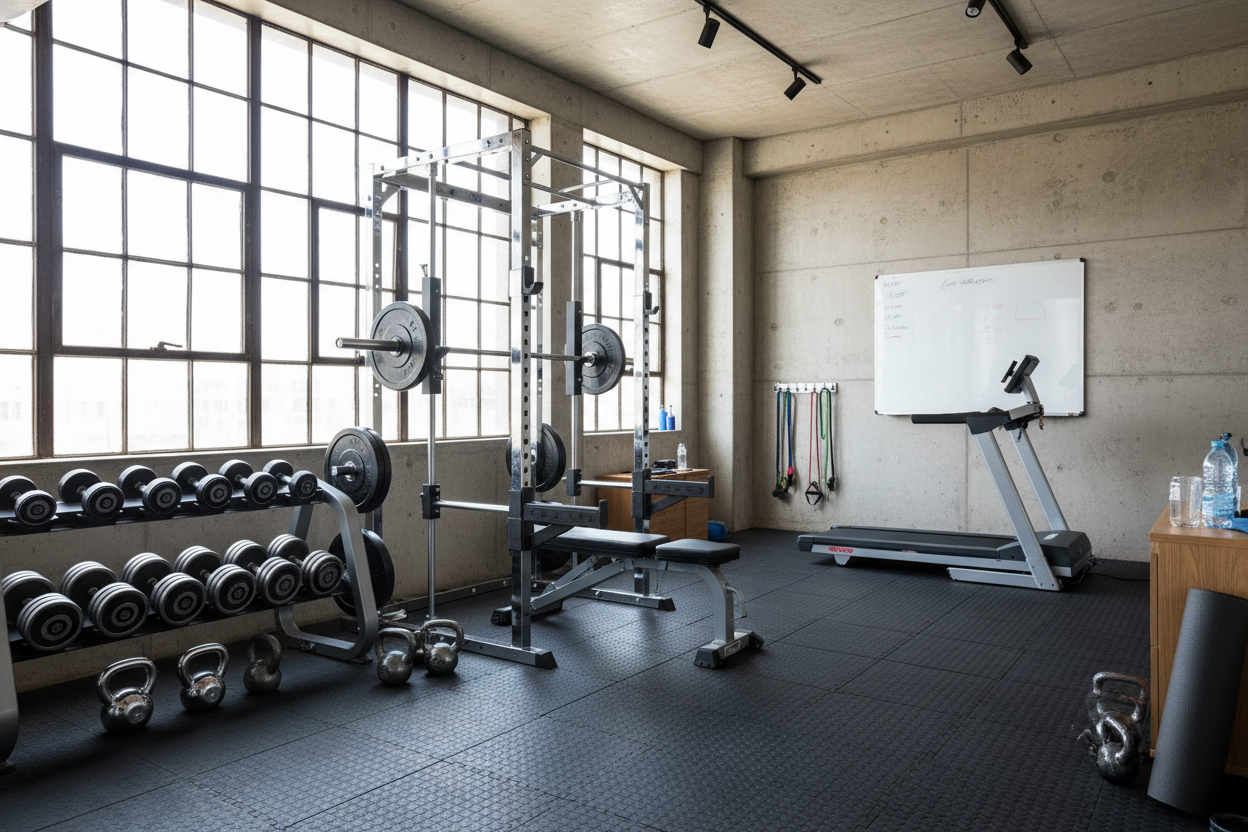
I remember the night I almost spent two grand on a Rogue rack and a competition-grade barbell while sitting on my couch in my pajamas. I hadn't done a single squat in six months, yet I was convinced that high-end knurling was the missing piece of my fitness puzzle. beginning strength training at home doesn't require a commercial-grade setup on day one. In fact, buying too much too soon is a great way to end up with a very expensive laundry rack.
- Master your body weight before adding external load to protect your joints.
- Prioritize a stable, non-slip floor surface over heavy iron.
- Focus on the 'Big Four' movements: squat, hinge, push, pull.
- Consistency in week three matters more than your equipment list in week one.
- Only buy weight once you can do 20 perfect reps of a bodyweight movement.
The 'Day One' Trap: Why We Buy Instead of Lift
Retail therapy is a hell of a drug. When we decide to start training, our first instinct is to acquire things. We think if we own the gear, we become the person who uses it. This is the 'Day One' trap. You spend three hours researching the tensile strength of different barbells instead of doing twenty minutes of lunges in your living room.
Mastering your own body weight is the true entry fee. If you can't control your descent into a deep squat or hold a solid plank for sixty seconds, a 45-pound bar is just going to mask your compensations until something snaps. Your first goal isn't to lift heavy; it's to build the tendon durability required to eventually handle the heavy stuff.
Your Floor Is Your First Real Piece of Equipment
If you're trying to learn at home beginner strength training on a slippery hardwood floor or a plush carpet that shifts under your feet, you're going to hate it. Stability starts at the ground. If your feet are sliding during a push-up or your ankles are wobbling on carpet during a lunge, your brain will subconsciously cut power to your muscles to keep you from falling.
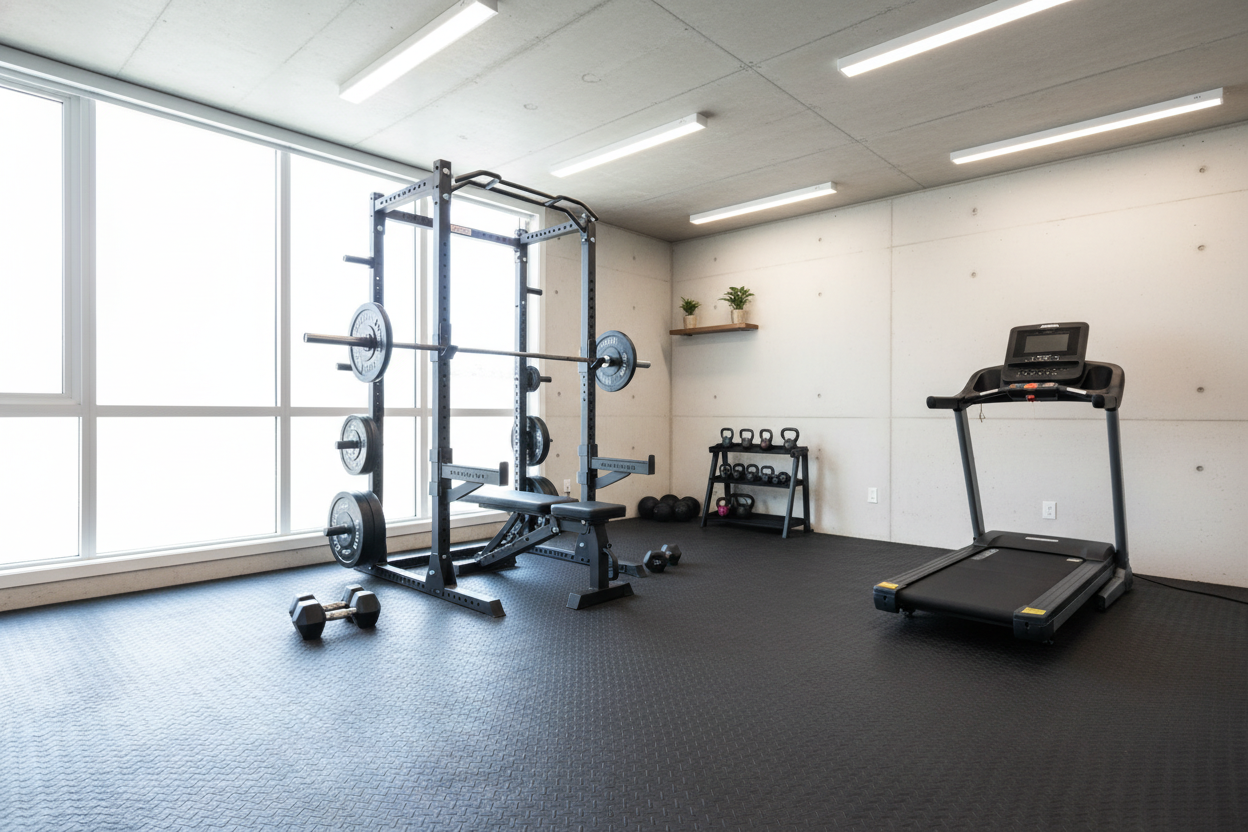
Before you buy a single dumbbell, get a dedicated training surface. A high-traction, high-density 6X8Ft Exercise Mat Yoga Mat Gym Flooring For Home Workout is the best investment you can make. It defines your 'gym' space and gives you the grip needed to actually drive force into the floor without worrying about your shins meeting the coffee table.
Finding the Best At Home Strength Training Workouts for Beginners
Stop looking for 'advanced' 6-day splits from influencers who have been training for a decade. For beginners strength training at home, complexity is the enemy of progress. You need a routine that you can memorize in five minutes so you can focus on how your muscles feel, not what the next slide on your phone says.
A solid beginners strength training routine at home should revolve around four basic movements. Squat (sit down and stand up), Hinge (push your hips back like you're closing a car door with your butt), Push (push-ups or overhead presses), and Pull (rows or chin-ups). If you do three sets of each, three times a week, you'll see more progress than the guy with the $5,000 rack who only uses it once a month.
Why You Need to Master the Hinge and Squat First
Your lower body is your engine. Most beginners at home strength training struggle with the hinge—the movement used for deadlifts. We spend so much time sitting that we forget how to use our glutes. Practice hinging by standing a few inches from a wall and reaching back with your hips until your butt touches it. Keep your spine straight. Once that feels natural, you've earned the right to pick up a kettlebell.
The Real Secret: Surviving Weeks Two and Three
Week one is easy because you're fueled by the 'new year, new me' dopamine. Week three is where the wheels usually fall off. You're sore, the house is cold, and the couch looks better than the floor. This is why I wrote about How I Finally Stuck to a Strength Training Routine at Home—it’s about systems, not motivation.
Don't wait for the 'perfect' time. If you only have ten minutes, do ten minutes of beginner resistance training at home. The goal is to prove to yourself that you are the type of person who doesn't miss a session. Once the habit is locked in, the results become inevitable.
Graduating: When to Actually Spend Your Money
Eventually, your body weight won't be enough. That's a good problem to have. When you can breeze through 15-20 reps of bodyweight squats with perfect form, it's time to add load. You don't need a full rack of dumbbells yet. A single adjustable pair or a few select kettlebells will take you very far.
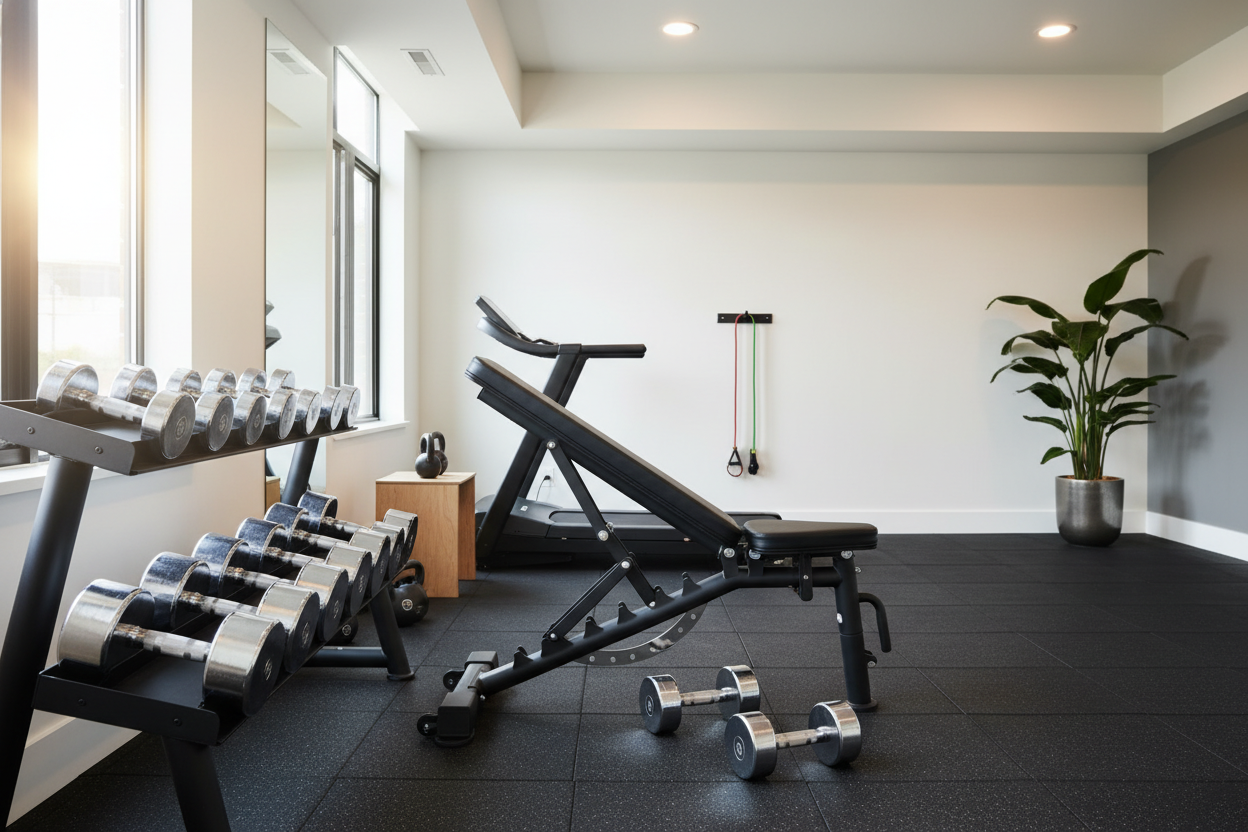
I usually recommend starting with a debate: Dumbbells vs Kettlebells for At Home Strength Training Exercises. Dumbbells are better for traditional muscle building, while kettlebells are king for explosive movements and conditioning. If you're tight on space, grab some Strength Training Accessories like heavy-duty resistance bands. They add 'variable resistance,' meaning the move gets harder as you reach the top, which is great for building joint stability without the bulk of iron plates.
Personal Experience: My $300 Mistake
I once bought a cheap, generic adjustable bench from a big-box store because it was on sale. The first time I tried to do a chest press, the thing wobbled so hard I thought I was going to tip over. I realized then that I would have been better off just doing floor presses on my mat until I could afford a real, 11-gauge steel bench. Don't buy 'cheap' versions of heavy gear. Buy high-quality versions of the simple gear first.
FAQ
Do I need shoes for home strength training?
Honestly? No. Training barefoot or in socks on a grippy mat helps build foot and ankle strength. If you want shoes, stick to flat soles like Vans or Chuck Taylors rather than squishy running shoes which kill your balance.
How do I know if my form is right?
Record yourself. Set your phone up on the floor and film a set from the side. Compare it to a reputable tutorial. You'll often see your back rounding or your knees caving in before you ever feel it.
Can I build real muscle without a barbell?
Absolutely. Your muscles don't know the difference between a 45-lb iron plate and a 45-lb sandbag or a heavy resistance band. They only know tension. If you provide enough tension and eat enough protein, you will grow.