Stop Buying Cardio Equipment at Home Until You Read This
You want to get fit, but the commute to the commercial gym kills your motivation before you even tie your shoes. That is usually the moment people decide to invest in cardio equipment at home. It seems like the perfect solution: zero travel time, open 24/7, and no waiting for the elliptical.
However, the reality often looks different. We have all seen the treadmills turned into expensive clothes racks or the exercise bikes gathering dust in the basement. Building an effective home gym isn't just about buying the most popular machine on Amazon; it is about matching biomechanics, floor space, and noise levels to your actual lifestyle. Let’s break down how to make a choice you won't regret.
Key Takeaways: Choosing the Right Gear
- Measure Your "Active" Footprint: Don't just measure the machine's dimensions; account for the clearance needed for moving arms (ellipticals) or dismounting safely.
- Noise Tolerance is Critical: Magnetic resistance home cardio machines are silent; air and friction resistance machines can be louder than a washing machine.
- Biomechanics Over Features: A fancy screen doesn't matter if the stride length on an elliptical is too short for your height.
- Maintenance Reality: All cardio equipments for home require upkeep. Belt lubrication and bolt tightening are mandatory, not optional.
Analyzing Space and Mechanics
The biggest mistake I see clients make is underestimating the footprint of home gym cardio equipment. A treadmill might look sleek in a warehouse store, but inside a spare bedroom, it dominates the space.
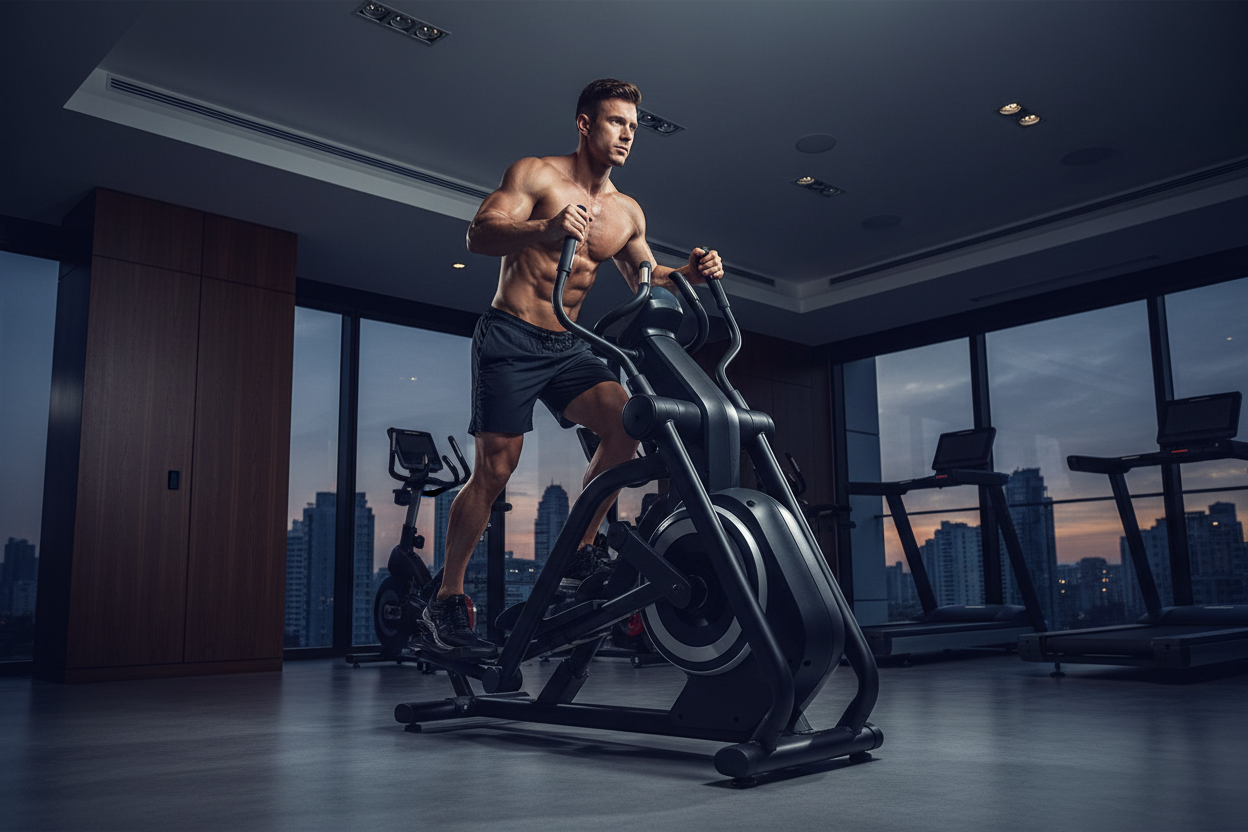
When evaluating indoor cardio equipment, you must calculate the "live area." For example, a rower requires length, but it sits low. An elliptical requires vertical clearance. If you have low ceilings (under 8 feet), many home aerobic exercise equipment options will have you hitting your head during the apex of the movement. Always add 12 inches to your height plus the pedal height at its highest point.
The Noise Factor: Magnetic vs. Air
If you live in an apartment or have a sleeping baby nearby, the type of resistance mechanism in your cardio device matters more than the calorie counter. Fitness cardio machines generally use one of three resistance types:
- Air Resistance: Found in rowing machines and air bikes. These provide infinite resistance but generate significant wind noise.
- Friction: Common in budget spin bikes. It involves a pad pressing on a flywheel. It’s quiet initially but can develop a squeak over time.
- Magnetic: The gold standard for in home cardio equipment. It is virtually silent and requires less maintenance, making it ideal for shared living spaces.
Matching the Machine to the Goal
Not all cardio workout machines for home deliver the same stimulus. You need to align the hardware with your physiological goals.
For Low Impact and Recovery
If your joints cranky, heavy pounding on a treadmill isn't the answer. Cardio home machines like recumbent bikes or ellipticals remove the ground reaction force. A rower is a fantastic multi purpose cardio machine because it builds posterior chain strength while taxing the cardiovascular system, all without impact.
For Metabolic Conditioning
If you have limited time and need high intensity, look at stationary workout equipment designed for bursts. An air bike (often called an "assault bike") is arguably the most efficient at home cardio machine for stripping body fat. It engages both arms and legs, spiking your heart rate faster than almost any other tool.
My Training Log: Real Talk
I want to share a specific experience I had with cardio machines for home that specs sheets won't tell you. A few years ago, I bought a mid-range spin bike. It looked great on paper—heavy flywheel, decent monitor.
But the first time I stood up to climb out of the saddle, I felt it: the wobble.
It wasn't that the bike was going to tip over, but there was this slight lateral flex in the handlebars because the welding wasn't rigid enough. It sapped my confidence to push hard. Furthermore, the friction pad smelled like burning felt after 20 minutes of high resistance. That specific smell lingered in my home office for hours. These are the nuances of home workout equipment cardio—stability and sensory details matter just as much as the price tag. I eventually swapped it for a magnetic resistance bike with a welded steel frame, and the difference in stability was night and day.
Conclusion
Building a setup with cardiovascular workout equipment is an investment in your longevity. Whether you choose a rower, a treadmill, or a simple bike, the best machine is the one you actually use. Ignore the flashy ads for home fitness equipment cardio that promise miracles. Focus on solid construction, appropriate size for your room, and a movement pattern that feels good on your joints.
Frequently Asked Questions
What is the best cardio equipment for small apartments?
For tight spaces, foldable rowing machines or vertical climbers are excellent indoor cardio machine options. They offer full-body conditioning but can be stored upright or under a bed, unlike bulky treadmills.
Is a multi-purpose cardio machine worth the money?
Generally, yes. Machines like rowers or air bikes act as home gym cardio machine hybrids that offer both strength endurance and aerobic conditioning, giving you a better return on investment than single-movement devices.
How often should I maintain my at home cardio equipment?
You should wipe down sweat after every use to prevent corrosion. For mechanical maintenance, check the bolts on your cardio home exercise equipment monthly and lubricate chains or belts every 3 to 6 months depending on usage frequency.