Stop Building Your Machine Home Setup Like This (Read First)
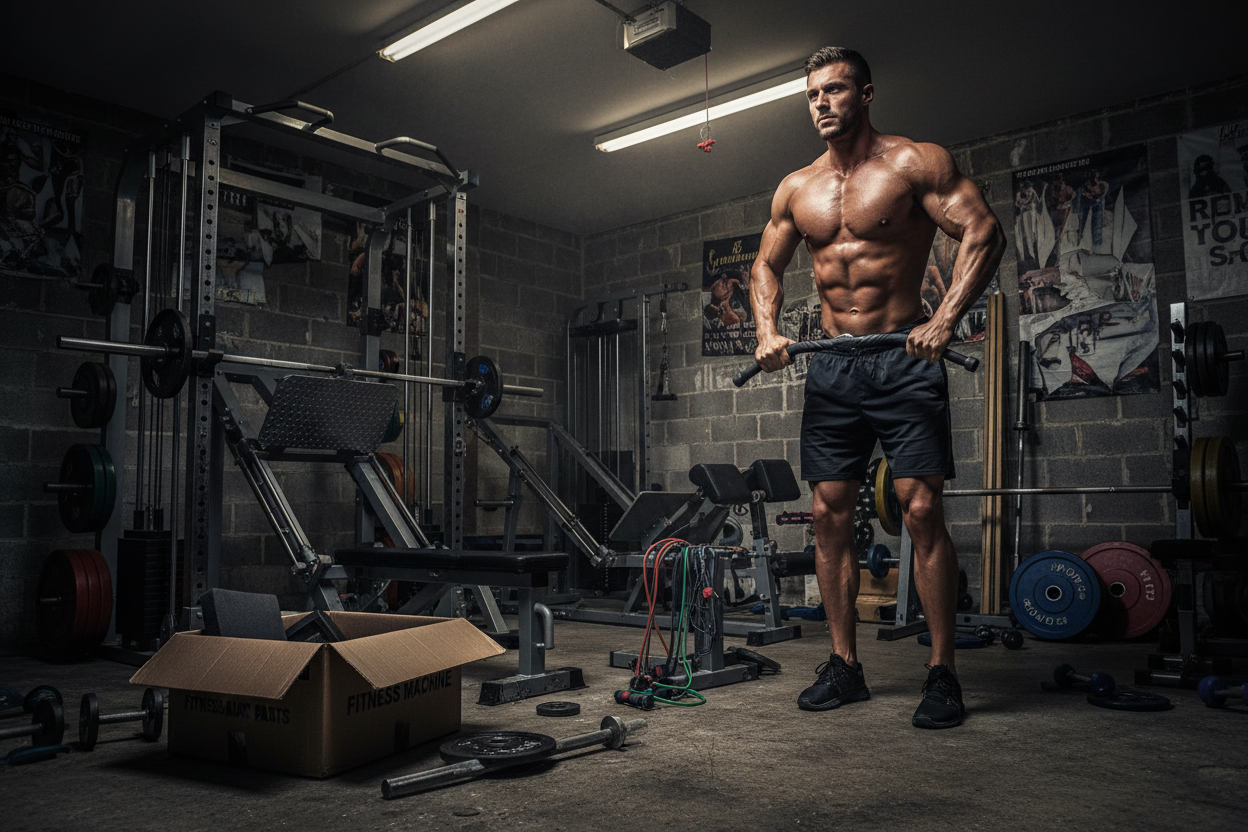
Most garage gym enthusiasts are obsessed with power racks and barbells. It makes sense; they are versatile and relatively cheap. But there comes a point in your training career when gravity-based free weights aren't enough to isolate specific muscles or work around injuries. This is usually when you consider bringing a machine home to complete your setup.
However, the transition from commercial gym selectorized equipment to residential gear is fraught with expensive mistakes. You don't have the luxury of 5,000 square feet, and you certainly don't have a commercial facility's budget. Let’s look at how to integrate machinery into your home space without wasting money on heavy paperweights.
Key Takeaways
- Prioritize Versatility: In a home setting, a functional trainer (cable machine) offers a higher ROI than single-station machines like a leg press.
- Check the Footprint: Measure not just the floor space, but the vertical clearance and the "working area" required for moving parts.
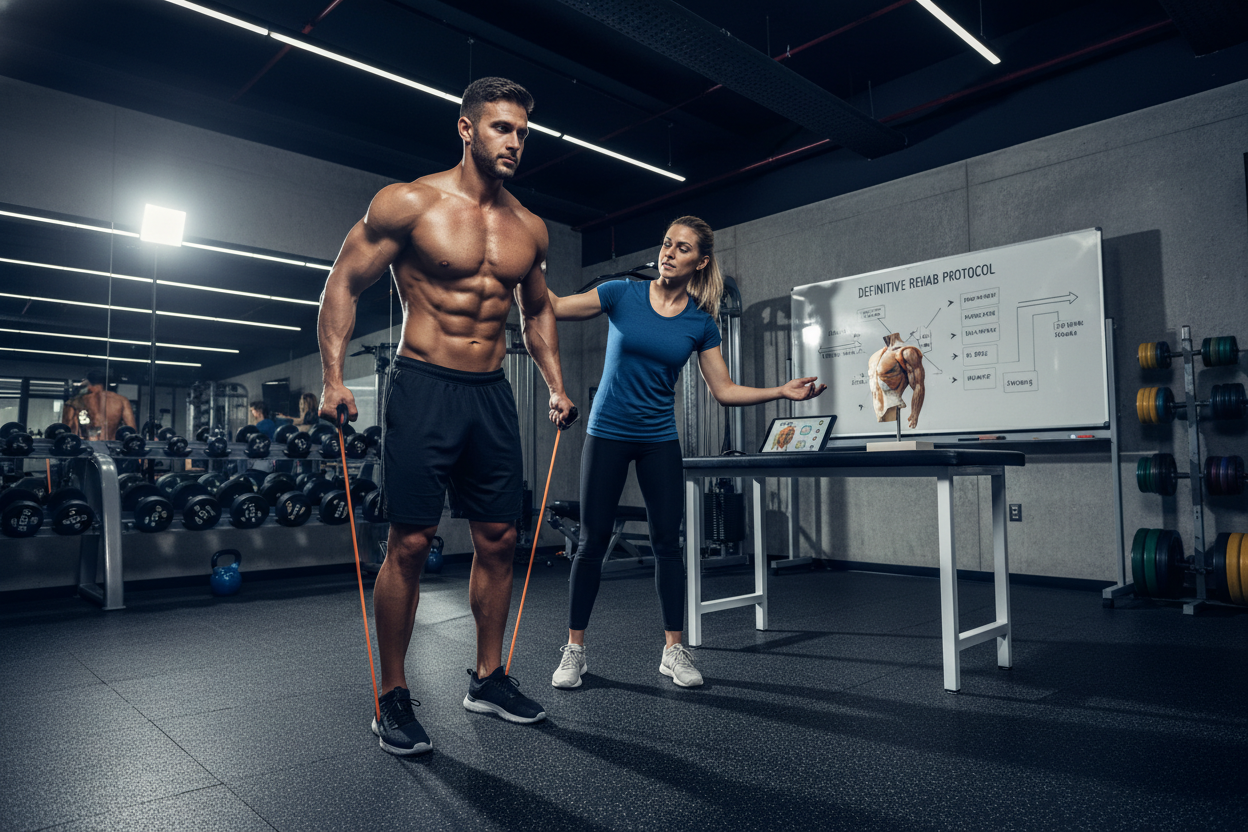
- Resistance Profiles Matter: Machines provide constant tension that free weights cannot, specifically aiding in hypertrophy and injury rehabilitation.
- Weight Stacks vs. Plate Loaded: Plate-loaded machines save money but require more time to load; selectorized stacks are faster but cost significantly more.
The Argument for Machines in a Home Gym
For years, the "hardcore" narrative suggested that all you need is a barbell. While compound movements are the foundation of strength, they have limitations. Biomechanically, free weights have a specific strength curve—they are heaviest when the lever arm is longest (usually the bottom of a rep) and lightest at the top.
Machines solve this. A well-engineered cable column or lever machine allows you to match the resistance profile to your muscle's strength curve. This isn't just about comfort; it is about stimulating muscle fibers through the entire range of motion, which is critical for advanced hypertrophy.
The Space-to-Utility Ratio
When you bring a machine into your home, it must fight for its square footage. A dedicated chest press machine takes up 15 square feet and does exactly one thing. In contrast, a functional trainer or a wall-mounted cable pulley system takes up less floor space but allows for tricep pushdowns, face pulls, lat raises, and bicep curls.
If you have limited space, avoid single-station machines unless you are a competitive bodybuilder with a specific lagging body part. Instead, look for "hybrid" pieces, such as rack-attached lat pulldowns or lever arms that attach to your existing squat stand.
Common Purchasing Mistakes
The biggest error I see is buying cheap multi-gyms found at big-box department stores. These units often use low-quality pulleys and vinyl-coated cables that create friction.
The "Drag" Factor
Cheap machines have high internal friction. If a weight stack says 100lbs, but the pulleys are stiff, the concentric (lifting) phase might feel like 120lbs, while the eccentric (lowering) phase feels like 80lbs. This kills the effectiveness of the exercise. Always look for machines with sealed bearing pulleys and high-tensile aircraft cables.
My Training Log: Real Talk
I want to be transparent about what actually happens when you buy budget machinery. Three years ago, I bought a plate-loaded leg extension/curl combo from a mid-tier brand because I missed the pump I got at the commercial gym.
On paper, it looked perfect. In reality, the axis of rotation was slightly off. Every time I hit the top of a leg extension, the shin pad would roll halfway up my leg, scraping my skin. I had to stop every set to readjust. Worse, the weight horn rattled so loudly it woke up my kids upstairs.
But the real deal-breaker was the "sticking point." Because the pivot point wasn't lubricated with high-end bushings, there was a gritty sensation at the start of the movement. It didn't feel like muscle tension; it felt like I was grinding gears. I ended up selling it for a loss two months later. Lesson learned: if you buy a machine, buy it for the smoothness, not just the price tag. If the movement isn't glass-smooth, you won't use it.
Conclusion
Building a machine home setup is the ultimate luxury for a lifter, but it requires strategic planning. Focus on functional trainers or rack attachments first. Prioritize smooth pulleys over heavy weight stacks. Remember, the best equipment is the kind that removes barriers to your workout, rather than adding friction to it.
Frequently Asked Questions
1. Is a functional trainer worth the money for a home gym?
Yes. It is arguably the most valuable piece of equipment after a squat rack. It allows for hundreds of movement variations and provides constant tension, which complements the gravity-based resistance of barbells and dumbbells.
2. Can I put heavy machines on a second floor?
This depends on the structural integrity of your home. A standard weight stack machine can weigh 400-600lbs, plus your body weight. While many floors can handle this if the weight is distributed near load-bearing walls, you should consult a structural engineer before placing heavy concentrated loads upstairs.
3. Plate-loaded vs. Selectorized: Which is better for home?
Plate-loaded is generally better for home gyms because it is cheaper, lighter to ship, and easier to repair. Selectorized (weight stack) machines are more convenient for drop sets and quick changes, but they are significantly heavier and more expensive to move.