Stop Adding Five Pounds: The Truth About Weightlifting Progress
I spent my first two years in a garage gym convinced that if I didn't add five pounds to the bar every single week, I was wasting my time. I’d grind out shaky, half-depth squats just to satisfy a spreadsheet. Eventually, my elbows started screaming and my weightlifting progress hit a wall that no amount of caffeine or loud music could break.
Most of us start with a basic linear program, and it works—until it doesn't. Chasing a number instead of a stimulus is the fastest way to stall out and get hurt. If you are stuck in the cycle of adding weight just to fail the set, it is time to change your strategy.
Quick Takeaways
- Linear progression is for beginners; intermediate lifters need more variables than just weight.
- Adding reps or slowing down your tempo counts as legitimate progress.
- CNS fatigue is often the hidden culprit behind a stagnant bar.
- Safety gear isn't just for protection; it provides the psychological 'green light' to lift heavy.
The Linear Progression Trap (And Why We All Fall For It)
The 'add five pounds' rule is the ultimate beginner's drug. It’s simple, it’s measurable, and it provides instant gratification. But progression in weight training eventually hits a point of diminishing returns. You can't add 250 pounds to your bench every year, or we'd all be world record holders by year three.
The trap happens when you prioritize progression weights over movement quality. You start leaning forward in your squats or using momentum on your rows just to hit that arbitrary +5. You aren't getting stronger; you're just getting better at cheating. This ego-driven weight lifting progression is exactly how chronic joint pain starts.
When the Bar Refuses to Move: Recognizing a Real Plateau
There is a massive difference between a 'gravity is heavy today' session and a genuine halt in weight training progression. If you have one bad workout, you probably just didn't sleep enough or your hydration was off. Don't overreact and change your entire program because of one flat Monday.
A real plateau is when your strength progress stays flat for three or four consecutive sessions despite perfect recovery. This often means your central nervous system (CNS) is fried. Your muscles might be ready to fire, but your brain is refusing to recruit the high-threshold motor units needed to move the load. This is a sign you need to change the stimulus, not just keep banging your head against the same plate math.
The Proper Way to Increase Progression in Weight Training
When the raw poundage stops moving, you have to get creative. The proper way to increase progression in weight training isn't always about the plates. If you've been stuck at 225 lbs for 5 reps for a month, try hitting it for 6 or 7 reps. Or, keep it at 5 reps but increase the eccentric (lowering) phase to a slow three-count. That increased time under tension is a massive driver for strength training progression.
I’m a big fan of 'micro-loading' with 1.25-lb plates for overhead presses, but even that has limits. Instead of guessing what to do when you stall, you need a foundational weight lifting guide to help you navigate the transition from novice to intermediate. Focus on weight progression through density—shortening your rest periods from 3 minutes to 2 minutes while keeping the weight the same. You're doing the same work in less time, which is a clear win.
Why Your Setup Might Be Stunting Your Strength Progress
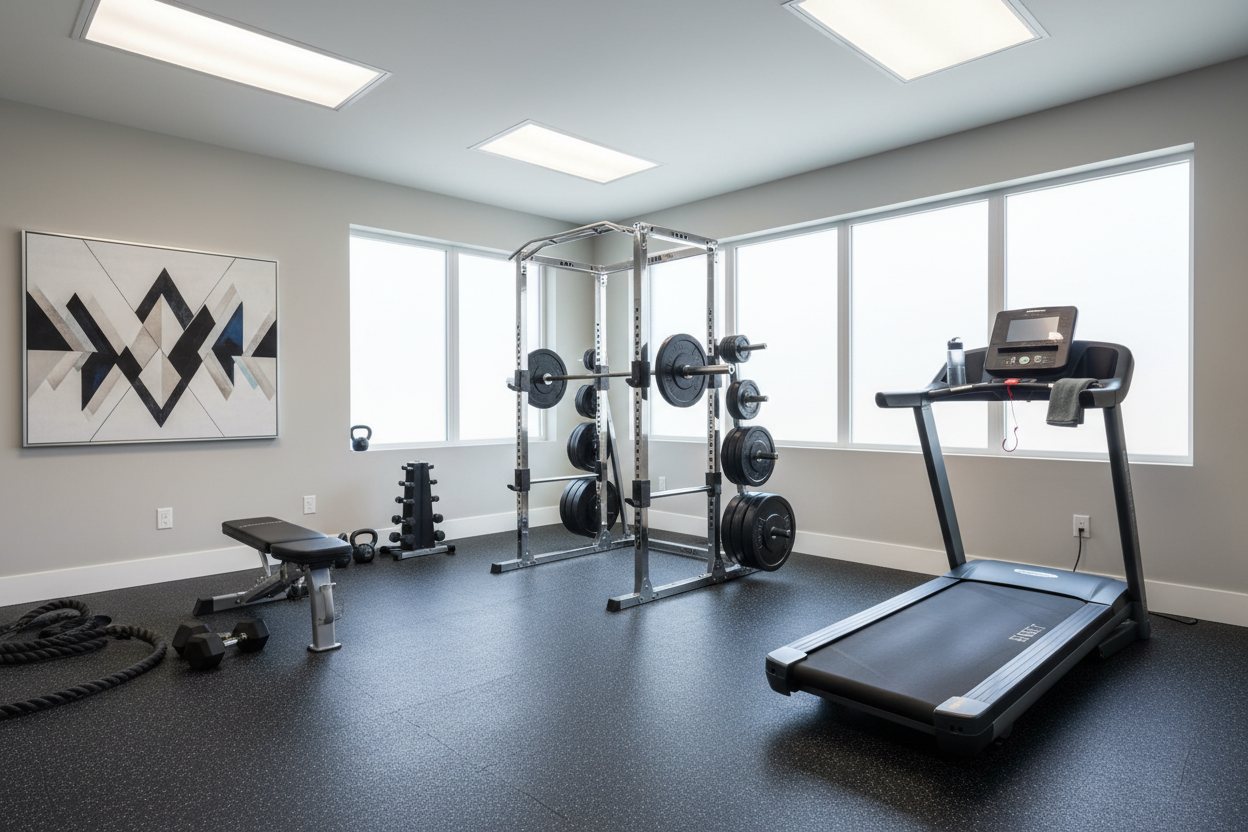
Strength is as much psychological as it is physical. If you’re squatting in a flimsy rack that wobbles when you breathe on it, your brain will subconsciously limit your force production. It’s a survival mechanism. You won't push for that grinding 5th rep if you aren't 100% sure the safeties will catch the bar if you fail.
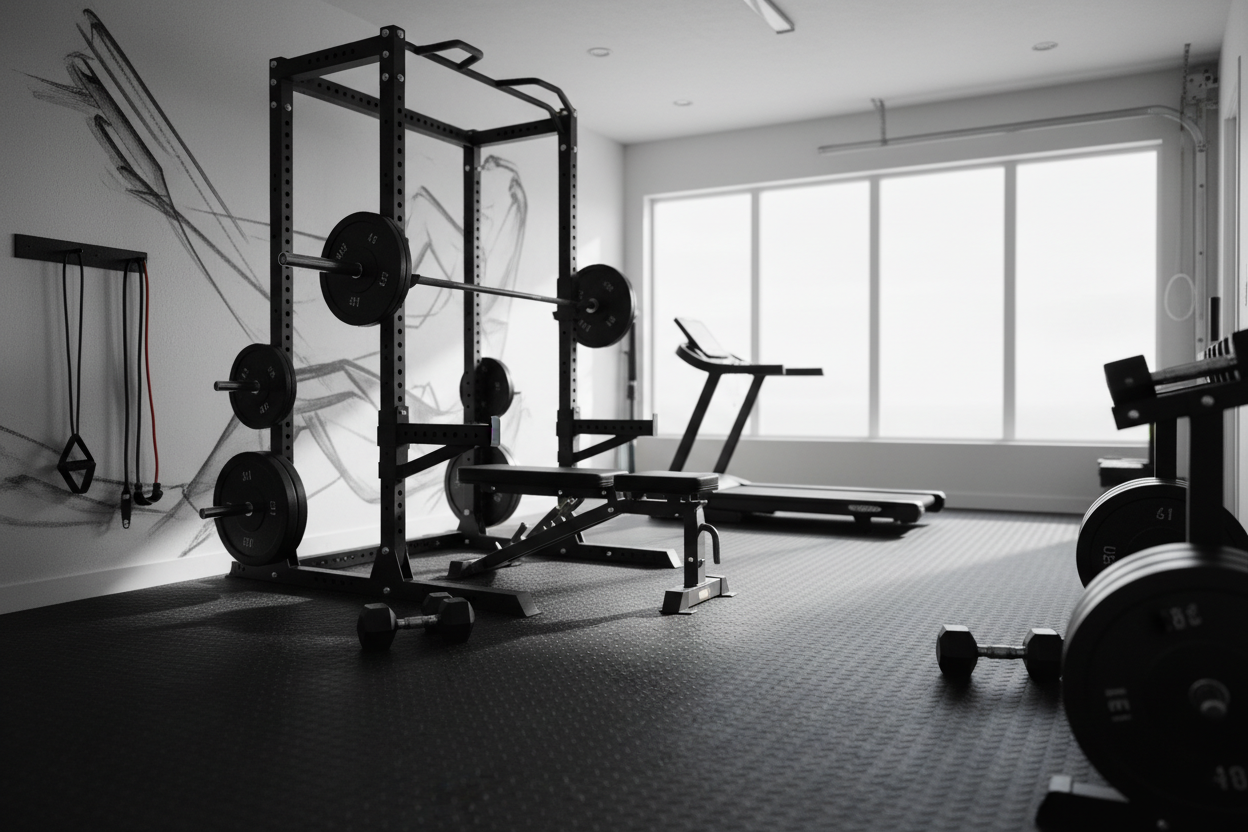
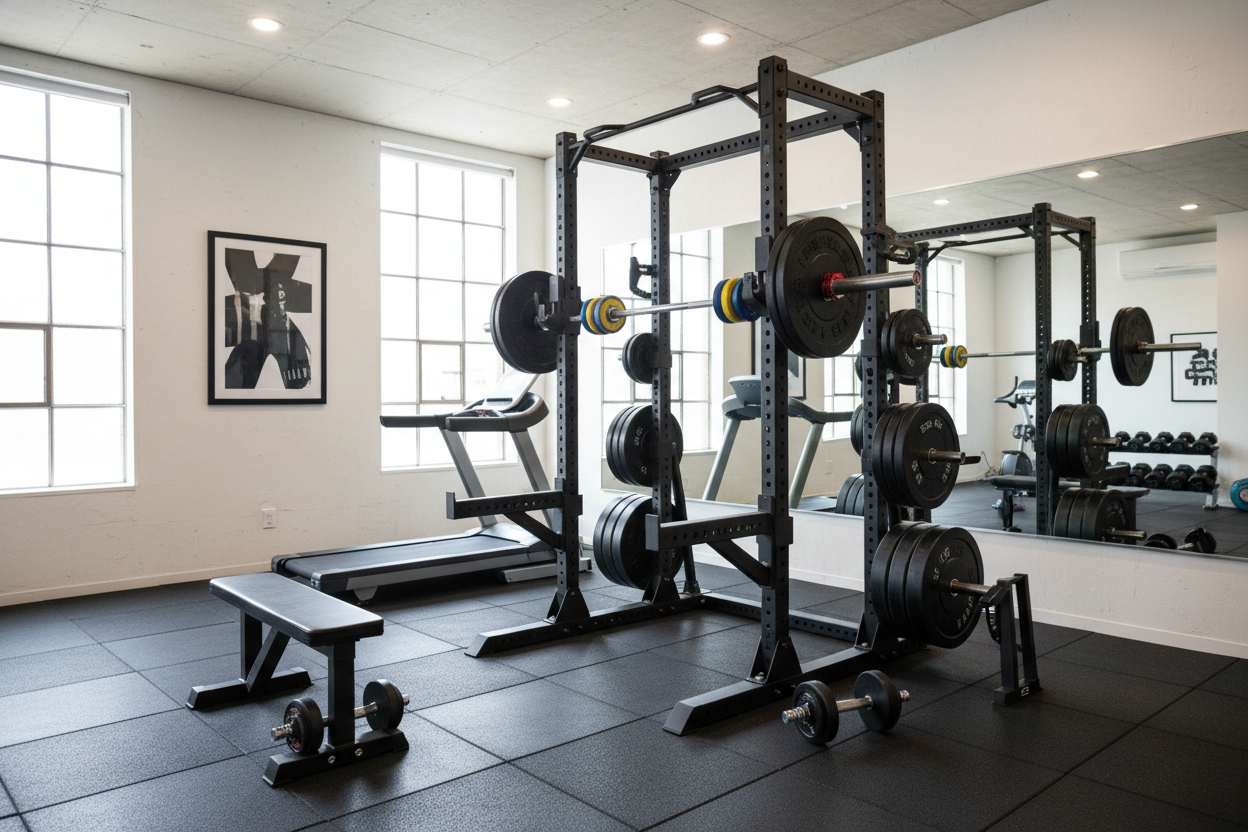
Upgrading to a rock-solid power rack package changed my training entirely. Knowing I have heavy-duty spotter arms allows me to actually train to failure safely. If you're serious about your weight lifting progression, you have to ensure your environment supports it. Choosing the right equipment for your training goals is often the missing link in breaking a year-long plateau.
Rethinking 'Progression Weights' Without Chasing Maxes
Stop looking at your logbook as a week-to-week battle and start looking at it as a month-to-month trend. Your progression weights will fluctuate. You’ll have weeks where you feel weak, and that’s fine. The goal is to be stronger in six months than you are today, not just six days from now.
Treat your joints with respect. If a weight feels heavy but your form is breaking, back off. Consistency is the only thing that actually guarantees strength progress over a decade. I’d rather hit a solid, clean triple with 315 than a grindy, dangerous single with 330 just to say I did it. Play the long game.
My Biggest Mistake
I once spent four months trying to force a 405-lb deadlift by pulling heavy every single week. I ignored the signs of CNS fatigue—poor sleep, irritability, and a lack of 'pop' off the floor. I ended up with a lower back strain that kept me out of the gym for six weeks. My weight progression went to zero because I was too stubborn to take a deload. Now, I listen to the bar speed. If it's slow, I pivot to volume or technique work.
FAQ
How do I know if I'm in a real plateau?
If you haven't increased weight, reps, or improved form on a specific lift for three consecutive weeks despite being well-rested, you're officially plateaued.
Should I use fractional plates?
Absolutely. Adding 2.5 lbs total to a bar (using 1.25-lb plates) is much more sustainable for upper body lifts like the overhead press than jumping 5 or 10 lbs at a time.
When should I take a deload week?
Typically every 4 to 8 weeks. Cut your total sets and intensity in half for one week to let your joints and nervous system fully recover before the next block.