Squat Lift Exercise: The Definitive Guide to Proper Form
You might think you know how to squat. You bend your knees, drop your hips, and stand back up. But if you want to build serious leg strength without wrecking your lower back, the squat lift exercise requires much more than just gravity and enthusiasm.
Most people in the gym leave gains on the table because their mechanics are slightly off, or they choose the wrong variation for their body type. Whether you are grabbing a pair of dumbbells or stepping under a barbell, precision matters more than the weight on the bar.
Key Takeaways: Perfecting the Squat
- Foot Placement: Shoulder-width apart with toes flared out 15–30 degrees creates the best base for most lifters.
- The Brace: Take a deep breath into your belly (not chest) and brace your core as if you are about to be punched before descending.
- Knee Path: drive your knees outward in line with your toes; do not let them cave inward (valgus collapse).
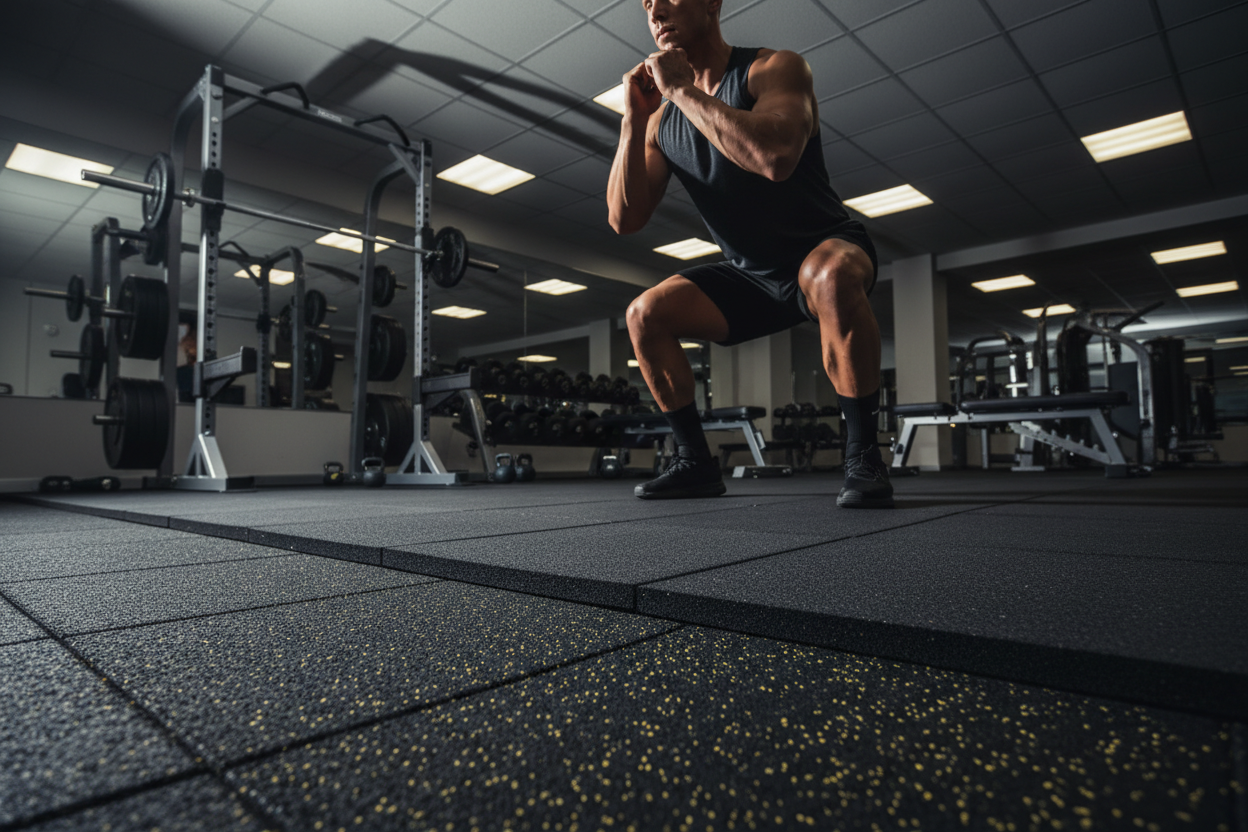
- Depth: Aim for your hip crease to drop slightly below the top of your knee (parallel) to fully engage the glutes and hamstrings.
What Are Squats With Weights Called?
One of the most common points of confusion for beginners is terminology. You might search for "gym squats with weights," but in the training world, the name changes based on where the load is positioned.
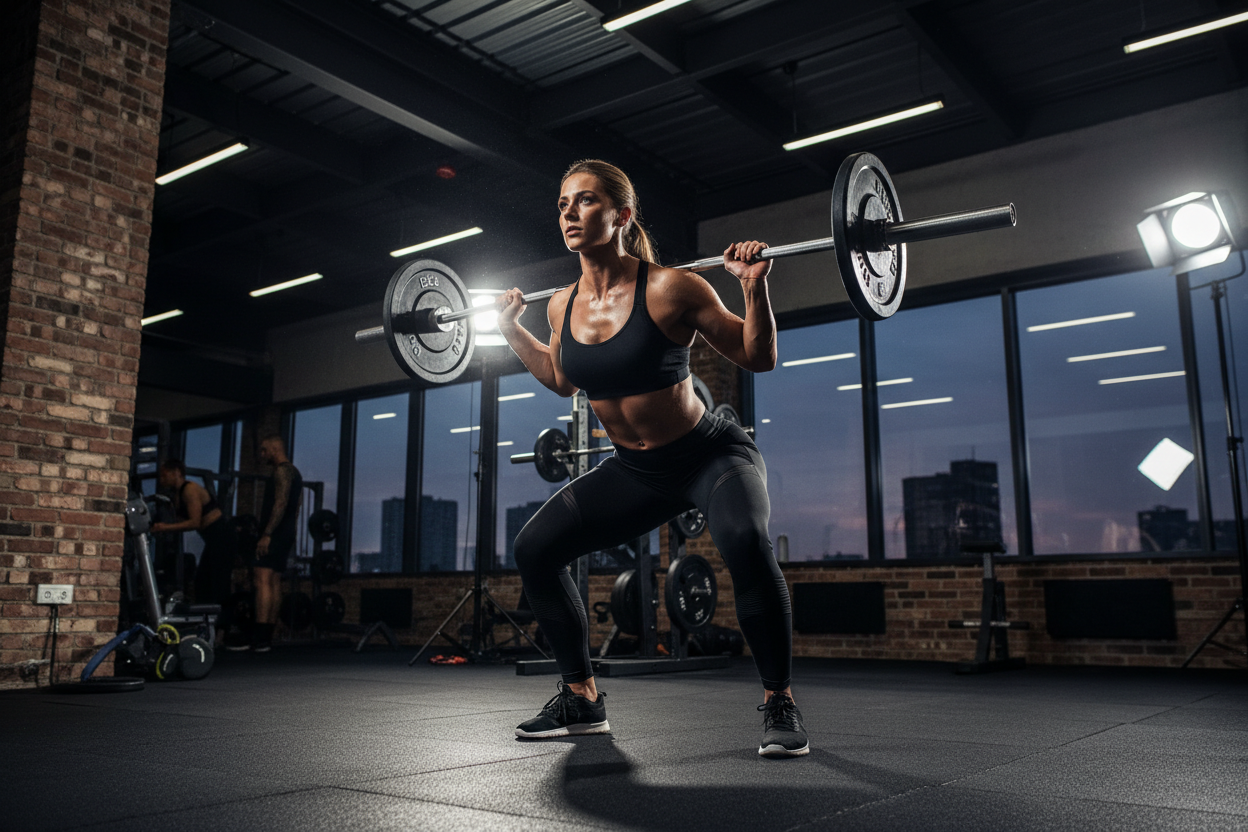
If you hold a weight at your chest, it is a Goblet Squat. If the weight is on your back, it is a Back Squat. If the weight rests on your front deltoids, it is a Front Squat. Knowing the correct squats with weights name helps you find the right programming, as each variation shifts the center of gravity and stresses the muscles differently.
Mastering Squat Variations: Dumbbells vs. Barbells
You don't need a squat rack to perform a heavy squat lift exercise. In fact, for many lifters, dumbbells offer a superior risk-to-reward ratio.
The Best Dumbbell Squat Variation: The Goblet Squat
If I had to pick the single best dumbbell squat variation for 90% of the population, it is the Goblet Squat. By holding the weight in front of you, the exercise acts as a natural counterbalance. This forces you to keep your torso upright, reducing shear force on the lumbar spine.
To execute this, cup one end of the dumbbell with both hands against your sternum. As you descend, try to get your elbows to touch the inside of your knees. This provides tactile feedback that you hit the right depth.
The Weighted Squat Hold
Another underutilized technique is the weighted squat hold. Instead of pumping out reps, you lower yourself to the bottom position and hold for 3–5 seconds. This builds isometric strength and improves hip mobility, teaching your body to be comfortable in the "hole" (the bottom of the squat).
Progression: Starting With 10 Pound Weights
Ego is the enemy of the squat. Performing squats with 10 pound weights with perfect tempo and depth is infinitely better than quarter-squatting 50 pounds. Light weights allow you to grease the groove.
When designing a squats with weights workout for a beginner, I often prescribe high-rep sets (15–20 reps) with light dumbbells. This builds endurance in the lower back erectors, which are often the first link in the chain to fail.
My Personal Experience with Squat Lift Exercise
I want to be real about the learning curve here. When I first transitioned from leg presses to free weights, I thought I was strong. I grabbed a heavy dumbbell for a set of Goblet Squats, assuming my legs could handle it. My legs were fine, but my upper back was the weak link.
I distinctly remember the specific, gritty friction of the chrome dumbbell handle digging into my sweaty palms because I hadn't chalked up. By rep eight, my thoracic spine started rounding forward, pulling me onto my toes. The next day, it wasn't just my quads that were sore—my rhomboids and traps were torched just from fighting to stay upright. That session taught me that the squat isn't just a leg exercise; it's a structural integrity test for your entire body. Now, I always cue "chest up" before I even unrack the weight.
Conclusion
The squat lift exercise is a fundamental movement pattern that belongs in every routine. Whether you are doing squat variations dumbbell style or working with a barbell, the focus must remain on tension and alignment. Start light, master the depth, and gradually increase the load.
Frequently Asked Questions
What are squats with weights called in a program?
They are generally referred to by the equipment used and the placement of the load. Common names include Goblet Squats (dumbbell at chest), Back Squats (barbell on back), and Split Squats (staggered stance).
Are squats with 10 pound weights effective?
Yes. For beginners, seniors, or those recovering from injury, 10-pound weights provide enough resistance to stimulate muscle activation and improve bone density without overloading the joints.
What are the best dumbbell squat exercises for glutes?
The Sumo Dumbbell Squat is excellent for glutes. By taking a wide stance and holding the dumbbell hanging between your legs, you can achieve a deeper stretch in the glute muscles compared to a standard narrow stance.