Specialty Fitness: The Missing Link in Your Home Gym?
If you have been training in your garage or basement for a while, you know the feeling. You hit a wall. Standard barbells and dumbbells just aren't stimulating your muscles the same way, or maybe an old shoulder injury is making straight bar squats impossible. This is exactly where specialty fitness comes into play.
Whether you are looking to work around mobility issues, maximize a tight space, or simply inject new life into a stale routine, upgrading your setup requires careful planning. In this guide, we will break down how to choose the right gear and whether these unique pieces are truly worth the investment.
Key Takeaways
- Specialty gear targets specific biomechanics, making it ideal for injury workarounds and busting plateaus.
- Measure your exact space—many specialized machines require unique clearance dimensions.
- Prioritize 11-gauge steel and high-density foam for long-term durability.
- Blend traditional foundational equipment with 1-2 targeted specialty pieces for the best ROI.
Navigating the World of Specialty Gear
What Separates Standard from Specialty?
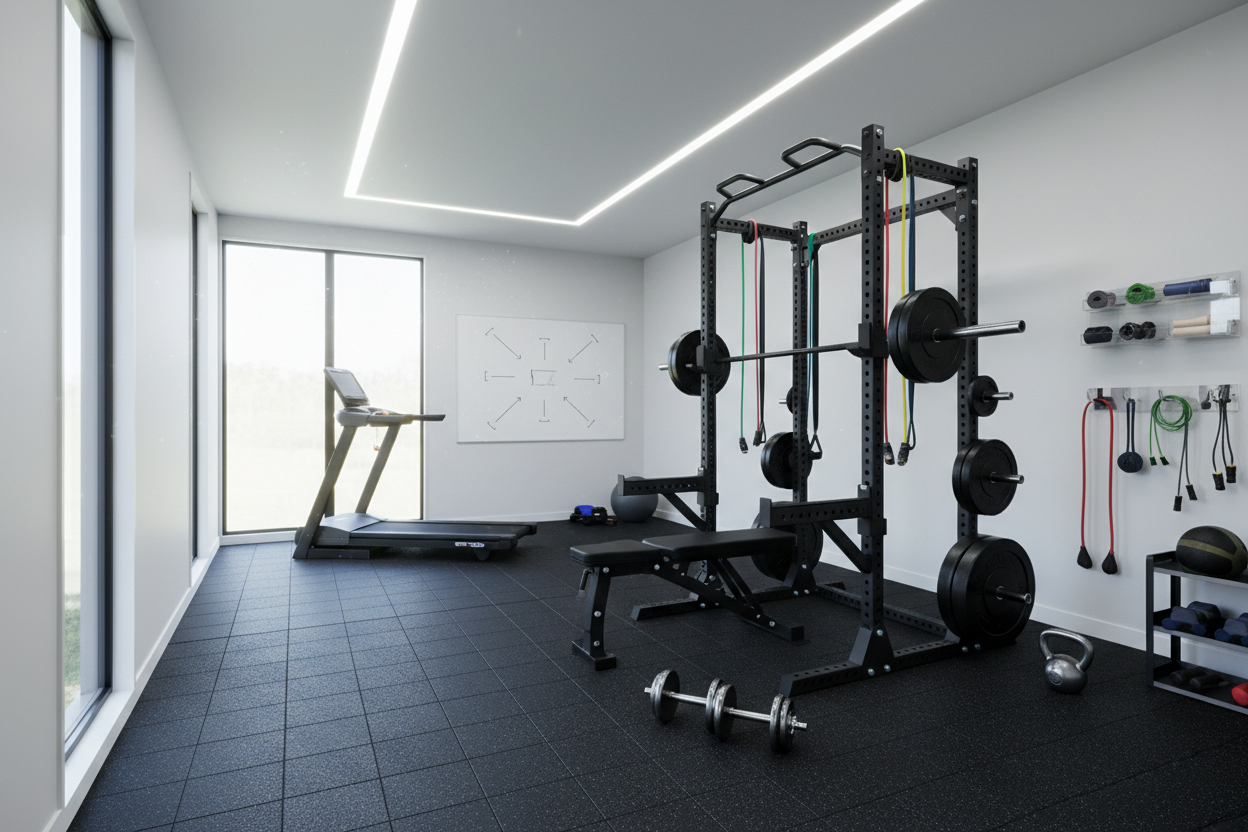
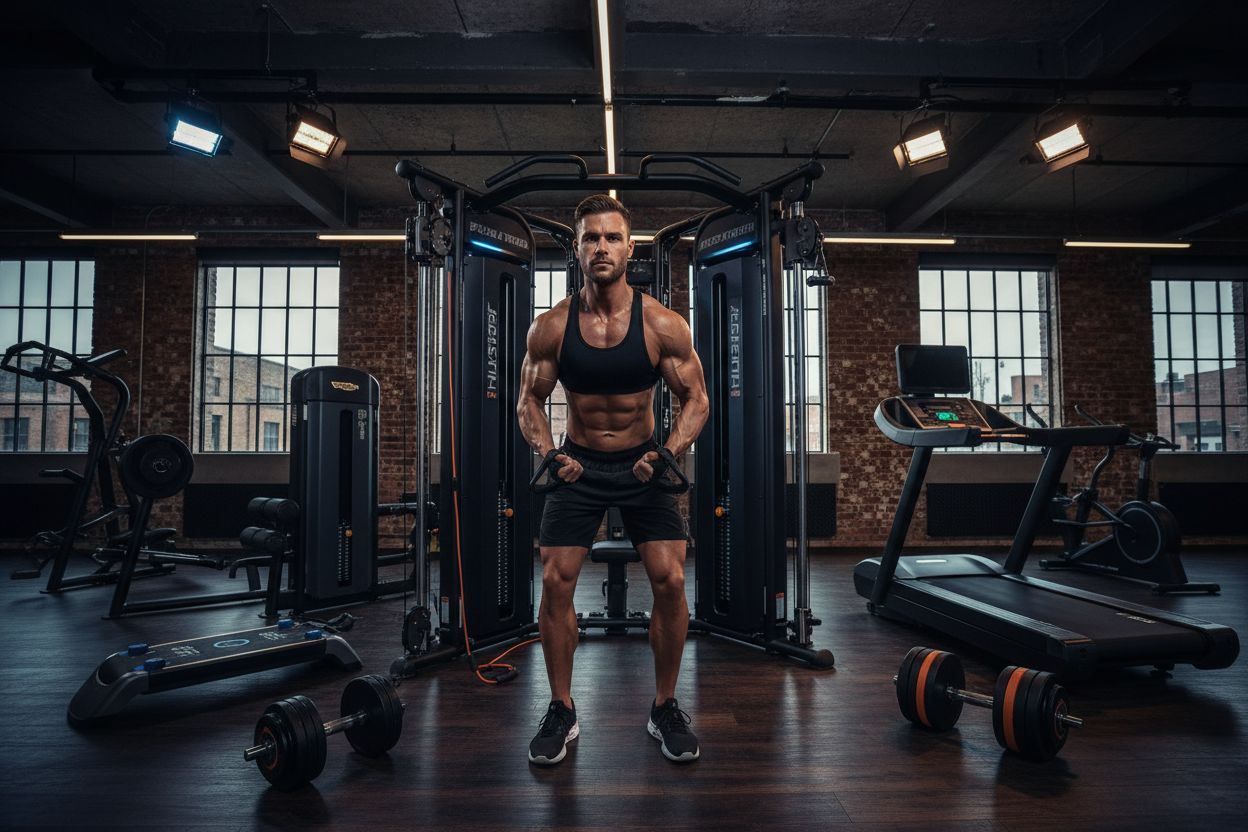
While traditional power racks and flat benches form the foundation of any good home setup, specialty fitness equipment—like safety squat bars, functional trainers, and reverse hyper machines—targets specific biomechanical needs. These pieces are designed to isolate muscle groups more effectively or alter the leverage of a lift to protect your joints.
Evaluating Build Quality
When investing in highly specific gear, construction matters. You should look for 11-gauge steel framing, heavy-duty powder coating to resist garage humidity, and commercial-grade upholstery. Entry-level pieces often use thinner steel that can wobble under heavy loads, which defeats the purpose of buying specialized strength equipment.
Space Planning for Unique Footprints
Fitting Gear into North American Homes
One major hurdle with specialty fitness systems is their footprint. A standard two-car garage gym often struggles to accommodate standalone machines like a Glute Ham Developer (GHD) or a dedicated belt squat machine. When planning your layout, you must account for dynamic clearance. For example, functional cable towers require at least three feet of forward clearance for you to step out and stretch the cables.
Vertical Clearance Considerations
Basement gyms come with their own set of challenges, primarily low ceilings. If you are buying a specialized multi-grip pull-up bar or a tall functional trainer, measure your floor-to-joist height. Always leave a minimum of six inches of clearance above the highest point of the equipment to ensure safe usage.
From Our Gym: Honest Take
I remember the first time I brought a specialty cambered bar into my personal garage gym. At 6'2' with a history of rotator cuff issues, straight bar back squats were becoming a nightmare. The drop in the cambered bar shifted my center of gravity and immediately relieved my shoulder strain.
However, I learned the hard way that you need to check your rack's internal depth. My new bar barely cleared the J-cups on my standard 24-inch depth rack, making walk-outs a bit sketchy at first. It was a massive game-changer for my leg development, but you absolutely must measure twice before adding specialized bars to a standard rack.
Frequently Asked Questions
Is specialty fitness equipment worth the cost for beginners?
Generally, beginners should master the basics with standard barbells and dumbbells first. However, if a beginner has specific mobility limitations, a specialty piece like a trap bar can actually make learning fundamental movements safer and more intuitive.
How much space do specialty fitness systems require?
It varies wildly. A specialized barbell takes up no more floor space than a standard bar, but standalone machines like a GHD or leg press can require an extra 15 to 20 square feet of dedicated, permanent floor space.
Can I build a complete gym using only specialty gear?
While possible, it is rarely cost-effective or space-efficient. The most effective home gyms use a hybrid approach: a standard power rack and bench as the core, supplemented by one or two highly targeted specialty items to address your specific training goals.