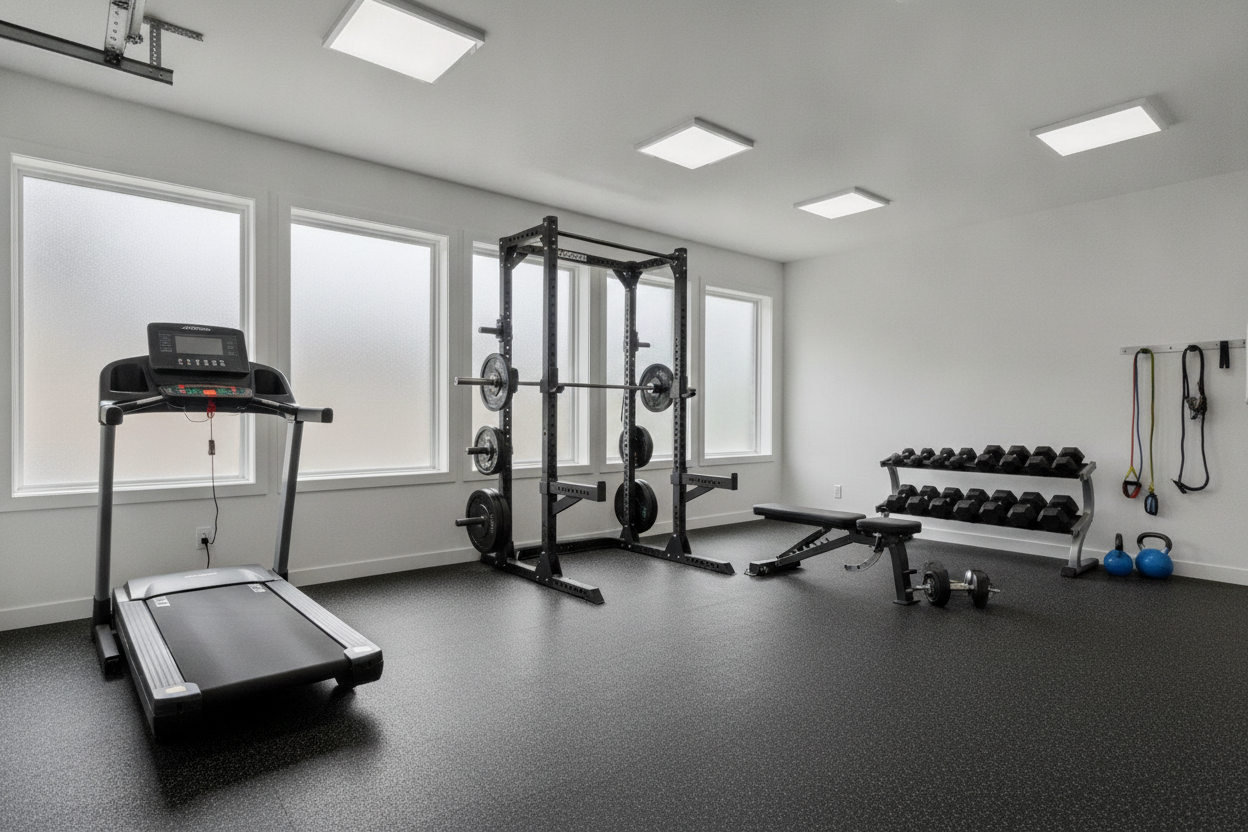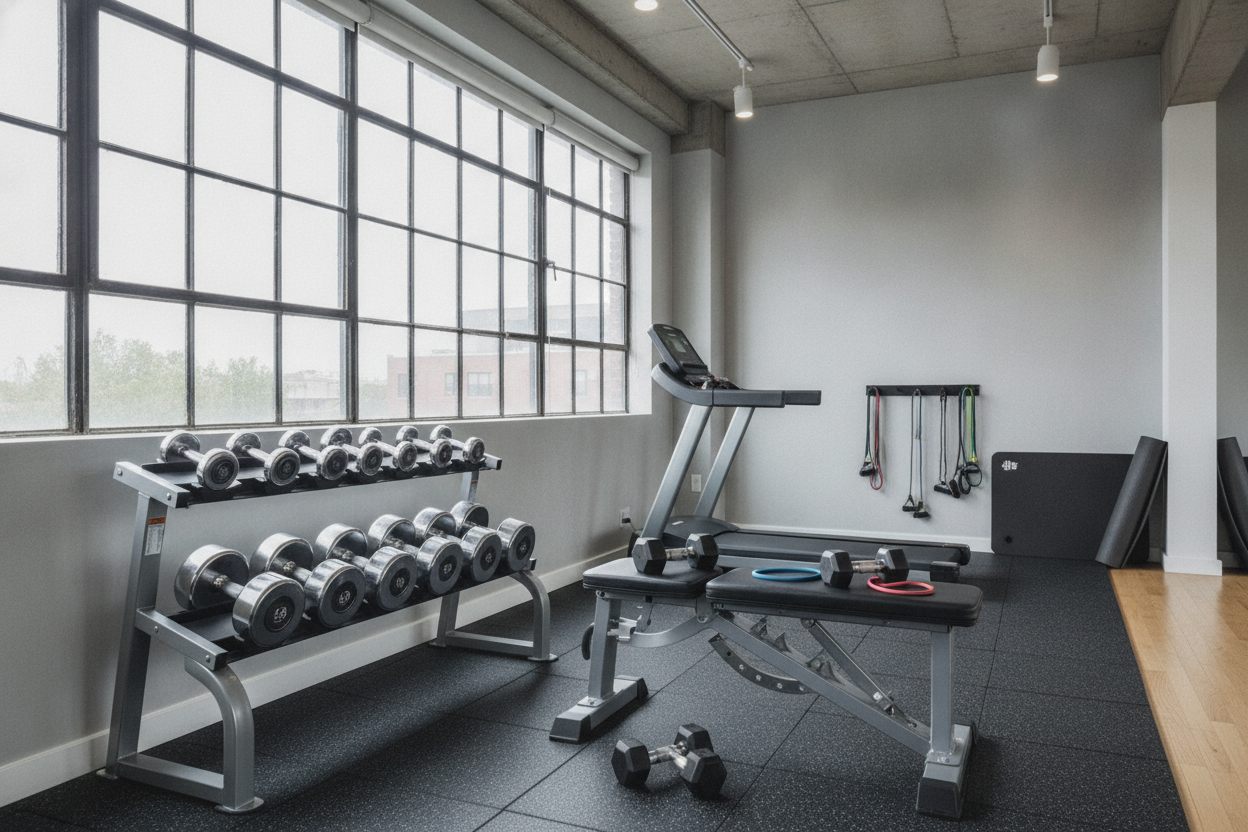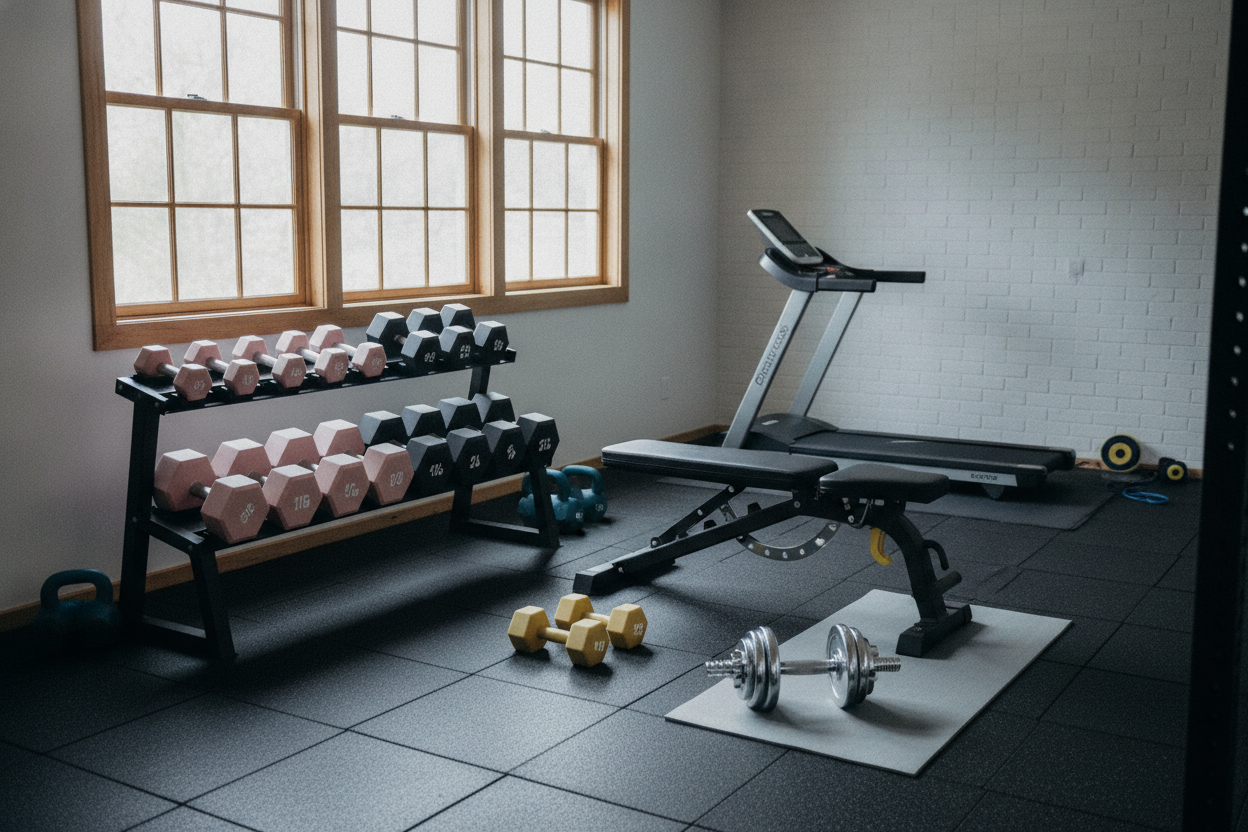
So You Realized 'I Need Weights' (Here is Exactly What to Buy)
You finally hit the breaking point. Maybe it was the third time this week you had to wait twenty minutes for a squat rack, or perhaps you're just tired of the $80 monthly membership fee for a gym that smells like wet laundry. You sat down, opened a browser, and thought, i need weights. It is the first step toward actual freedom, but it is also where most people blow $300 on gear that ends up as a clothes rack by Christmas.
Quick Takeaways
- Skip the sand-filled plastic weights; they are bulky and leak.
- Adjustable dumbbells are the best space-savers for small apartments.
- Beginners usually need more weight than they think for lower body movements.
- Invest in a solid bench before you start lifting heavy over your face.
The Epiphany (And Why You Shouldn't Rush Your Purchase)
The motivation hit is a hell of a drug. You want to buy everything right now—the rack, the plates, the fancy barbell with the custom cerakote finish. But hold on. I have seen too many people drop half a paycheck on a cheap, 100-pound 'starter set' from a big-box retailer only to realize two weeks later that 100 pounds is barely enough to warm up their legs. Those plastic-coated, cement-filled weights are the worst offenders. They are physically massive, making it impossible to use proper form on rows or presses, and the collars always wiggle.
The goal isn't just to own heavy stuff; it's to own stuff you can actually use for the next decade. Stop Overthinking What Weight Dumbbells for Beginners Actually Need and start looking at the utility of the equipment. You want iron or high-quality urethane. You want something that fits in your hand comfortably, not something that feels like you're holding a gallon of milk. Analysis paralysis is real when you're looking at a sea of chrome and rubber, but the reality is that you only need a few key pieces to see 90% of your results.
What Weights Are Good for Beginners? (Let's Talk Reality)
When people ask me what weights are good for beginners, I always look at their floor space first. If you're in a 600-square-foot apartment, you have no business buying a full rack of fixed dumbbells. A set of adjustable dumbbells—the kind that goes from 5 to 50 pounds—is your best friend. They take up the footprint of two shoeboxes and replace an entire wall of gear. Look for sets with steel internal components; the all-plastic adjustment dials tend to snap if you're a bit too aggressive during a heavy set.
If you have a garage or a basement, a few pairs of fixed rubber hex dumbbells are the gold standard. They don't roll away when you put them down, and they're quiet enough that you won't wake up the kids during a 6:00 AM session. Kettlebells are another solid option, especially if you care more about functional movement and conditioning than pure bodybuilding. A single 16kg (35lb) kettlebell can provide a brutal workout for almost anyone starting out. The ROI on a solid pair of 25-pound hex dumbbells is insane—you can use them for everything from lunges to overhead presses to weighted sit-ups.
Exactly What Weight Should I Start Lifting Dumbbells?
Stop looking for the 'light' weights. I see beginners grabbing 5-pounders because they're afraid of getting bulky or hurting themselves. Unless you are doing physical therapy for a rotator cuff, 5 pounds isn't doing anything. For most men starting out, a pair of 20s or 25s is the sweet spot for upper body work, while 35s or 40s are necessary for lower body movements like goblet squats. You want a weight that you can move for 8 to 12 reps with good form, but where the last two reps feel like a genuine struggle.
For women, the range is slightly different but the logic remains. Exactly What Size Weight Should a Woman Use (No Pink Dumbbells) is a topic I'm passionate about because marketing often pushes 2-pound 'toning' weights that are useless. Most women should start with 10s or 15s for upper body and 20s or 25s for legs. If you can do 20 reps without breaking a sweat, the weight is too light. You need to create a stimulus for your muscles to change. This is called a 'working set'—the sets that actually count toward your progress because they challenge your current strength levels.
What Weights Should a Beginner Use for Big Compound Movements?
As you get consistent, your legs and back will quickly become much stronger than your shoulders and arms. This is where dumbbells start to get tricky. Holding two 50-pound dumbbells for a squat is a lot harder on your grip than it is on your legs. To keep progressing, you'll eventually need to transition to a barbell or at least a very stable environment. This is when foundational support becomes non-negotiable. You cannot safely press heavy weights if you're wobbling on a cheap folding chair or a soft ottoman.
A Gxmmat Adjustable Weight Bench is the first essential upgrade I recommend. It gives you a 1,000-lb capacity base so you can focus on the muscle, not on whether the furniture is going to collapse. Having a bench that adjusts from flat to incline opens up dozens of new movements that keep your routine from getting stale. Once you have a stable base, you can start looking at what weights should a beginner use for deadlifts and squats, which usually involves a 45-pound Olympic bar and some iron plates.
The 'Buy It Nice or Buy It Twice' Rule for Home Gyms
I've wasted more money on 'budget' fitness gear than I care to admit. I once bought a barbell that was so poorly made the sleeves didn't even rotate—it nearly wrecked my wrists during a clean. In the home gym world, 'cheap' usually means 'disposable.' If you buy a weight set that you'll outgrow in three months, you haven't saved money; you've just rented frustration. Investing in quality, expandable equipment from the start is the only way to build a gym that lasts a lifetime.
If you know you're committed, skip the piecemeal approach and look at a total solution. The Gxmmat X6 Power Rack Weight Bench Package is the kind of setup you'll literally never outgrow. It covers your safety with the rack, your stability with the bench, and your progression with the plate capacity. It's a bigger upfront hit, but it beats the hell out of buying a new piece of gear every six months because your old stuff broke or became too light. Buy once, cry once, and then get to work.
Personal Experience: My $200 Mistake
When I first started my garage gym, I bought a 100lb vinyl-coated weight set from a local department store. I thought I was being smart. Within a month, the plastic casing on one of the plates cracked, leaking gray sand all over my floor. The bars were thin and dug into my hands because the knurling was basically non-existent. I ended up giving them away for free on Craigslist just to get them out of my sight. I replaced them with a pair of 35lb cast iron kettlebells that I still use ten years later. Quality matters.
FAQ
How much space do I really need?
For a basic dumbbell and bench setup, a 6x8 foot area is plenty. If you're going for a full power rack, you'll want at least 10x10 feet to allow for bar clearance on the sides.
Should I buy iron or rubber plates?
If you're training in a garage or on a concrete slab, get rubber-coated hex dumbbells or bumper plates. They're quieter and won't shatter your floor if you drop them.
Is one kettlebell enough to start?
Yes. You can do swings, goblet squats, and single-arm presses with one bell. It’s the most versatile 'I need weights' purchase you can make on a tight budget.