So, Can You Gain Muscle Weight in a Week? The Biological Truth
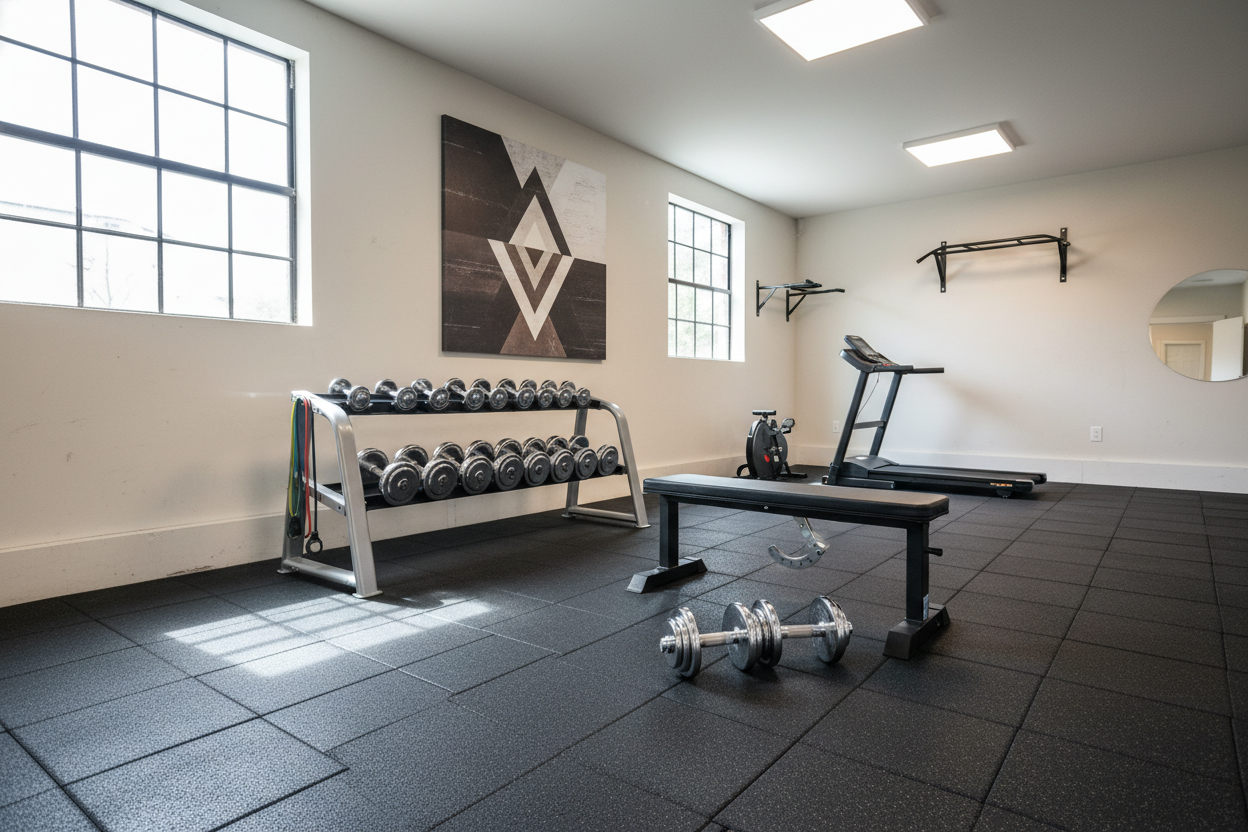
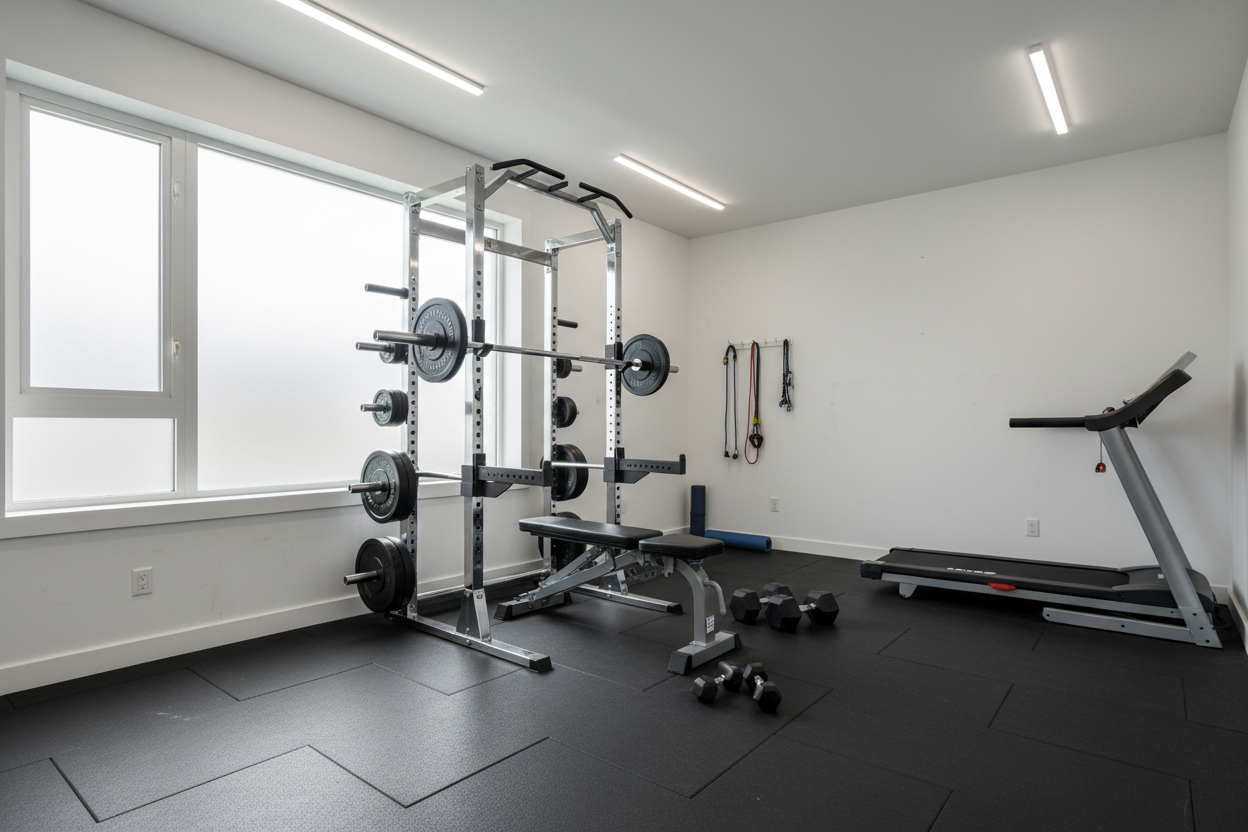
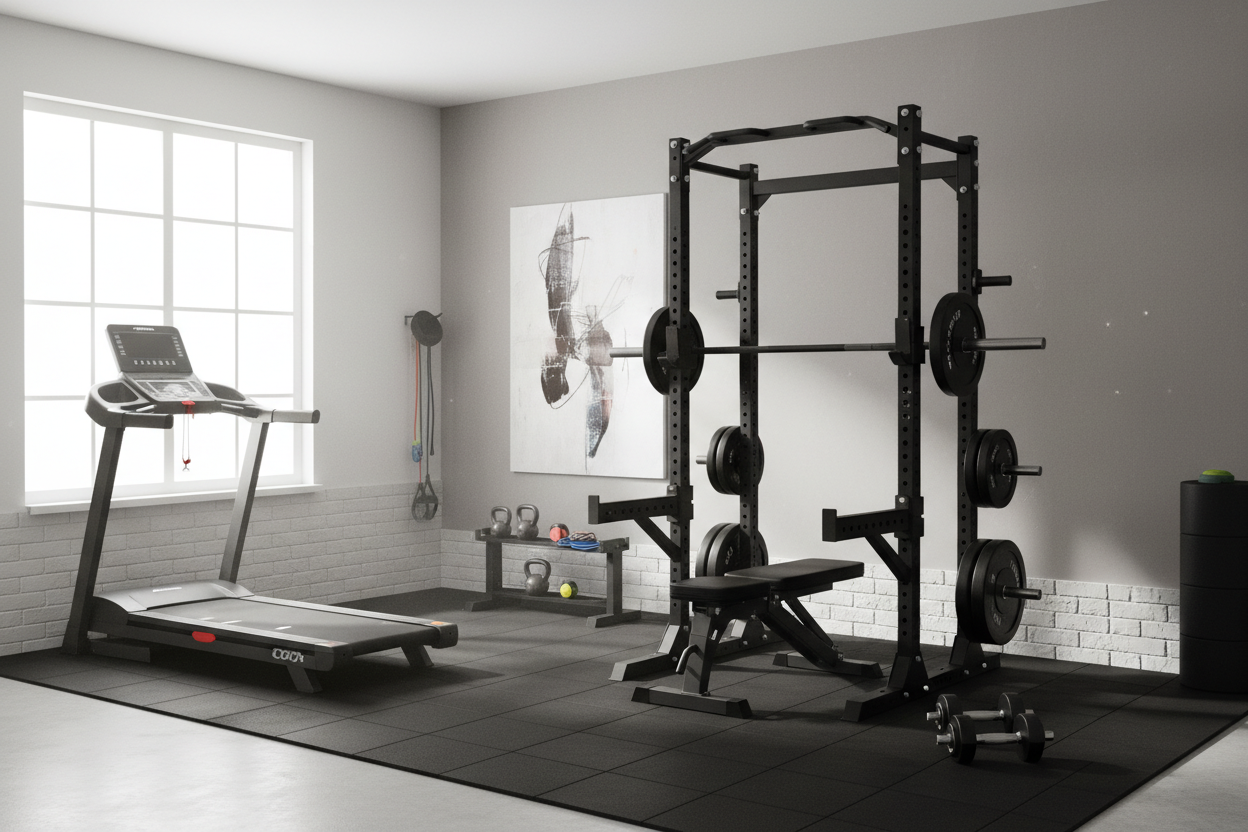
I remember the first time I bought a 300-lb Olympic set and a basic rack for my garage. I was checking the scale every single morning like it was a lottery ticket, convinced that the soreness in my quads would immediately translate to mass. I wanted to know, can you gain muscle weight in a week, or was I just wasting my time in a cold garage?
- Scale weight increases in the first week are almost entirely water, glycogen, and inflammation.
- Actual contractile muscle tissue grows at a rate of roughly 0.25 to 0.5 pounds per week for beginners.
- Newbie gains are real, but they are often masked by 'cellular swelling.'
- Focusing on progressive overload is a better metric for success than the daily weigh-in.
The Biological Truth About Seven-Day Gains
Your body is a survival machine, not a 3D printer. When you hit the weights for the first time in a while, your physiology goes into panic mode. It starts shuttling nutrients, water, and glycogen into the muscle cells to prepare for the next 'attack.' This creates a fuller look, often called the 'pump' or cellular swelling.
While the scale might jump three pounds in seven days, don't buy a larger t-shirt just yet. That isn't muscle per week in the way you think. Actual protein synthesis—the process of building new muscle fibers—is a slow, metabolically expensive grind. You are essentially asking your body to build an extension on a house while you're still living in it.
Contractile Tissue vs. Water Weight (What the Scale is Hiding)
We need to distinguish between 'weight' and 'muscle.' If you want to gain muscle in a week, you are really looking for sarcoplasmic hypertrophy. This is the fluid inside the muscle. It makes you look bigger and weighs more on the scale, but it isn't the same as the dense, contractile tissue that makes you strong.
You might wonder, can you gain 1 pound of muscle in a week? Biologically, for a natural lifter, the answer is a hard no. Even under the best conditions, that pound is mostly water retention and stored carbohydrates. This is especially true when you see the systemic response from how to build leg muscle in a week; big movements like squats cause massive temporary inflammation that looks like growth but is actually just your body healing.
Setting a Realistic Timeline for Actual Mass
If you're a beginner, you have the 'newbie gains' card to play. You can see impressive changes quickly, but even then, trying to gain a pound of muscle a week of pure tissue is a fantasy. Most natural lifters should aim for 1 to 2 pounds of actual muscle growth per month. Anything more than that on the scale is likely body fat or water.
The problem is that many popular programs to gain muscle are designed for people with 'assistance' or professional chefs. In a home gym environment, you have to be more disciplined. You aren't just fighting the weights; you're fighting the reality of a 0.25-lb muscle per week cap. It sounds small, but over a year, that's 12 pounds of lean meat. That’s a massive transformation.
The Minimalist Setup Required to Force Growth
Since you can't speed up biology, you have to maximize the stimulus. You need heavy, stable implements. I've tested plenty of gear, and for pure hypertrophy, a power rack and weight bench package is the gold standard. It provides the safety you need to push to failure, which is the primary driver for muscle protein synthesis.
I’ve seen people try to build massive frames using only light dumbbells or those fancy commercial weight lifting machines you see in hotel gyms. They work for isolation, but they lack the raw loading potential of a barbell. If you want the scale to move for the right reasons, you need to move heavy iron that forces your nervous system to adapt.
Why You Should Track Plates, Not Pounds
The scale is a liar. It reacts to how much salt you had on your steak, how much water you drank, and even your stress levels. If you want to know if you're growing, look at your training log. If you did 185 lbs for 5 reps last week and 190 lbs for 5 reps this week, you are winning. The tissue will follow the strength.
I spent years obsessing over a digital readout. I once 'bulked' 15 pounds in a month by eating everything in sight. I didn't look like a bodybuilder; I looked like a water balloon. I had to spend the next three months cutting just to see the muscle I actually had. Don't make that mistake. Trust the bar, not the scale.
FAQ
Does creatine help you gain muscle in a week?
Creatine will absolutely increase your weight in a week, but it's water being pulled into the muscle cells. It helps with performance, which leads to muscle later, but the immediate gain isn't tissue.
How much muscle can a beginner gain in a month?
A true beginner can realistically gain 1.5 to 2 pounds of actual muscle tissue in their first few months, provided their protein intake and sleep are locked in.
Why do I look bigger after just one workout?
That's the 'pump.' Increased blood flow and metabolic byproducts cause the muscle to swell temporarily. It’s a great motivator, but it usually fades within a few hours.