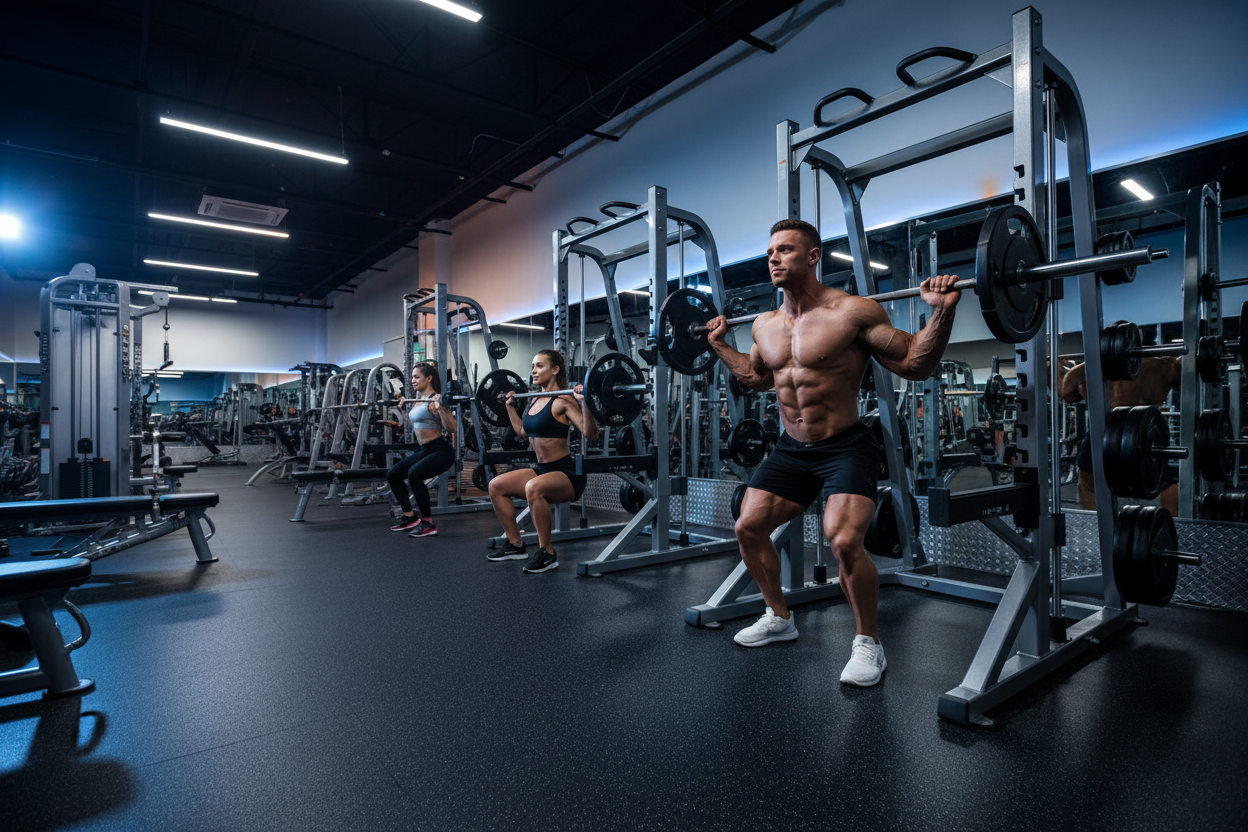
Smith Machine Types: The Definitive Guide to Vertical vs. Angled
You walk into the gym, load up the bar, and realize something feels wrong. The bar isn't moving in the path you expect, or the resistance feels gritty. This happens because not all machines are built the same. Understanding the specific mechanics behind different smith machine types is critical for joint health and muscle recruitment.
Whether you are outfitting a home gym or trying to optimize your training at a commercial facility, knowing the difference between a 7-degree angle and a vertical rail can save your shoulders from unnecessary strain. Let’s break down the mechanics, the physics, and the practical applications of these machines.
Quick Summary: The Core Differences
If you are in a rush, here is the breakdown of the primary variations you will encounter on the market:
- Vertical Smith Machines: The guide rails run strictly up and down (90 degrees). Best for static movements like calf raises or shrugs.
- Angled Smith Machines: The rails are set at a slight incline (usually 7 to 12 degrees). Designed to mimic the natural arcing path of a bench press or squat.
- Linear Bearing Machines: Use ball bearings for a smooth, frictionless glide. This is the gold standard for commercial gear.
- Bushing Machines: Use plastic or bronze sleeves. These introduce friction and are common in budget home gym setups.
- Counterbalanced Machines: A pulley system reduces the starting weight of the bar (often to near zero), aiding in rehabilitation.
The Angle Debate: Vertical vs. Angled
The most distinct visual difference between machines is the path of the bar. This isn't just aesthetic; it changes the biomechanics of every lift.
Vertical Smith Machines (90-Degree)
These machines force the bar to travel in a straight line perpendicular to the floor. While this looks tidy, the human body rarely moves in straight lines.
During a bench press, your natural bar path moves from the chest slightly back toward the shoulders. On a vertical machine, you cannot do this. This forces your rotator cuff to stabilize a load in a potentially compromised position. However, vertical machines are superior for movements where the center of gravity shouldn't shift, such as split squats or seated overhead presses.
Angled Smith Machines (7-12 Degrees)
Most commercial gyms utilize this style. The slight pitch allows the bar to travel back toward your face during a press, or track with your hips during a squat.
The catch? You must face the correct direction. If you squat facing the wrong way on an angled machine, you will be pushing against the natural plane of motion, which can cause severe lower back shearing. Always ensure the bar path moves with your natural mechanics, not against them.
The Glide Mechanism: Linear Bearings vs. Bushings
This is the difference between a lift feeling "smooth like butter" and feeling like you are dragging a sled through gravel.
Linear Bearings
High-quality machines use rows of ball bearings that roll along the guide rods. These are durable and offer consistent resistance during both the concentric (lifting) and eccentric (lowering) phases. If you are serious about hypertrophy, this is the only option worth considering.
Nylon or Bronze Bushings
Budget machines use a simple sleeve that slides up the pole. Over time, friction builds up. This creates a "stuttering" effect during the lift. While cheaper, the added friction can throw off your tempo and make the weight feel heavier on the way down than on the way up.
Counterbalanced vs. Standard
The Standard Assembly
A standard Smith bar usually weighs between 15 and 45 lbs, depending on the material and thickness. You are lifting the actual weight of the bar plus the plates.
The Counterbalanced System
Look for pulleys and weight stacks hidden inside the frame. These systems use counterweights to offset the bar's mass. The starting weight might be as low as 5 lbs. This is excellent for drop sets or rehab work, but it removes the momentum factor, making the lift feel "dead" compared to a standard barbell.
My Training Log: Real Talk
I need to be honest about the practical difference between these machines because specs on a website don't tell the whole story. A few years ago, I bought a budget home gym setup that used plastic bushings instead of linear bearings. I thought I was saving money.
Big mistake. After about three months, I noticed a specific "sticking point" right at the bottom of my squat. It wasn't muscle failure; it was the bushing physically binding against the guide rod because I was applying slightly uneven forward pressure. I had to grease the rods before every single session, and even then, my hands would get covered in this black, oily residue that ruined my grip.
Furthermore, switching to a vertical machine at a hotel gym recently flared up my old wrist injury during bench pressing. Because the bar wouldn't travel back over my eyes, my wrists had to cock back further to compensate. If you have joint issues, the extra money for an angled, linear-bearing machine isn't a luxury—it's joint insurance.
Conclusion
Choosing between different types of smith machines comes down to your budget and your biomechanics. If you want a machine that feels as close to a barbell as possible, aim for an angled machine with linear bearings. If you need a compact unit for vertical pressing and accessory work, a vertical rail will suffice. Don't ignore the glide mechanism—friction is the enemy of progressive overload.
Frequently Asked Questions
How do I know if a Smith machine is angled or vertical?
Stand back and look at the side profile of the frame. If the guide rods are perfectly perpendicular to the floor, it is vertical. If they lean slightly back (usually toward the weight storage racks), it is angled. You can also test it by unracking the bar and letting it hang; on an angled machine, it will slide to the bottom of the hooks.
Which Smith machine type is better for glute growth?
An angled Smith machine is generally better for glute-focused movements like squats and lunges. The angle allows you to place your feet further forward and lean back into the movement, increasing hip flexion and glute stretch without losing balance.
Does the bar weight differ between Smith machine types?
Yes, significantly. A standard commercial Smith machine bar usually weighs roughly 30-45 lbs. However, a counterbalanced machine (identifiable by the pulley wires attached to the bar) can weigh as little as 6-15 lbs. Always test the empty bar weight before loading heavy plates.