Smart Pairing: What to Workout with Your Chest for Best Results
When it comes to chest training, many people focus only on the bench press or push-ups, but understanding which muscle groups to pair with your chest can make your workouts more effective. The chest muscles, particularly the pectoralis major and minor, often work in synergy with other upper body muscles, so structuring your training plan thoughtfully can lead to better strength gains and prevent overtraining.
Why Muscle Pairing Matters
Training the right muscle groups together can help optimize recovery, improve your performance, and avoid unnecessary fatigue. For example, chest-focused workouts typically engage secondary muscle groups such as triceps and shoulders, so pairing them strategically ensures you're not overlapping too much and hindering growth.
Common Pairings with Chest Workouts
One popular approach is the push workout split, where the chest is trained alongside the shoulders and triceps. This works well because all three muscle groups are engaged during pressing movements like bench presses, incline presses, and dips. This form of training allows you to target multiple push muscles in one session and then give them adequate rest days afterward.
Chest + Triceps
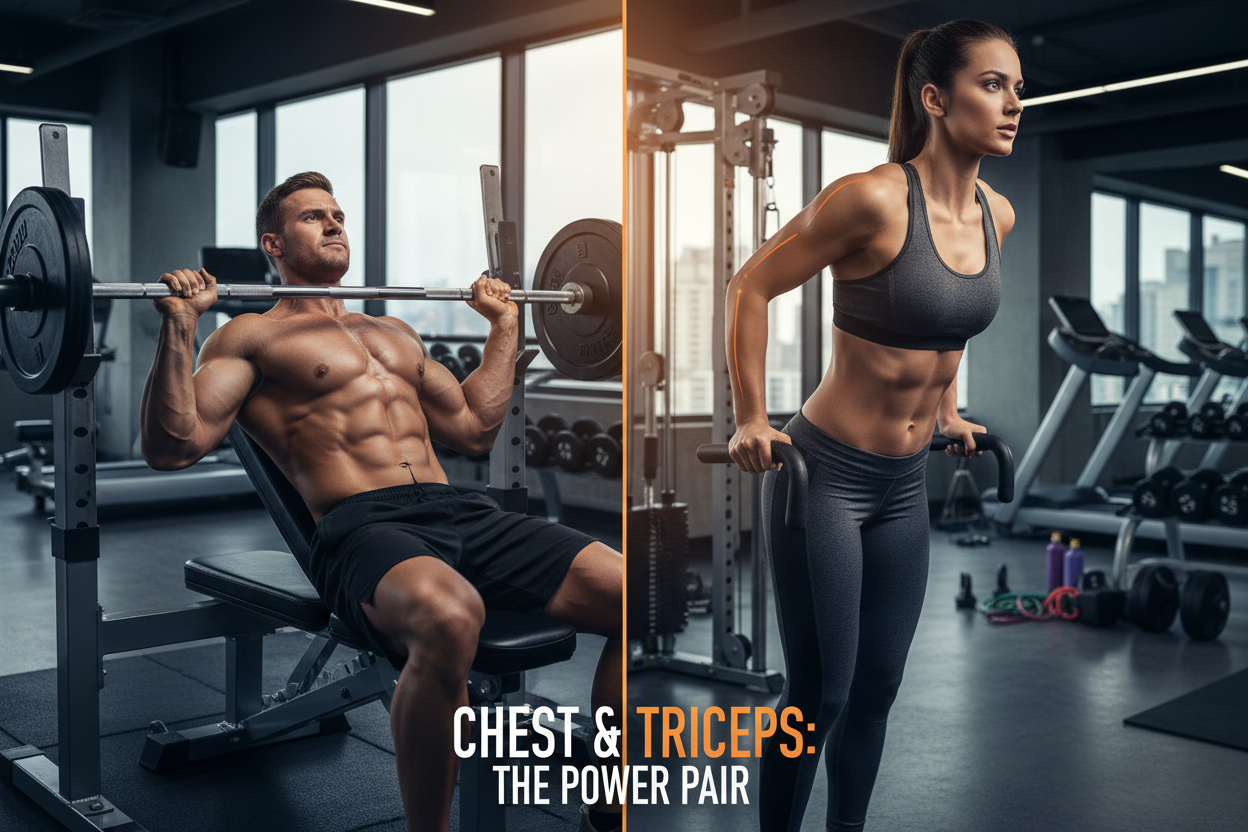
Pairing chest with triceps is efficient since most pressing exercises already activate the triceps. After doing heavy bench presses or dumbbell presses, you can follow up with tricep-focused moves such as pushdowns or overhead extensions. This maximizes training stimulus without requiring a separate day for triceps alone.
Chest + Shoulders
Shoulders – especially the front deltoids – are heavily involved in chest movements. Training them together can help ensure more balanced development across the pushing muscles. Combining incline presses for the chest with lateral raises or overhead presses for shoulders creates a well-rounded upper body routine.
Alternative Pairings for Chest
Some athletes prefer pairing chest training with unrelated muscle groups for energy management. For instance, pairing chest with biceps gives each set of muscles adequate recovery during the same workout, because chest and biceps are used in different movement patterns (push vs. pull).
Chest + Back
Though they are opposites in movement mechanics, training chest and back together is popular for balanced muscle activation. Supersetting bench presses with rows can keep your cardiovascular system active while also delivering comprehensive upper body stimulus.
Which Muscles Should Not Be Trained Together
One thing to be cautious about is training muscles that are heavily involved together in consecutive days or sessions. For example, pairing chest with heavy shoulder work and then training shoulders again the next day can lead to overuse injuries. Similarly, avoiding chest and triceps two days in a row is a wise move, as both are taxed heavily in pressing motions.
Best Muscle to Work with Chest
There’s no one-size-fits-all answer to the best pairing. However, a strong case can be made for chest + triceps workouts due to their natural synergy. For those looking for balanced physique and strength development, chest + back pairing can also be very rewarding since it engages antagonistic muscle groups and promotes joint health.
Personal Experience and Tips
From my own training journey, I’ve found that pairing chest with triceps on one day and back with biceps on another creates a manageable routine that keeps fatigue at bay. Early in my fitness path, I often made the mistake of training chest and shoulders on back-to-back days, leading to persistent shoulder discomfort. Once I adjusted my schedule to group pushing muscles together in the same session, my recovery improved noticeably and I saw faster progress in strength.
Structuring Your Chest Workout Day
For an effective chest workout day, begin with compound lifts to build strength, then move to isolation exercises for muscle detail. A sample structure might be: Bench Press (compound strength), Incline Dumbbell Press (upper chest focus), Chest Fly (isolation), Tricep Pushdowns (secondary group), Overhead Tricep Extension (secondary group finisher). Adjust weights and repetitions based on your goals.
Final Thoughts
Deciding what to workout with chest depends on your training split, recovery capacity, and overall goals. Whether you choose chest + triceps for efficiency, chest + back for balance, or chest + biceps for variety, the key is to program your week to avoid overlapping fatigue and give each muscle group adequate time to recover. Listening to your body and adjusting accordingly will ensure you make steady progress without risking injury.