Shoulder Training Mastery: The Definitive Guide for 2024
You want that coveted V-taper. We all do. Broad shoulders are the hallmark of a powerful physique, creating the illusion of a smaller waist and a stronger upper body. However, the shoulder joint is complex, mobile, and incredibly prone to injury if you don't respect the biomechanics.
Most lifters spend too much time pushing heavy weight overhead with poor form or obsessing over their front delts while neglecting the rear. To build a complete 3D look, you need a strategy that targets all three heads of the deltoid. Below, we break down the science, the safety, and the 10 best exercises for shoulders that actually deliver hypertrophy.
Key Takeaways: The Short List
- Best for Mass: Standing Barbell Overhead Press (OHP).
- Best for Width: Cable Lateral Raises.
- Best for Joint Health: Face Pulls.
- Best for Range of Motion: Arnold Press.
- Best for Safety: Landmine Press.
The Anatomy of a Boulder Shoulder
Before we touch the iron, you need to understand what you are targeting. The shoulder isn't one muscle; it's three distinct heads that require different angles.
- Anterior (Front): Handles forward flexion. Usually overdeveloped from bench pressing.
- Lateral (Side): Responsible for abduction (moving arms away from the body). This creates the width.
- Posterior (Rear): Responsible for horizontal extension. This gives the shoulder that thick, 3D look from the side.
The Power Compounds (Mass Builders)
These are your heavy hitters. They should be performed at the start of your workout when you have the most energy.
1. Standing Barbell Overhead Press
This is the gold standard. It allows for the heaviest load and recruits the entire shoulder girdle, triceps, and core. The key here isn't just pushing up; it's creating a stable shelf with your upper chest and driving the head "through the window" at the top.
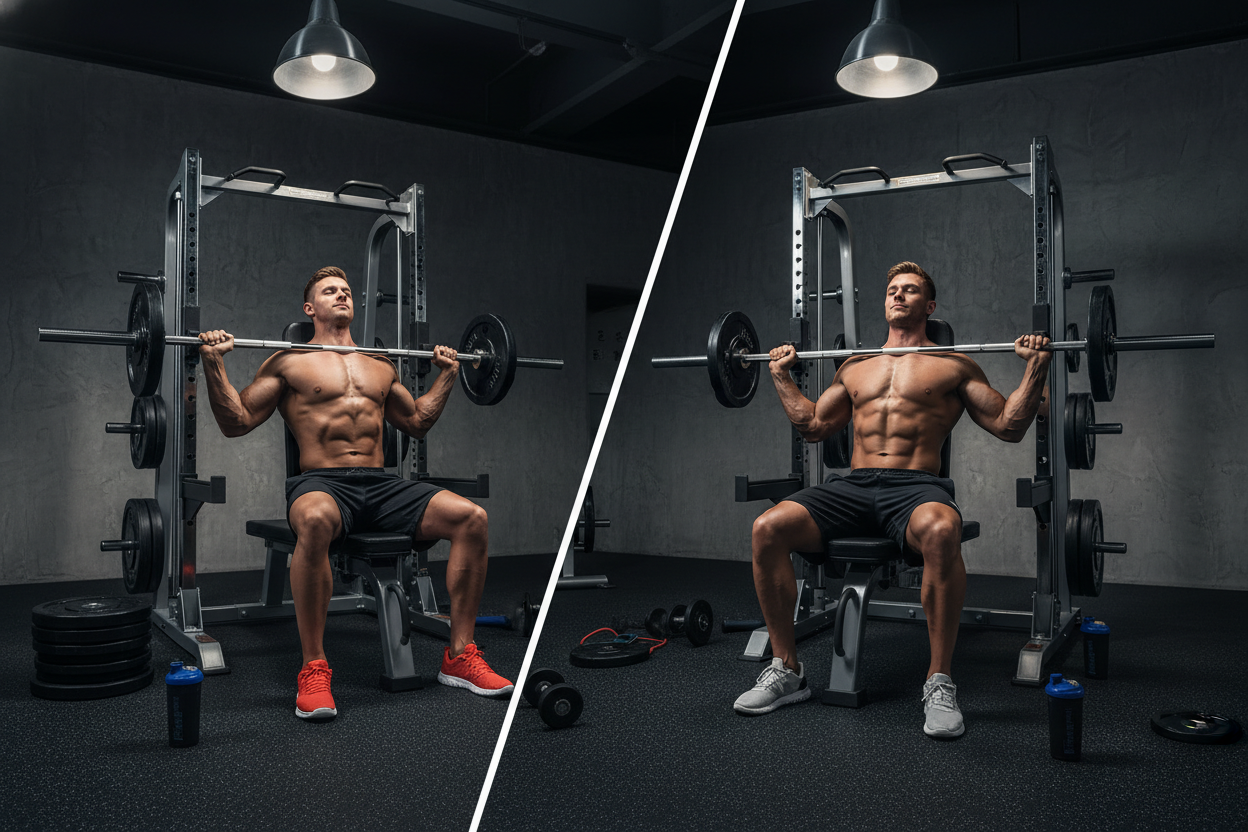
2. Seated Dumbbell Press
While the barbell is king for total power, dumbbells are superior for symmetry. If your right side is stronger than your left, the barbell hides it. Dumbbells expose it. Sitting down removes leg drive, isolating the delts more effectively than the standing variation.
3. The Arnold Press
Named after the Austrian Oak himself. This rotation movement hits all three heads of the deltoid. By starting with palms facing you and rotating out, you increase the time under tension and range of motion. It’s not about heavy weight here; it’s about control.
4. Landmine Press
This is arguably one of the top 10 exercises for shoulders if you have cranky joints. The arc of the bar allows you to press at an angle that is much friendlier to the rotator cuff than a strict vertical press.
The Isolation Movements (Width & Detail)
Once the heavy pressing is done, we move to sculpting.
5. Dumbbell Lateral Raises
This is the bread and butter for width. A common mistake? Leading with the hands. Lead with your elbows. Imagine you are puppet on a string, with the string attached to your elbows. This shifts tension from the traps to the side delts.
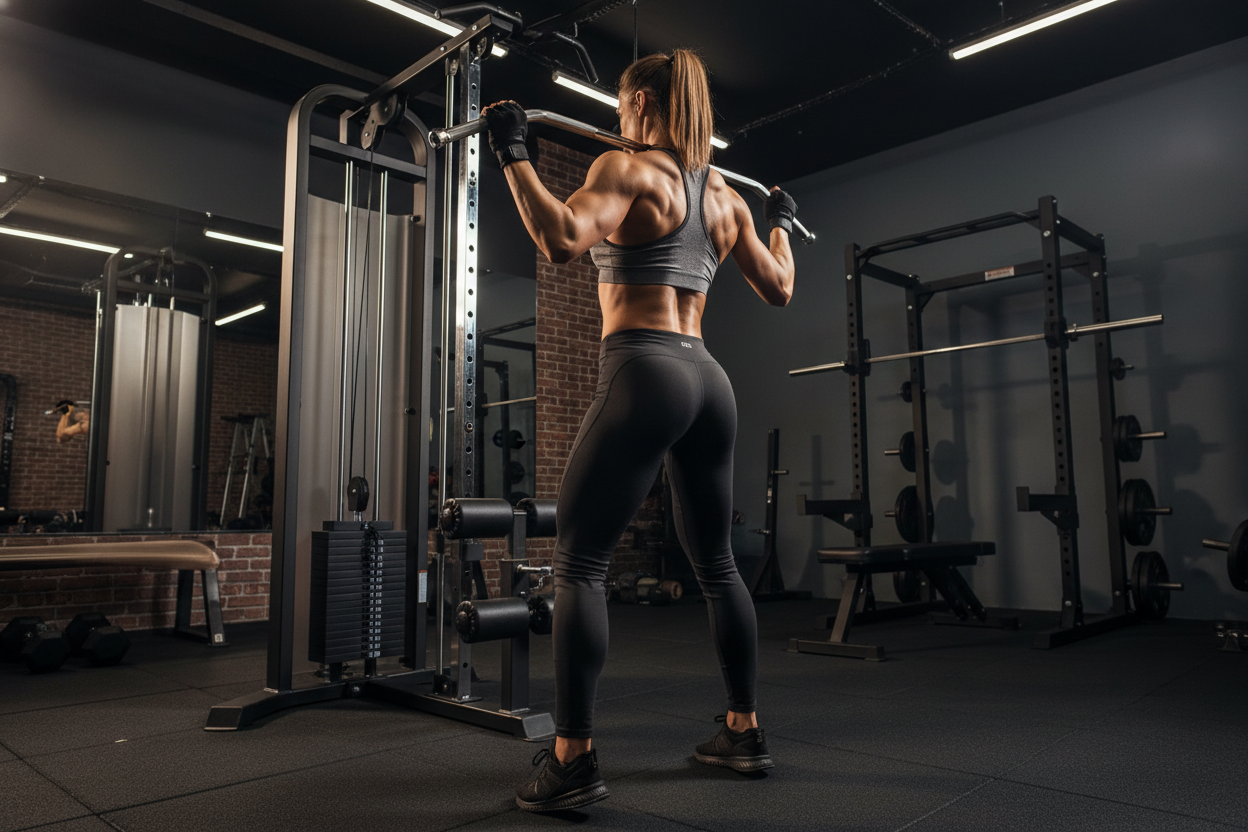
6. Egyptian Cable Lateral Raises
Dumbbells have a flaw: there is zero tension at the bottom of the movement. Cables solve this. By leaning away from the tower (Egyptian style), you maintain constant tension on the side delt through the entire range of motion.
7. Upright Rows (Wide Grip)
This move gets a bad rap for causing impingement, but that's usually because people use a narrow grip. Widen your hands to shoulder-width or slightly wider. This reduces internal rotation and hammers the side delts and traps safely.
The Posterior Chain (The Forgotten Rear Delt)
If you want to avoid the "slumped forward" look, these are non-negotiable.
8. Face Pulls
This is as much a prehab movement as it is a builder. It targets the rear delts and the external rotators. Do not go heavy. Focus on pulling the rope apart and getting your hands behind your ears.
9. Reverse Pec Deck
One of the top 10 shoulder exercises for isolation. It removes the need for stabilization, allowing you to take the rear delts to absolute failure safely. Keep your palms facing each other (neutral grip) to minimize trap involvement.
10. Chest-Supported Incline Dumbbell Row
While technically a back exercise, if you flare your elbows out to 45 degrees and pull high, this destroys the rear delts. The chest support prevents you from using momentum to cheat the weight up.
My Training Log: Real Talk
I want to be transparent about my own experience with these 10 best shoulder workouts. It took me three years to figure out why my shoulders always clicked during Upright Rows.
I remember vividly the sharp, pinching sensation deep in my AC joint every time the bar passed my nipple line. I thought I just had "bad shoulders." It wasn't until I stopped using the EZ-curl bar and switched to a wide-grip straight bar that the clicking stopped. The feeling shifted from a sharp bone-on-bone pinch to a deep, burning fatigue in the lateral head.
Another reality check: The Arnold Press. The knurling on the dumbbells at my commercial gym is aggressive. When I rotate my palms at the bottom, if I don't use chalk, the skin on my palms gets raw before my muscles actually tire out. It's those unpolished details—the skin burn, the specific angle where the waistband rolls down during a heavy OHP—that remind you that training is gritty work, not just a spreadsheet.
Conclusion
Building shoulders is a marathon, not a sprint. The shoulder joint is the most mobile joint in the body, which also makes it the most unstable. Prioritize form over ego. Incorporate these movements, rotate your heavy compounds, and don't neglect the rear delts.
Frequently Asked Questions
How often should I train shoulders?
For most natural lifters, training shoulders twice a week is optimal. This allows for sufficient volume (10-20 sets per week) while giving the rotator cuff time to recover between sessions.
Can I build shoulders with just dumbbells?
Absolutely. In fact, many of the top 10 exercises for shoulders listed above, such as the Arnold Press and Lateral Raises, are best performed with dumbbells to ensure equal muscle development on both sides.
Why do my shoulders hurt during bench press?
Shoulder pain during pressing is often due to a lack of rear delt strength or poor scapular retraction. Strengthening your rear delts with Face Pulls and Reverse Flyes can help stabilize the joint and reduce pain during chest movements.