Shop Rubber Flooring: Stop Ruining Your Home Gym Foundation
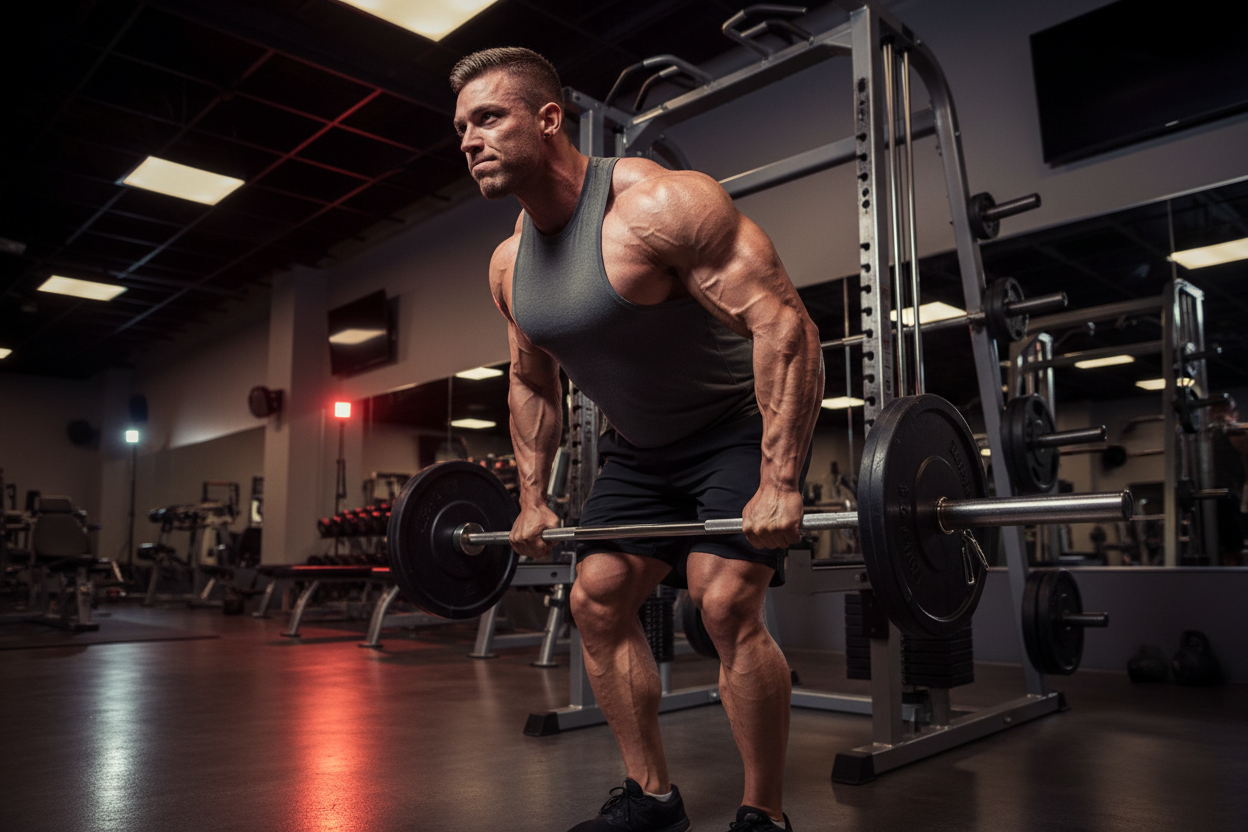
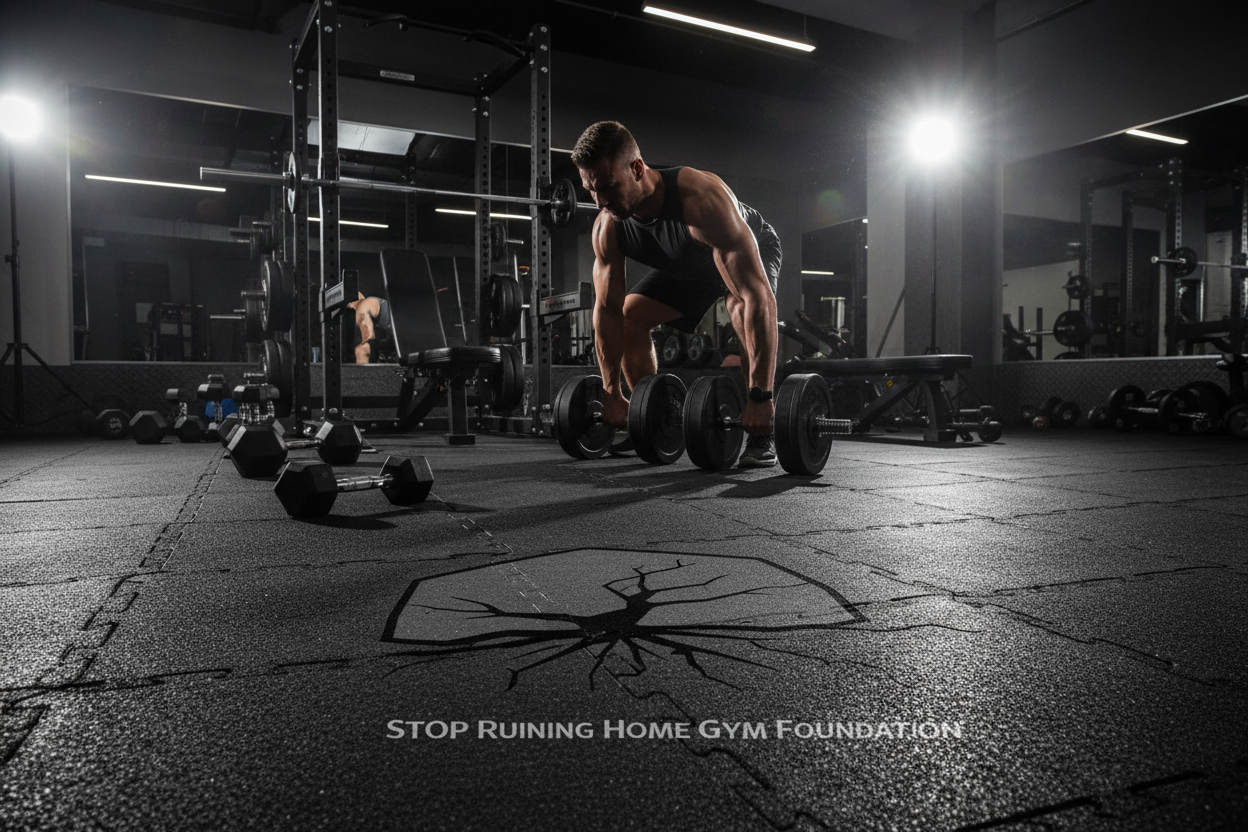
We've all been there: you're pushing for a new deadlift PR in your basement, the bar slips, and 315 pounds go crashing directly into your concrete foundation. The resulting crack is a costly reminder of why you need to protect your space. When you finally decide to shop rubber flooring, you quickly realize the market is flooded with confusing options, varying thicknesses, and massive price gaps.
Choosing the right foundation is arguably the most critical investment you'll make in your home gym. It protects your equipment, saves your subfloor, and provides the necessary joint support for high-impact training. This guide will help you navigate the noise so you can build a gym that lasts.
Key Takeaways
- Thickness matters: 8mm (5/16 inch) is standard for general fitness, while 3/4-inch is required for heavy Olympic lifting.
- Format dictates function: Interlocking tiles are best for irregular spaces, while rolled rubber is ideal for large, seamless garage gyms.
- Material dictates odor: Virgin rubber has almost no scent, whereas recycled tire rubber will need time to off-gas.
- Grip is non-negotiable: Always prioritize high-traction textures to prevent injuries during sweaty HIIT sessions or heavy squats.
Choosing the Right Format for Your Space
Interlocking Tiles vs. Rolled Rubber
When outfitting a North American garage or basement gym, your two main choices are interlocking tiles and rolled rubber. Interlocking tiles are incredibly DIY-friendly and perfect for smaller or irregularly shaped rooms. If you ever move, you can simply pack them up. Rolled rubber, on the other hand, provides a premium, seamless look that prevents dust and chalk from settling into the cracks. It's the gold standard for permanent, wall-to-wall installations.
Performance and Safety Considerations
The Importance of Traction
Your flooring needs to perform under pressure. Whether you're doing plyometrics or grinding out a heavy bench press, a solid foot-drive is essential. Opting for dedicated rubber non slip flooring ensures that even when your gym gets humid or sweaty, your feet stay firmly planted. This is especially crucial for indoor rubber flooring in climate-controlled basements where moisture can occasionally build up on slicker surfaces.
Budgeting and Sourcing Your Foundation
Getting the Best Bang for Your Buck
Knowing exactly where to buy rubber flooring can save you hundreds of dollars. While big-box hardware stores offer convenience, they often mark up thin, low-density mats that compress under heavy racks. For the best value, look for a dedicated fitness equipment supplier or wait for a major holiday rubber flooring sale. If you're outfitting a massive commercial space or a multi-car garage, inquiring about rubber flooring wholesale pricing directly from manufacturers can drastically cut your cost per square foot.
From Our Gym: Honest Take
When I first built my 400-square-foot garage gym, I tried to save money by using cheap, low-density foam mats. Big mistake. Within three months, my power rack had permanently compressed the foam, making the whole structure wobble during pull-ups. I finally bit the bullet and upgraded to 3/8-inch vulcanized rolled rubber.
The difference was night and day. My chalked grip felt more secure during deadlifts, the noise reduction kept my neighbors happy, and after two years of dropping heavy dumbbells, there isn't a single gouge in the material. One caveat: if you go with recycled rubber, be prepared to leave your garage door open with a fan running for the first week to let it off-gas. The initial smell is strong, but it fades completely.
Frequently Asked Questions
How thick should my gym flooring be?
For general strength training, cardio equipment, and dumbbells, 8mm (about 5/16 inch) is the industry standard. If you regularly drop heavy barbells from overhead or waist height, upgrade to 1/2-inch or 3/4-inch thick mats to protect your concrete subfloor.
Does indoor rubber flooring smell bad?
Recycled rubber products will have a distinct car tire smell when first unrolled, known as off-gassing. This usually dissipates within a few days to a week in a well-ventilated space. Virgin rubber products have virtually no odor but come at a higher price point.
Can I install gym flooring over carpet?
It is highly discouraged. Placing heavy rubber mats over plush carpet creates an unstable, squishy surface that is dangerous for heavy lifting (especially squats and deadlifts). If you must build over carpet, lay down a layer of 3/4-inch plywood first to create a rigid subfloor.