Sculpting Steel: The Real Blueprint for Building Athletic, Defined Legs
Getting legs that look powerful and aesthetic isn't about doing thousands of air kicks or spending hours on the elliptical. If you want visible definition, you have to build the muscle underneath the skin while managing your body composition. A truly effective defined legs workout focuses on resistance training that challenges the quadriceps, hamstrings, and glutes, forcing them to adapt and grow. The shape you desire comes from the muscle curve pressing against the skin, so don't fear the weights.
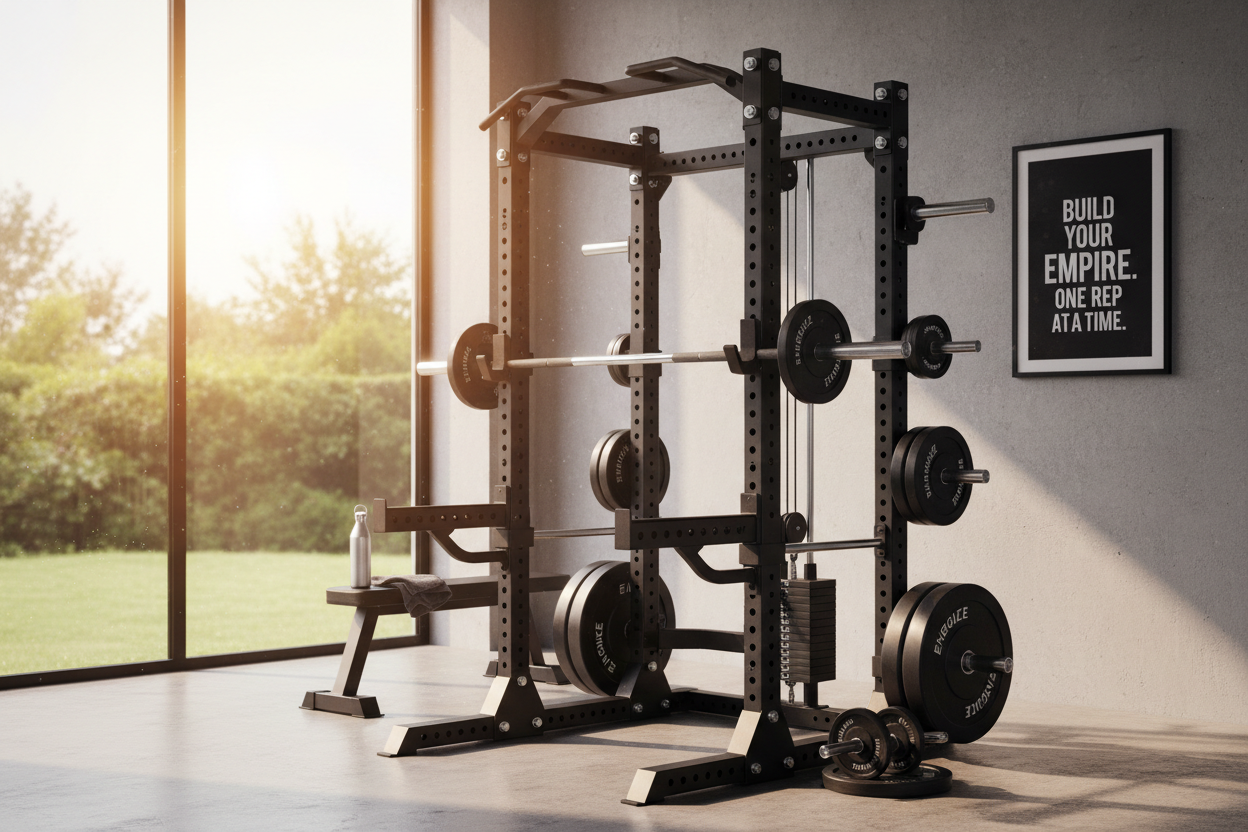
I remember spending the early years of my fitness journey purely as a runner. I thought pounding the pavement for miles was the golden ticket to an athletic lower body. Instead, my legs just got smaller and flatter. I had endurance, sure, but I lacked that sweeping quad curve and the hamstring separation I saw in sprinters and weightlifters. It wasn't until I swallowed my pride, stepped off the treadmill, and walked into the squat rack that things changed. The iron taught me that shape isn't whittled away; it is built, rep by rep, under tension.
Understanding the Anatomy of Leg Shape
To construct a lower body that turns heads, you need to understand what you are actually targeting. The leg is a complex system of levers and pulleys. The quadriceps on the front of the thigh provide that outer sweep and front thickness. The hamstrings on the back are responsible for the silhouette when viewed from the side, and the calves provide the visual anchor for the whole structure. Many people obsess over inner thigh gaps, but a balanced leg shape exercise routine prioritizes the entire circumference of the leg.
Neglecting the posterior chain (the back of the legs) is the most common mistake. Focusing only on what you see in the mirror leads to an imbalance where the quads overpower the hamstrings, often leading to knee issues and a lack of overall aesthetic flow. Symmetry is the goal.
The Compound Movements That Matter
Isolation movements have their place, but your primary focus should be on compound lifts. These move multiple joints and muscle groups simultaneously, allowing you to move the most weight and stimulate the most growth hormone release.
The Squat Variation
Whether it is a barbell back squat, a front squat, or a heavy goblet squat, you need a knee-dominant movement. Squats are the king of leg development for a reason. They demand stability from your core and drive from your quads. If you have back issues, the goblet squat is arguably the best shape leg workout foundation because the front-loaded weight forces you to keep an upright torso, reducing shear force on the spine while hammering the quads.
The Hinge Movement
To balance the squat, you need a hip hinge. The Romanian Deadlift (RDL) is non-negotiable here. Unlike a conventional deadlift where you drop your hips, the RDL keeps the hips high and focuses on a deep stretch in the hamstrings. This is where you carve out the separation between the glutes and the legs. Control is everything here; if you rush the descent, you shift the tension to your lower back, missing the target entirely.
Unilateral Training: The Secret Weapon
If you have been squatting and deadlifting but still feel your development is stagnant, single-leg work is likely the missing link. We all have a dominant side. Bilateral movements allow the stronger leg to compensate for the weaker one. Unilateral exercises force each leg to carry its own load, fixing imbalances and increasing overall stability.
The Bulgarian Split Squat is notoriously difficult, but it is arguably the single most effective exercise for nice legs that exists. By elevating the rear foot, you place immense tension on the front quad and glute. It creates a deep stretch under load, which is a potent trigger for hypertrophy (muscle growth). Walking lunges are another fantastic option, adding a dynamic element that challenges your coordination and fires up the smaller stabilizing muscles around the knee and hip.
Fine-Tuning with Accessories
Once the heavy lifting is done, you can move to machines or lighter weights to fully exhaust the muscles without taxing your central nervous system. This is where you can chase the "pump" safely.
Leg extensions are excellent for targeting the rectus femoris, the only quad muscle that crosses the hip joint. Leg curls (seated or lying) isolate the hamstrings without lower back involvement. Don't forget the calves. Standing calf raises with a pause at the bottom and a hard squeeze at the top are essential. Bouncing through calf raises is a waste of time; the Achilles tendon is like a spring and will do the work for you if you don't pause to dissipate the elastic energy.
Structuring Your Routine
A random collection of exercises won't get you far. You need a structured approach. A solid plan for leg shaping workouts should be performed twice a week to maximize protein synthesis signals. Here is a framework to consider:
- A Squat Variation: 3-4 sets of 6-10 reps (Focus on depth and control)
- A Hinge Variation (RDL): 3-4 sets of 8-12 reps (Focus on the stretch)
- Unilateral Movement (Lunges/Split Squats): 3 sets of 10-12 reps per leg
- Accessory Isolation (Extensions/Curls): 3 sets of 15-20 reps
- Calf Work: 4 sets of 15-20 reps (Slow tempo)
The Role of Nutrition and Consistency
You can perform the perfect workout, but if your nutrition doesn't support it, the results will remain hidden. To see the definition you are building, body fat levels need to be low enough for the muscle separation to show. This doesn't mean starving yourself. In fact, to build the shape initially, you need adequate protein and carbohydrates to fuel these intense sessions.
Recovery is just as vital as the training itself. Legs are large muscle groups, and training them causes significant systemic fatigue. Sleep, hydration, and stress management play huge roles in how your body repairs the tissue. If you are constantly sore to the point where you can't walk, you might be overdoing the volume. Stimulate, don't annihilate. The goal is to spark growth and then let the body do its work during rest.
Frequently Asked Questions
Will lifting heavy weights make my legs look bulky?
No, getting "bulky" requires a massive calorie surplus and specific hormonal environments that most people don't naturally have. Lifting heavy builds the dense muscle that creates a firm, athletic shape, while diet controls the overall size.
How often should I train my legs for the best results?
Training legs twice a week is generally optimal for most natural lifters. This frequency balances the need for recovery with enough stimulation to signal the body to keep the muscle tissue adapted and growing.
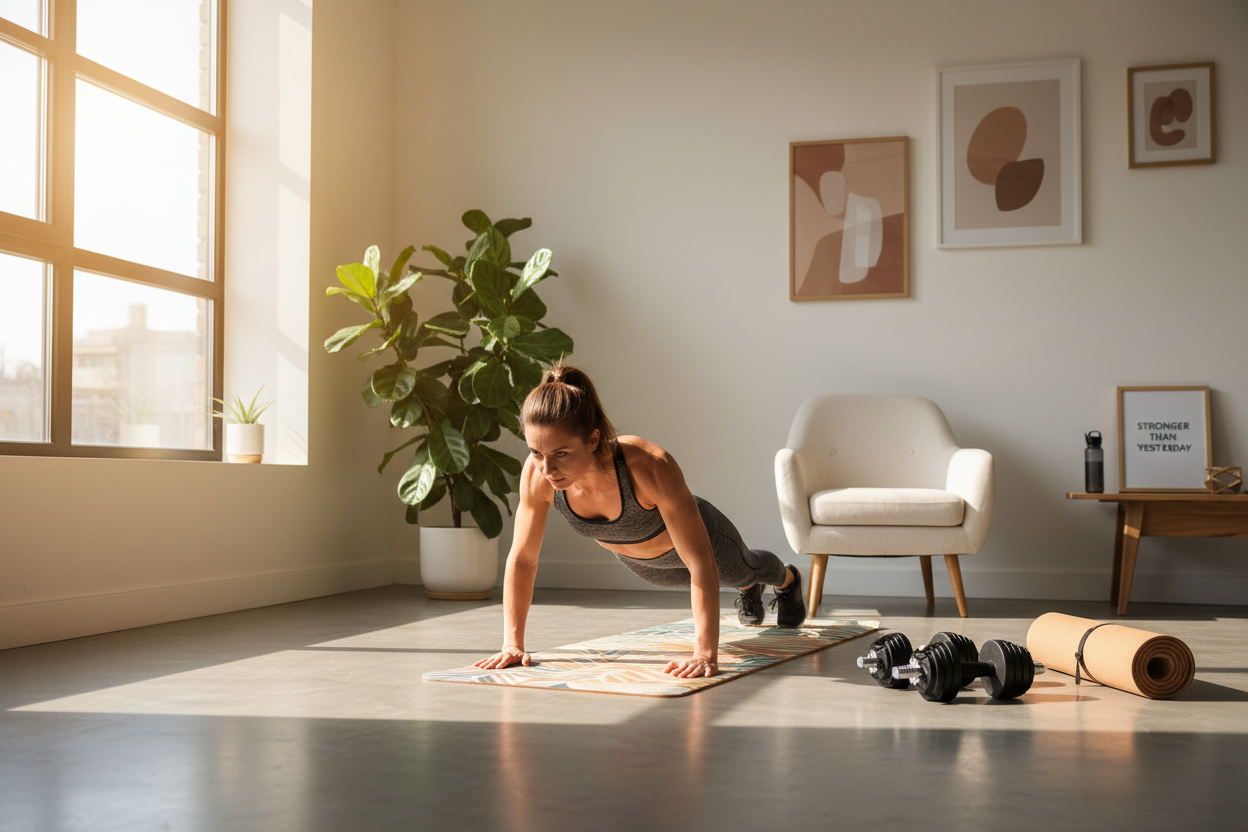
Can I shape my legs without gym equipment?
While weights make it easier to apply progressive overload, you can get great results with bodyweight variations like pistol squats, jump lunges, and Nordic hamstring curls. You simply need to increase the reps or decrease rest times to keep the intensity high.