Reclaim Your Floor: The Ultimate Guide to Home Gym Organization and Safety
Tripping over a stray 25-pound hex dumbbell in the middle of a superset isn't just annoying; it is a fast track to a broken toe or a twisted ankle. If you have been lifting for any amount of time, you know that accumulation is inevitable. You start with a single pair, and before you know it, you are navigating a minefield of cast iron and rubber. A proper rack for dumbbells is not merely an aesthetic choice for your garage or spare room; it is a fundamental safety requirement that protects your body, your equipment, and your flooring.
Many lifters underestimate the impact of organization on their workout intensity. When you have to hunt for the matching 15-pounder under a pile of laundry or in the corner of the room, your heart rate drops, and your focus breaks. Implementing a dedicated free weight rack system streamlines your routine, allowing you to grab, lift, and re-rack without breaking your flow. Whether you are working with a massive collection of steel plates or a modest set of neoprene hand weights, getting them off the floor is the first step toward a professional-grade home setup.
Why Floor Storage is a Recipe for Disaster
Leaving heavy gear on the ground is a habit that ruins floors. I learned this the hard way a few years ago. I was keeping my weights and rack separate—specifically, I had the rack in the box and the weights on my hardwood floor. Over six months, the humidity trapped under the rubber heads of the dumbbells caused discoloration on the wood, and the constant impact of setting them down created micro-dents that were expensive to fix. A dedicated dumbbell rack home setup acts as a shield for your property.
Beyond the floor damage, there is the issue of equipment longevity. Dumbbell racks facilitate air circulation around the metal handles, which helps prevent rust accumulation—a common killer of gym gear in humid garage environments. Using a weight organizer ensures your investment lasts for decades rather than just a few seasons. If you have ever picked up a weight covered in dust bunnies and grime, you understand why a weight caddy or elevated storage is necessary for hygiene.
Choosing the Right Configuration for Your Space
Not all storage solutions are built the same, and the footprint of your gym dictates what you should buy. If you are tight on space, a vertical dumbbell tower set is often the best route. These vertical stands utilize height rather than floor width, making them perfect for corners. They typically serve as a stand for hand weights ranging from 5 to 30 pounds. However, they can become unstable if you overload the top tiers with heavy iron, so checking the weight rating is non-negotiable.
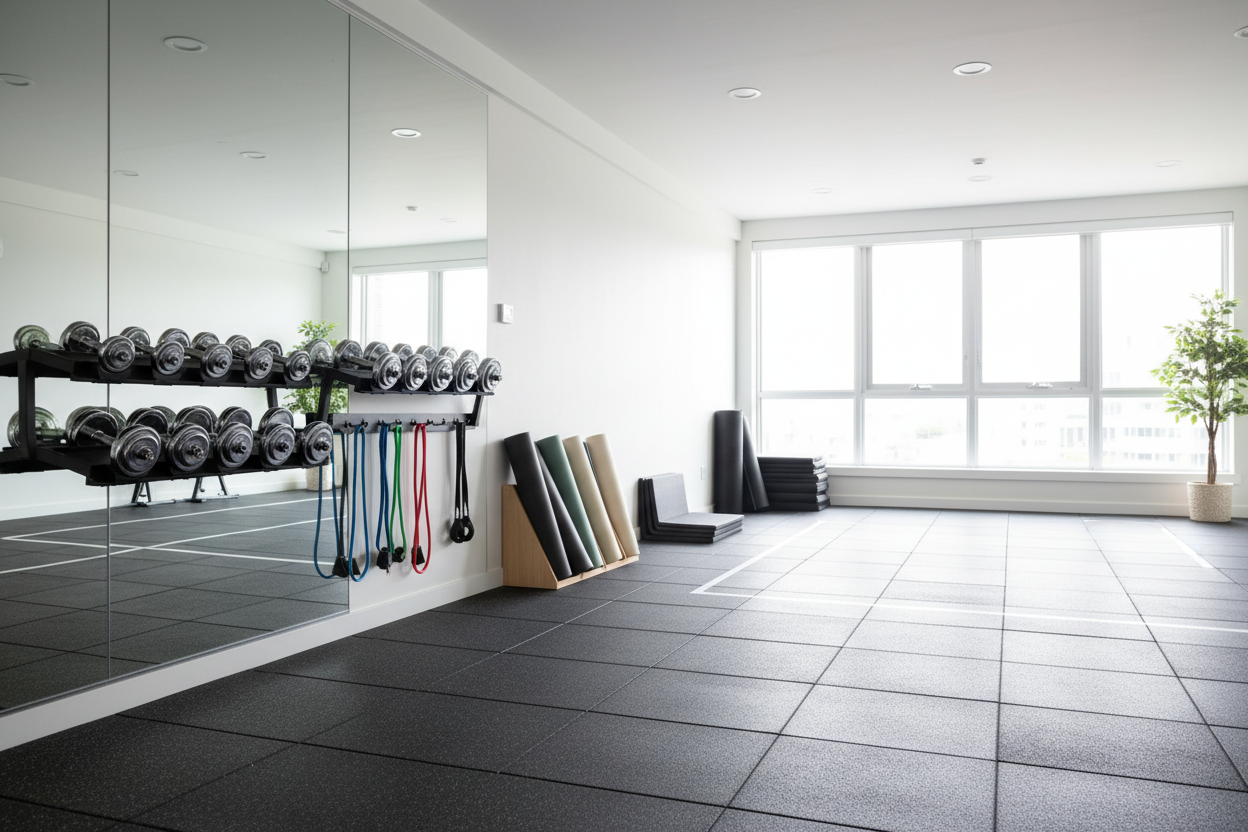
For those with more square footage, a horizontal weight rack for dumbbells is the gold standard. These usually feature two or three tiers and offer the stability needed for heavy lifting. A sturdy dumbbell rack weight capacity can exceed 1,000 pounds on these horizontal models. They also make it easier to organize by increment, acting as a visual dumbbell organizer that lets you see exactly where your next progression is. If you have a mix of equipment, you might look for a dumbbell and weight plate rack combo, which provides pegs for plates and rails for dumbbells in one unit.
The A-Frame Option
Somewhere between the vertical tower and the long horizontal shelf lies the A-frame. This is often a small weights rack designed for compact spaces but with better stability than a single vertical pole. An A-frame dumbbell holder is excellent for hex weights because the cradles prevent rolling. If you are looking for a cute weight rack for a studio apartment or a lighter aesthetic, A-frames often come in sleeker designs that look less industrial than the massive weight racks for gyms you see in commercial centers.
Material Matters: Steel vs. Plastic
You might be tempted to save money and buy a weight rack cheap, but materials dictate safety. Plastic hand weight racks are generally fine for vinyl-coated weights under 10 pounds, but they will buckle under serious load. You want heavy-gauge steel. When shopping for a free weights holder, look for welded joints rather than just bolts, as these offer superior rigidity.
I once bought a budget weight set stand made of thin aluminum. Every time I re-racked a 50-pound weight, the entire structure swayed. It was terrifying. I replaced it within a week with a heavy-duty dumbbell weight stand made of powder-coated steel. The peace of mind was worth the extra cost. A solid weight rack stand should feel like part of the building—immovable and secure.
Specialized Storage for Different Weights
Standard iron dumbbells aren't the only things needing organization. If you utilize neoprene or vinyl weights for high-repetition aerobics, you need a specific hand weights holder. These weights are often smaller and slicker, meaning they slip off standard rails. A hand weight holder usually features vertical slots or smaller cradles designed specifically for these grips. Sometimes, a dumbbell storage box can suffice for these smaller items, but a display rack is always more accessible.
For those who buy kits, purchasing a weight with rack included is often the most economical path. These bundles ensure the dumbbell racks and weights fit perfectly together. Mis-matched sets can be a headache; putting round bells on a flat shelf for weights without a lip can lead to them rolling off and crushing a toe. Always ensure your shelves for weights match the geometry of the weights you own.
Organizing Your Rack for Efficiency
Once you have your free weight rack system installed, organization strategy comes into play. The heaviest items should always go on the bottom weights stands or shelves. This lowers the center of gravity of the unit, preventing tipping. It is also safer for you; pulling a 100-pound dumbbell off a top shelf is a shoulder injury waiting to happen. Keep the lighter hand weights stand section at the top.
Group your weights by type. Keep your rubber hexes on the main dumbbell rack storage rails and your adjustable handles or collars in a separate bin or weight holder for hand weights. If you have a gym weight stand that includes storage for medicine balls or kettlebells, keep those on the flat trays usually provided at the top or bottom of the unit.
Maintaining a clean gym environment motivates you to train. A cluttered floor is a psychological barrier to starting a workout. By investing in a proper weights holder rack or a comprehensive weight rack and weights system, you are telling yourself that your training is a priority. It transforms a room full of heavy objects into a dedicated sanctuary for self-improvement. Whether it is a massive commercial unit or a dumbbell set with storage rack for the corner of your bedroom, the organization is the key to consistency.
Common Questions About Weight Storage
Can I use a regular bookshelf as a weight rack?
No, this is highly unsafe. Standard bookshelves are designed to hold paper, not concentrated iron. A weight rack for dumbbells is engineered to withstand hundreds of pounds of point-load pressure, whereas a wooden bookshelf will likely collapse, causing injury or floor damage.
How much space do I need for a dumbbell rack?
It depends on the style. A vertical dumbbell tower set requires only about 18x18 inches of floor space, making it ideal for apartments. A horizontal gym weights holder typically requires 4 to 6 feet of wall space, plus an additional 2 feet of clearance in front to safely remove the weights.
Do dumbbell racks require maintenance?
Yes, but very little. You should wipe down your db racks and dumbbell rack holder rails periodically to remove sweat and chalk, which can cause rust. Check the bolts on your free weights stand every few months to ensure they haven't loosened from the vibration of re-racking weights.