Pull-Up Station Explained: What to Know Before You Buy
Building a formidable back and core without leaving your house used to mean risking damage to your doorframes. If you have ever experienced the terrifying crunch of a doorway bar slipping mid-rep, you already know why upgrading to a dedicated, freestanding unit is a game-changer. A high-quality pull-up station provides the stability and versatility you need to train hard safely.
Whether you are outfitting a two-car garage or squeezing equipment into a spare bedroom, finding the right pull up station for home use requires a bit of strategy. From weight capacities to ceiling clearances, this guide will help you find the perfect fit for your space and training style.
Key Takeaways
- Measure vertically: Base footprint and ceiling height are the two most critical dimensions to measure before buying.
- Prioritize stability: Look for a minimum weight capacity of 300 lbs to ensure stability during dynamic movements.
- Seek versatility: A true home gym pull up station offers multi-grip options, dip bars, and push-up handles for full upper-body workouts.
- Check the steel: Heavier steel frames (11-gauge to 14-gauge) prevent the dreaded wobble found in budget models.
Sizing Up Your Space and Specs
Measuring for the Perfect Fit
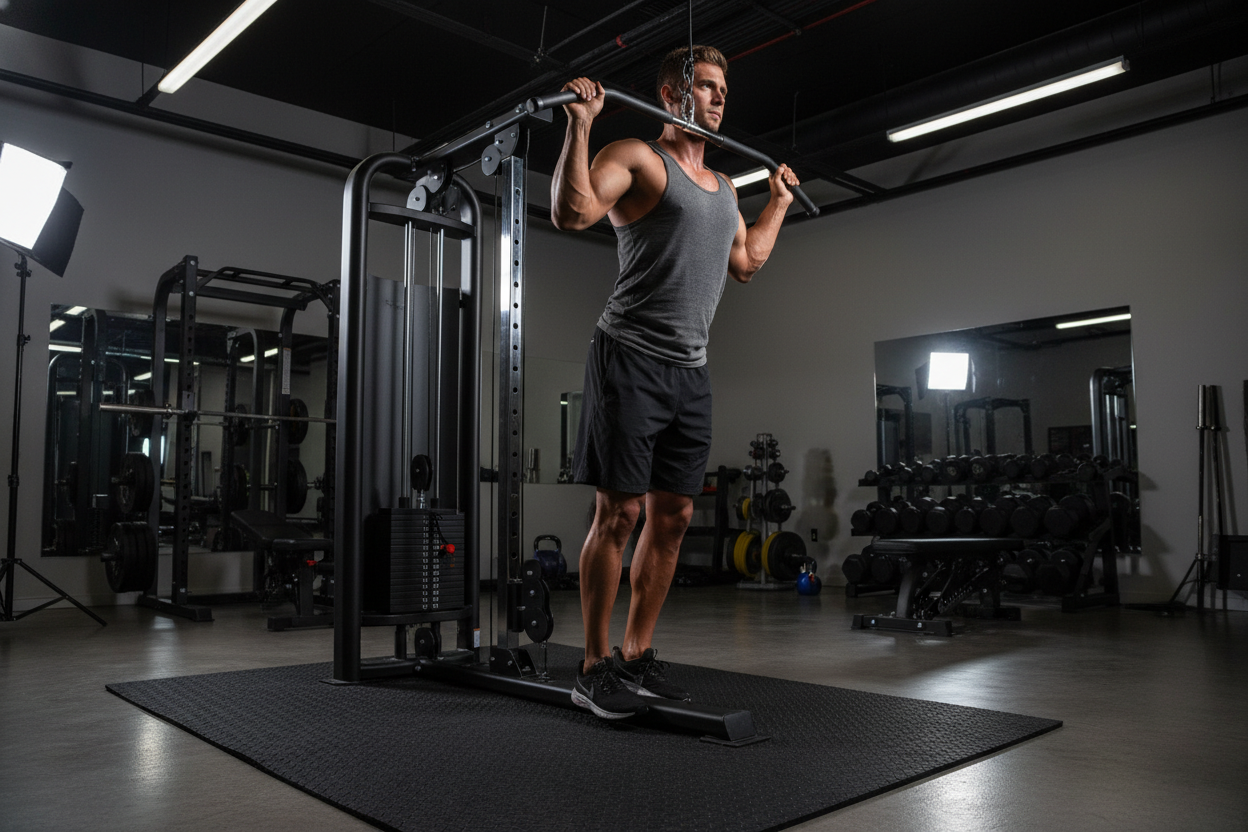
You cannot just guess your ceiling height. A standard pull up bar station typically stands between 80 and 85 inches tall. You need at least 12 to 18 inches of clearance above the highest bar so you do not smash your head through the drywall at the top of your rep. For apartment dwellers, a compact pull up station home setup is ideal, but garage gyms can accommodate taller, wider bases with extended outriggers.
Weight Capacity and Frame Build
Stability is everything. When shopping for a pull up bar station for home, prioritize 14-gauge steel or thicker. A higher weight limit (300+ lbs) is not just about how much you weigh; it indicates how well the tower will resist swaying when you generate momentum. The heavier the base, the safer you will feel during explosive movements or weighted dips.
Maximizing Your Training
Beyond the Basic Pull-Up
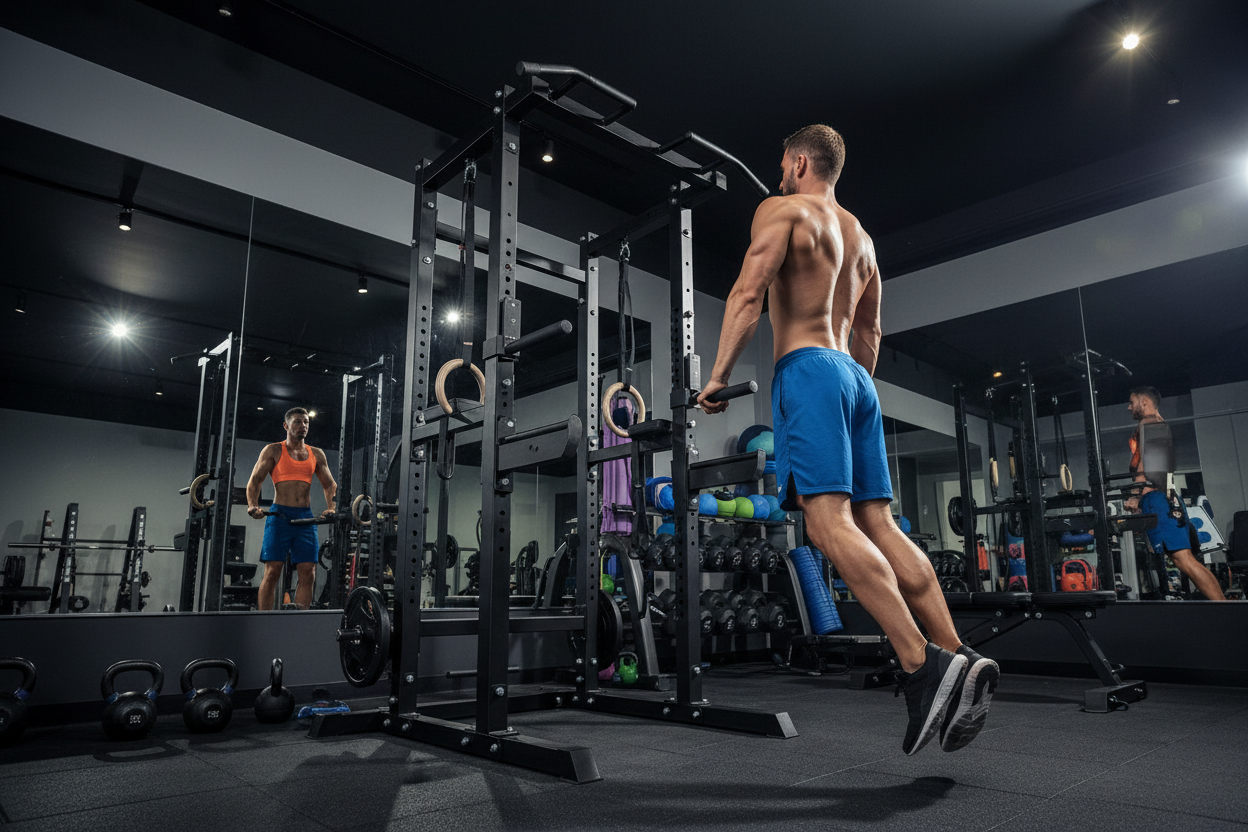
It is not just for lat pulldowns and chin-ups. A versatile home pull up.bar station acts as a central hub for calisthenics, allowing for dips, vertical knee raises, and deficit push-ups. By utilizing different grips—wide, neutral, and underhand—you can comprehensively target your lats, biceps, and traps. Incorporating gymnastic rings or resistance bands can further expand the functionality of any standard pull bar station.
From Our Gym: Honest Take
I have tested dozens of freestanding towers, and the biggest lie told by budget manufacturers is the promise of a 'wobble-free design.' When we set up a popular entry-level model in our testing garage, doing strict dead-hang pull-ups was fine. But the moment I added a 45lb plate to my dip belt, the entire frame shifted on the rubber mats.
My advice? Pay attention to the base frame. An H-shaped or U-shaped base that extends well past the vertical uprights is mandatory. Also, the foam grips on cheaper models tear within months; I ended up wrapping ours in athletic tape after just six weeks of heavy use. If you plan on doing weighted calisthenics, spend the extra $100 for a commercial-grade frame. It is an investment in your safety.
Frequently Asked Questions
Is a pull up station for home worth the space?
Absolutely. It offers a safe, non-damaging alternative to doorway bars and provides a complete upper-body calisthenics workout in a relatively small footprint. It is one of the highest ROI pieces of equipment for bodyweight training.
How much floor space do I need?
Plan for a floor footprint of at least 4 feet by 4 feet. You will also need room to comfortably step on and off the equipment, so leaving a 2-foot buffer around the sides is highly recommended.
Can I use my station on carpet?
While possible, thick carpet can compromise stability and increase wobbling. It is highly recommended to place your station on hard floors, concrete, or dense rubber gym mats to maximize grip and safety.