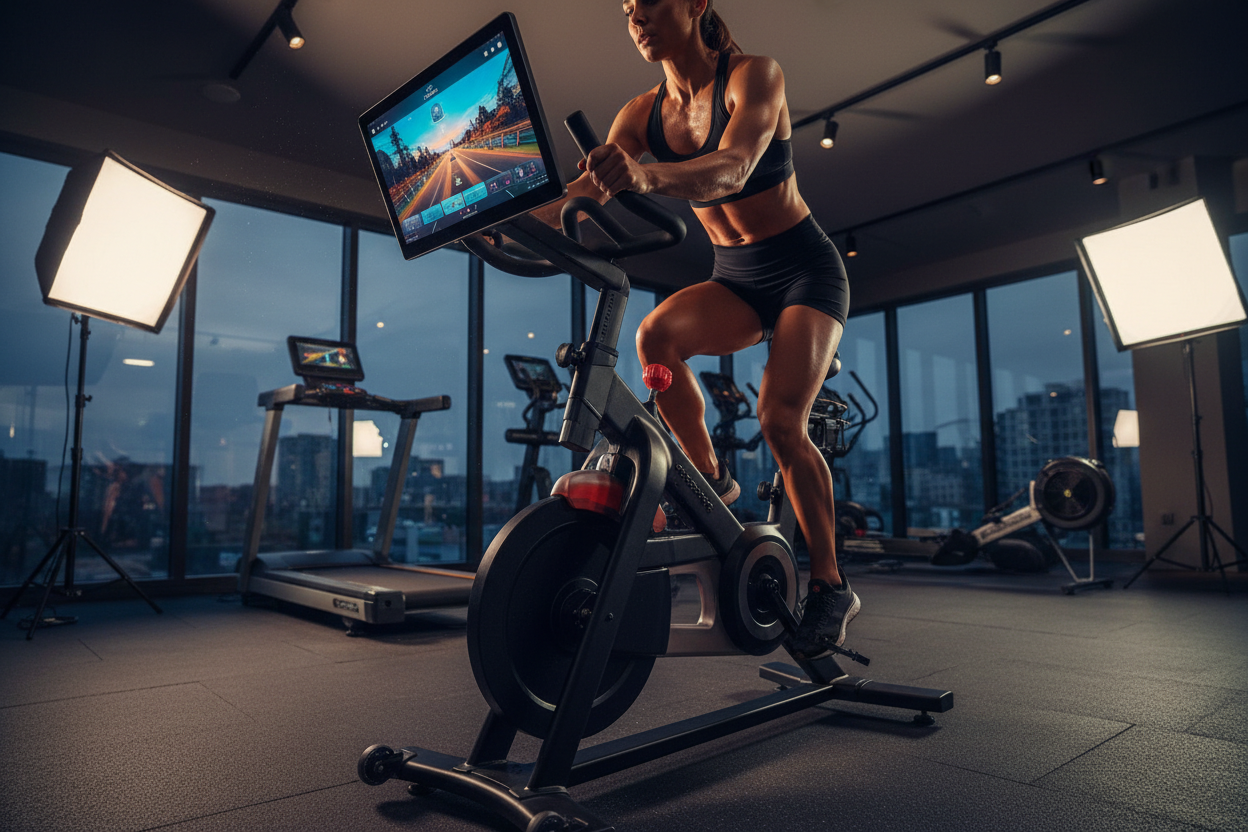
Programmable Exercise Bike: Is It Actually Worth the Upgrade?
Let's face it: manually twisting a resistance knob while gasping for air ruins the flow of a good indoor ride. If you have hit a cardio plateau or struggle with workout consistency, upgrading to a programmable exercise bike might be the exact shift your home gym needs. By taking the guesswork out of your routine, these smart machines let you focus entirely on your effort rather than your settings.
This guide breaks down what separates smart, auto-adjusting bikes from basic spin models, helping you decide if the investment makes sense for your space, budget, and fitness goals.
Key Takeaways
- Auto-adjusting resistance mimics real-world terrain, keeping you engaged without manual tweaking.
- Magnetic resistance systems offer the quietest, most maintenance-free experience for home gyms.
- An exercise bike with programmed workouts is ideal for structured HIIT and endurance training.
- Expect a slightly larger footprint and the need for a dedicated power outlet compared to manual friction bikes.
Choosing the Right Tech for Your Home Gym
Magnetic Resistance vs. Friction
When shopping for a programmable exercise bike, you will almost exclusively be looking at magnetic resistance systems. Unlike traditional friction pads that wear down and create dust, magnetic flywheels use electric currents to move magnets closer to or further from the wheel. This creates a frictionless, whisper-quiet ride that is perfect for shared living spaces or early morning basement sessions.
Console Features and Connectivity
The brain of the bike dictates your experience. Entry-level models typically feature basic LCD screens with built-in interval and hill profiles. However, if you want a true modern experience, look for Bluetooth connectivity. This allows your bike to sync with third-party apps, automatically adjusting your resistance to match the virtual hills on your tablet or smart TV.
Maximizing Your Training
Breaking Through Plateaus
One of the biggest hurdles in home fitness is the lack of a coach pushing you. An exercise bike with programs acts as a virtual personal trainer. Whether you are doing a 20-minute Tabata sprint or a 60-minute steady-state climb, the machine forces you to hit specific wattages or resistance levels. This structured progressive overload is exactly what you need to break through stubborn cardiovascular plateaus.
Space and Setup Considerations
Footprint and Power Requirements
Most standard indoor cycles require a footprint of about 4 feet by 2 feet. However, programmable models require slightly more planning. Because the magnetic motor and digital console require constant electricity, you cannot just drop the bike in the middle of a room. You will need to position it near a wall outlet or safely manage an extension cord to avoid tripping hazards in your gym space.
From Our Gym: Honest Take
We recently tested a mid-tier programmable model in our basement garage setup for three months. The auto-resistance feature during a virtual 5-mile hill climb was flawless—my legs felt the burn exactly when the screen showed an incline, without me ever breaking my grip to touch the console. It completely changed the immersion level of the workout.
However, I do have one minor caveat: cable management. Because our best TV viewing angle was in the center of the room, we had to run a heavy-duty extension cord across the rubber gym flooring. It is a small annoyance, but if you are planning your gym layout, definitely map out your wall outlets before buying.
Frequently Asked Questions
Do I need a monthly subscription to use a programmable bike?
Not necessarily. Almost every exercise bike with programs includes built-in, free routines (like rolling hills or fat-burn intervals) right on the console. However, if you want live classes or interactive virtual environments, you will typically need a subscription to a companion app.
How much floor space do I actually need?
While the bike itself may only be 48 inches long and 24 inches wide, you should leave at least 24 inches of clearance on all sides for safe mounting, dismounting, and maintenance. If you are doing out-of-the-saddle climbs, ensure your ceiling height is at least 15 inches taller than your standing height.
Are these bikes louder than manual ones?
Actually, they are usually much quieter. Because programmable bikes rely on magnetic resistance rather than physical brake pads rubbing against a metal flywheel, the only sound you will hear is the quiet whir of the belt drive and your own heavy breathing.