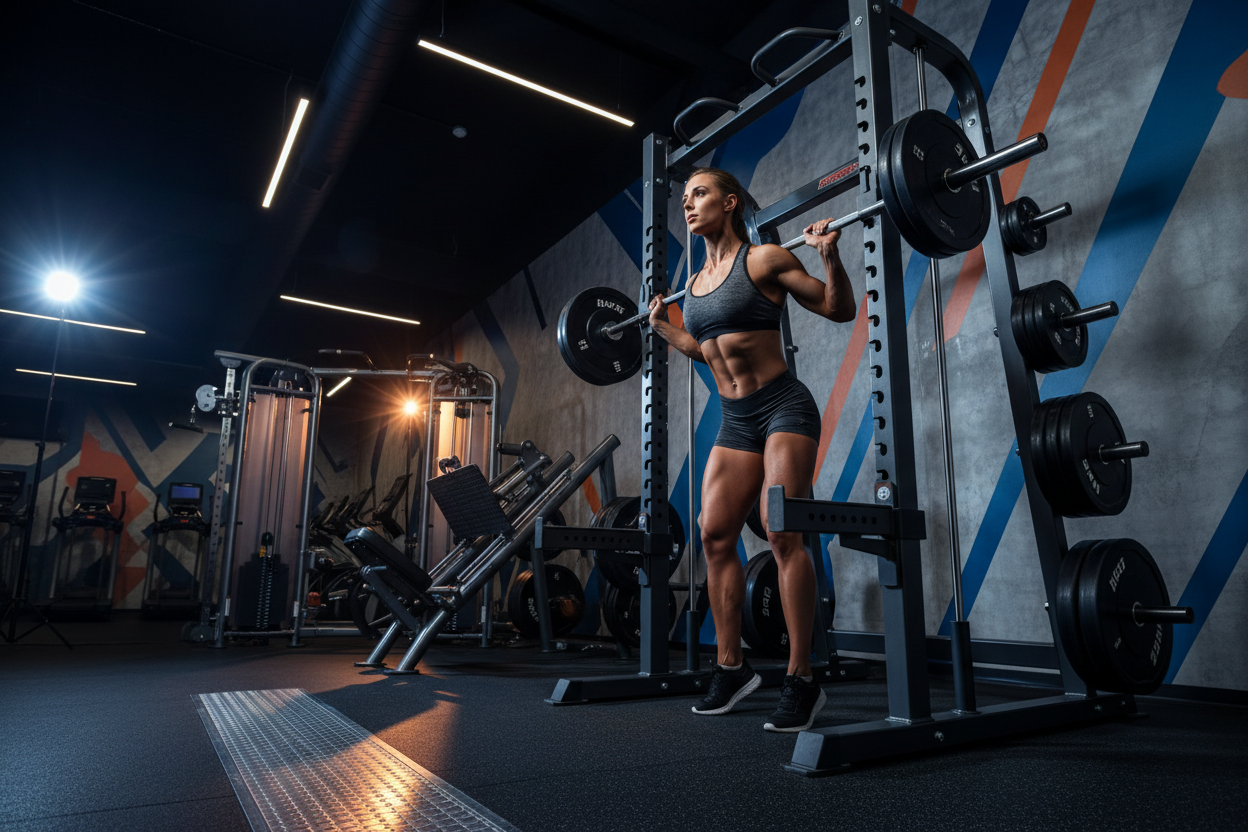
Professional Exercise Equipment: The Ultimate Buyer’s Guide
You know the feeling. You walk into a commercial gym, load up a barbell, and everything feels solid. There is no wobble, no rattling, and the movement feels smooth. Then, you try to replicate that workout on a budget home setup, and it just feels... off. That difference comes down to the engineering behind professional exercise equipment.
Building a facility or a high-end home gym isn't just about spending more money; it's about understanding biomechanics, steel gauges, and usage ratings. Whether you are outfitting a training studio or just tired of replacing cheap gear, understanding the specs is non-negotiable.
Key Takeaways: What Defines Professional Gear?
- Structural Integrity: True professional gear uses 11-gauge steel (or thicker) with 3x3 inch tubing, ensuring zero wobble under heavy loads.
- Continuous Usage Ratings: Commercial equipment is designed to run for 8-12 hours a day, whereas residential gear is rated for 30-60 minutes.
- Biomechanics: Professional machines use linear bearings and precise pivot points to match the body's natural strength curve, reducing injury risk.
- Resale Value: High-end brands hold value significantly better than generic big-box store items.
The Anatomy of Professional Workout Equipment
When we label something as "commercial grade," we aren't just talking about the price tag. We are talking about the physics of the machine. Manufacturers categorize equipment into three tiers: Consumer, Light Commercial, and Full Commercial.
If you are serious about training, you should ignore the Consumer tier entirely. The gap lies between Light and Full Commercial.
Steel Gauge and Stability
The backbone of any professional weight training equipment is the frame. Look for 11-gauge steel. The lower the gauge number, the thicker the steel. Most budget racks use 14-gauge or 12-gauge steel, which is fine for light use but will flex under 300+ lbs.
If you grab the upright of a power rack and shake it, it shouldn't move. If the equipment vibrates while you are doing pull-ups, the steel is too thin or the bolts are insufficient.
Cables and Pulleys
On functional trainers and lat pulldowns, the difference is in the friction. Professional units use aluminum pulleys and aircraft-grade cables rated for 2,000 lbs of tension. Cheap plastic pulleys create drag, making 50 lbs feel like 60 lbs at the bottom of the rep and 40 lbs at the top. You want consistent tension throughout the movement.
Choosing Professional Gym Equipment for Home
The trend of bringing commercial specs into the garage is exploding. However, fitting professional gym equipment for home spaces requires planning beyond just measuring square footage.
The Footprint vs. Functionality Trade-off
Commercial pieces are massive. A professional leg press might take up 30 square feet. For home use, you need to prioritize compound movement pieces. A high-end power rack with a heavy-duty adjustable bench covers 80% of your needs.
Floor Load Capacity
This is a factor people often ignore until it's too late. A commercial treadmill can weigh 400-500 lbs. Add a runner pounding on it, and you are generating significant force. If you are putting this on a second floor, you need to verify your joist capacity. Professional gear is heavy; ensure your floor can handle the dead weight.
Why Biomechanics Matter More Than Features
Flashy touchscreens don't build muscle. The path of motion does. Professional manufacturers spend millions on R&D to perfect the "strength curve."
When you use a cheap chest press machine, you might feel a strain in your rotator cuff at the start of the press. That’s bad engineering. Professional machines align the pivot point with your joint's axis of rotation. This isolates the muscle belly and spares the connective tissue. If a machine feels uncomfortable despite proper seat adjustment, walk away.
My Training Log: Real Talk
I want to share a specific moment that changed how I view gear. Years ago, I bought a budget "commercial style" adjustable bench for my garage. It looked the part—black vinyl, red stitching.
But during a heavy dumbbell press, I felt the back pad shift. It was a subtle wobble, maybe half an inch to the left. That tiny instability forced my stabilizing muscles to overcompensate instantly. I tweaked my shoulder, not because the weight was too heavy, but because the platform I was lying on wasn't stable.
Fast forward to when I upgraded to a fully welded, 100lb professional bench. The difference is in the "thud." When you drop the incline pin into place, it sounds like a car door slamming shut. The vinyl is grippy, not slippery, so my shoulder blades stay retracted. That grit on the vinyl prevents you from sliding up the bench during a leg drive. You don't realize how much energy you leak on cheap equipment until you lift on something that doesn't budge.
Conclusion
Investing in professional exercise equipment follows the "buy once, cry once" philosophy. Yes, the upfront cost is higher. But when you factor in the safety, the biomechanics, and the fact that an 11-gauge steel rack will likely outlive you, the ROI is undeniable. Don't compromise on the gear that stands between you and a heavy weight.
Frequently Asked Questions
Is professional exercise equipment worth it for beginners?
It depends on the budget, but generally, yes. High-quality equipment retains its resale value. If a beginner buys a cheap machine and quits, it's worthless. If they buy a professional rack and quit, they can sell it for nearly what they paid. Plus, better biomechanics make learning movements safer.
What is the difference between light commercial and full commercial?
Full commercial equipment is designed for 24/7 usage in fee-based gyms. Light commercial is designed for non-dues-paying facilities like fire stations, apartment complexes, or personal training studios where usage is around 4-6 hours a day. For home gyms, light commercial is usually sufficient.
Do I need to bolt professional equipment to the floor?
Ideally, yes. While many professional racks are heavy enough to be stable on their own, bolting them down eliminates any risk of tipping, especially if you are using attachments like dip bars or spotting arms outside the rack.