Powerful Barbell Chest Exercises for Strength and Size
Developing a strong, well-defined chest is a common goal for many fitness enthusiasts, and barbell workouts remain a staple in achieving that objective. Barbells allow for progressive overload, balanced muscle engagement, and unparalleled stability compared to other equipment. In this guide, we will explore the best barbell chest exercises and how to incorporate them safely into your training routine for consistent gains.
Why Barbell Training Works for Chest Development
Barbells provide a fixed grip and balanced load distribution, which aids in performing heavier lifts effectively. This makes them ideal for both strength and hypertrophy training. By using a barbell, you can evenly target both sides of your chest muscles while reducing the risk of muscle imbalances over time. The ability to add small increments in weight also means you can progressively challenge your pectorals without having to make large jumps in resistance.
Best Barbell Chest Exercises
1. Barbell Bench Press
The barbell bench press is often considered the king of chest exercises. This movement primarily targets the pectoralis major while also recruiting the shoulders and triceps. To perform it correctly, keep your feet flat on the ground, grip the bar slightly wider than shoulder-width, and lower it slowly to your mid-chest. Press back up explosively while maintaining control.
2. Incline Barbell Bench Press
The incline barbell bench press shifts more emphasis toward the upper chest and front deltoids. Set your bench at a 30-45 degree angle and use a controlled motion. This variation is excellent for building a full chest appearance and improving overall pressing strength.
3. Decline Barbell Bench Press
The decline version targets the lower chest fibers more prominently. With the bench angled downward, you can leverage more weight compared to the flat bench press. This exercise helps create definition in the lower portion of the pectorals, enhancing overall chest aesthetics.
4. Close-Grip Barbell Bench Press
Although primarily a triceps movement, the close-grip bench press still engages the chest. By narrowing your grip, you shift the load slightly toward the inner chest, offering a unique training stimulus and potentially improving overall pressing power.
5. Reverse-Grip Barbell Bench Press
This lesser-known variation changes the angle of shoulder rotation, targeting the upper chest in a unique way. It can reduce shoulder strain for some lifters and add variety to your program, preventing plateaus.
Structuring an Effective Barbell Chest Workout
When building your chest workout, it’s best to start with compound movements like the flat barbell bench press or incline bench press. Follow these with variations such as decline presses or close-grip presses to ensure all areas of your chest are trained. For optimal results, aim for 3–4 sets of 6–12 reps per exercise, adjusting the volume based on your goals.
Safety Tips and Proper Form
Safety should always be the top priority when lifting heavy loads. Here are key points to keep in mind:
- Always warm up properly before pressing heavy weights.
- Use a spotter when lifting near your max capacity.
- Keep your shoulders retracted and your lower back slightly arched for stability.
- Avoid bouncing the bar off your chest; maintain controlled movement throughout.
My Personal Experience with Barbell Chest Training
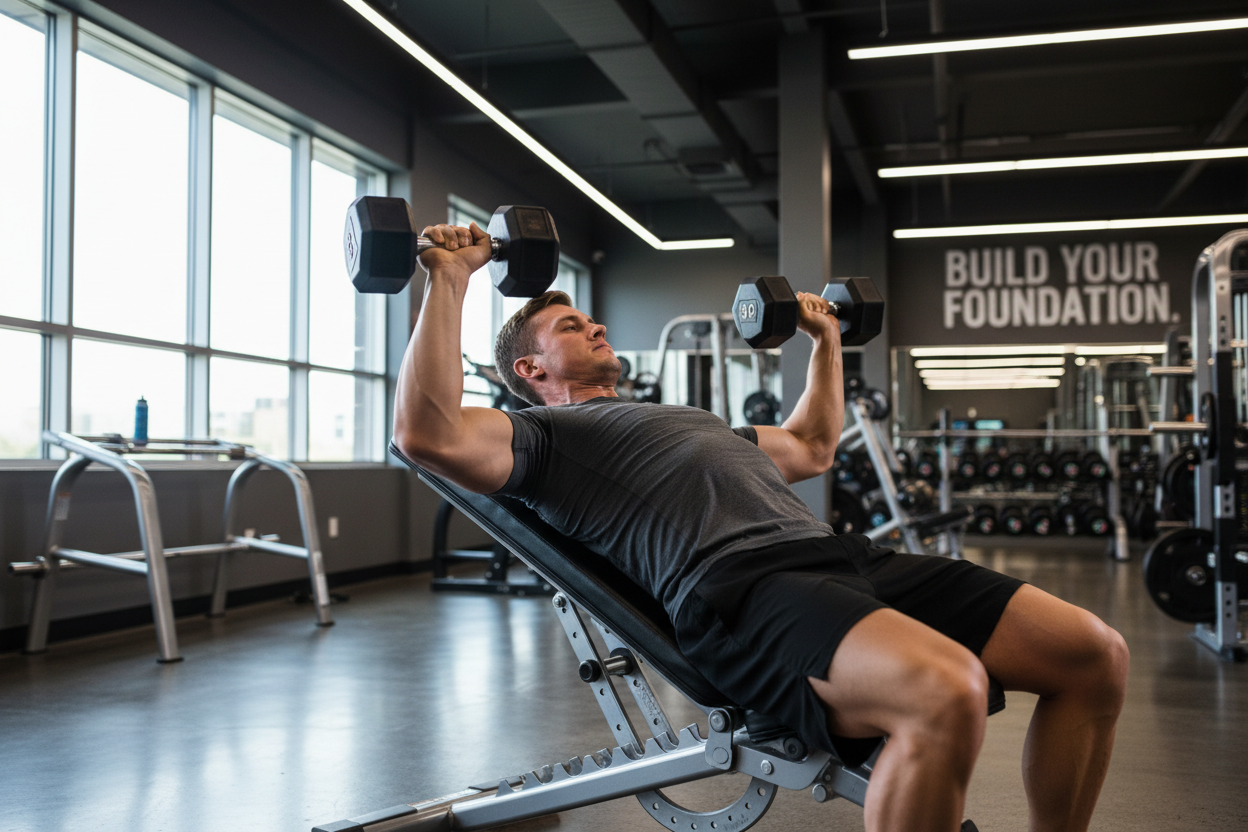
When I first committed to improving my chest strength, I relied heavily on dumbbell exercises. While they offered a great range of motion, I noticed better overall mass and pressing power after incorporating a dedicated barbell routine. The ability to progressively load the bar, track my numbers, and see consistent gains week after week was motivating. Over time, I refined my form, learned to control each rep, and added variety through incline and decline presses to target all areas of the chest.
Recovery and Progress Tracking
Muscle growth happens outside the gym, so recovery is just as important as training. Ensure you have adequate rest between chest workouts, ideally 48–72 hours, to prevent overtraining. Focus on proper nutrition with sufficient protein to support muscle repair. Tracking your progress by recording weights, reps, and sets will help you identify strengths and weaknesses, making adjustments easier.
Final Thoughts
Barbell chest exercises remain some of the most effective options for building strength, size, and aesthetic shape in the pectorals. By applying consistent training principles, maintaining proper form, and balancing your workout with complementary movements, you can achieve substantial chest development over time.