Please Stop Looking for a 'Special' Fitness Regimen for Women
I’ve spent the last decade dragging heavy iron across cracked concrete floors and testing gear until the powder coat peels. If there is one thing that boils my blood more than a wobbly power rack, it is the way the industry packages a fitness regimen for women. You’ve seen the ads: pastel-colored weights, 50-repetition sets of 'pulsing' movements, and a lot of talk about 'sculpting' instead of 'building.'
It’s time to call it what it is: a marketing scam. Your muscles don’t have gender receptors. They respond to mechanical tension, metabolic stress, and structural damage—the same way mine do. If you want a physique that actually looks athletic and moves with power, you need to stop training like you’re made of glass.
Quick Takeaways
- Ditch the light weights; if you can do 30 reps, it’s cardio, not strength training.
- Focus on the 'Big Four': Squat, Hinge, Push, and Pull.
- Invest in real steel, not plastic-coated gimmicks.
- Progressive overload is the only way to see permanent changes.
The 'Pink Tax' on Female Fitness Programs
Marketers have spent decades convincing women that heavy weights will make them 'bulky' overnight. It’s a lie designed to sell you subscription apps filled with air-squats and $40 resistance bands. They know that if you actually get strong, you might stop buying their 14-day 'tummy-tightening' challenges.
The best fitness routines for women are rarely the ones featured on glossy magazine covers. Real progress happens when you stop doing high-rep circuits that leave you breathless but not stronger. You don't need a 'special' routine; you need a sustainable one that treats you like an athlete.
Muscle Is Muscle (And It Needs Heavy Things)
Biology is pretty straightforward here. To build lean tissue, you have to give the body a reason to change. That means picking up something heavy enough to make the last two reps of a set genuinely difficult. The best workout plans for females prioritize compound movements because they recruit the most muscle fibers and offer the biggest bang for your buck.
If you aren’t sure where to start with your form, check out a solid library of fundamental movement patterns. Learning how to hinge at the hips or drive through a proper overhead press is worth more than a thousand bicep curls with a 3-lb pink dumbbell. This is the foundation of the best workout plan women can actually stick to long-term.
Equipping Your Space Without the Gimmicks
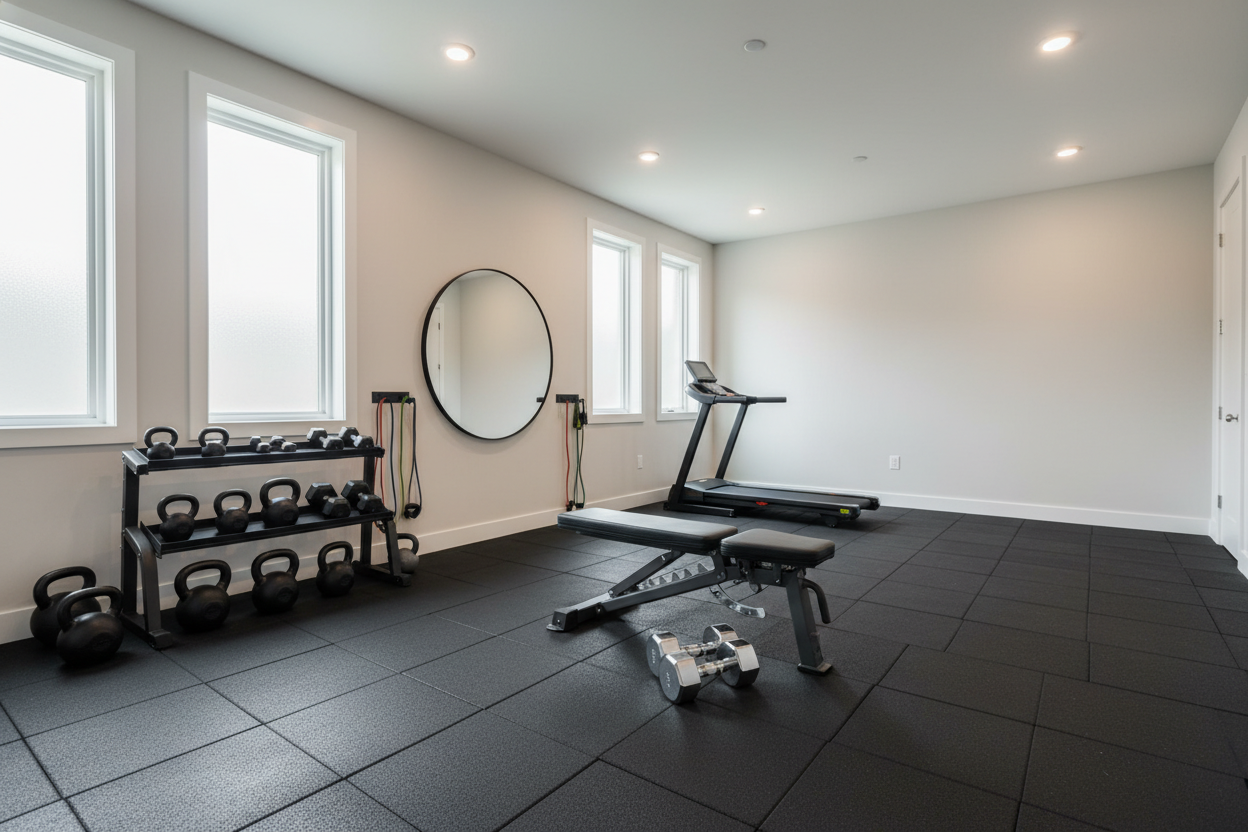
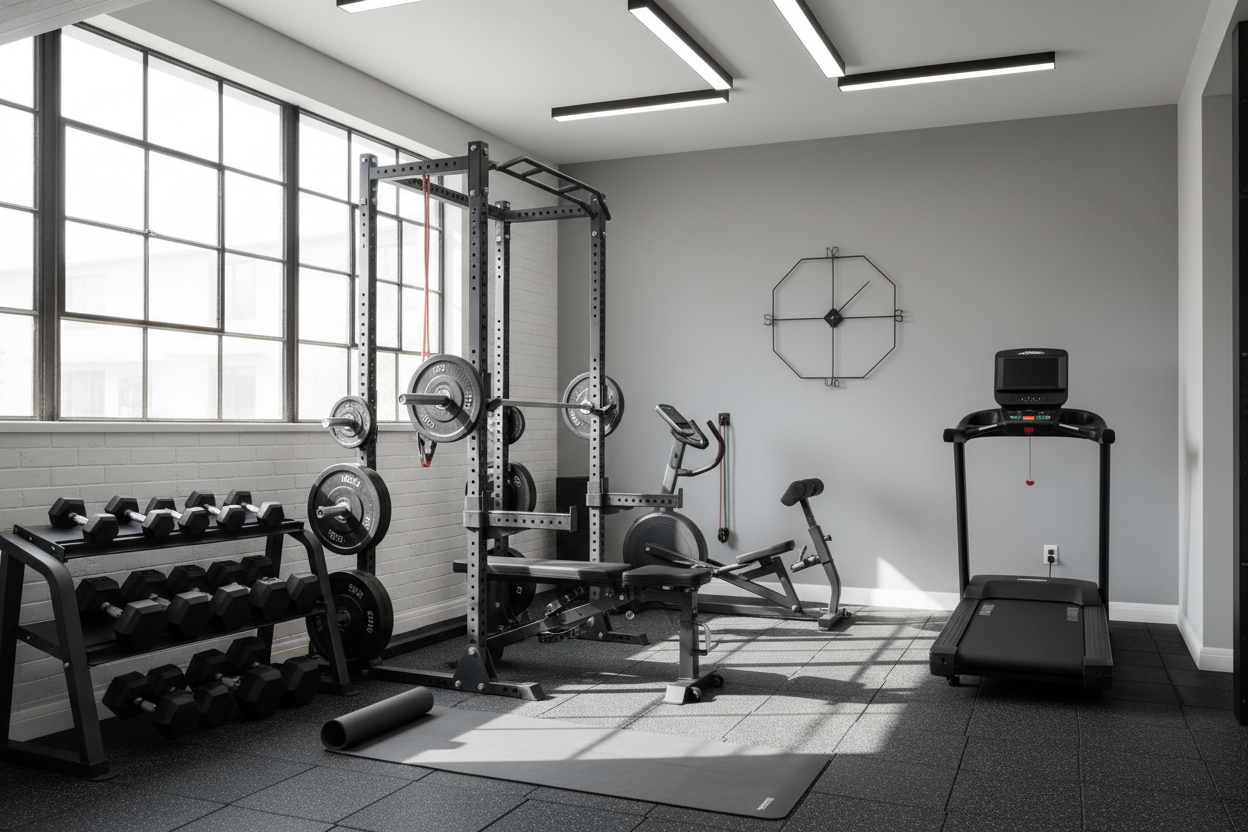
Your home gym doesn't need to look like a boutique yoga studio. It needs to look like a place where work gets done. Most 'toning' equipment is just landfill fodder. I’ve seen too many people waste hundreds on vibrating plates or 'thigh masters' that gather dust after two weeks. Instead, focus on basic home fitness equipment essentials like a solid barbell or a set of adjustable dumbbells.
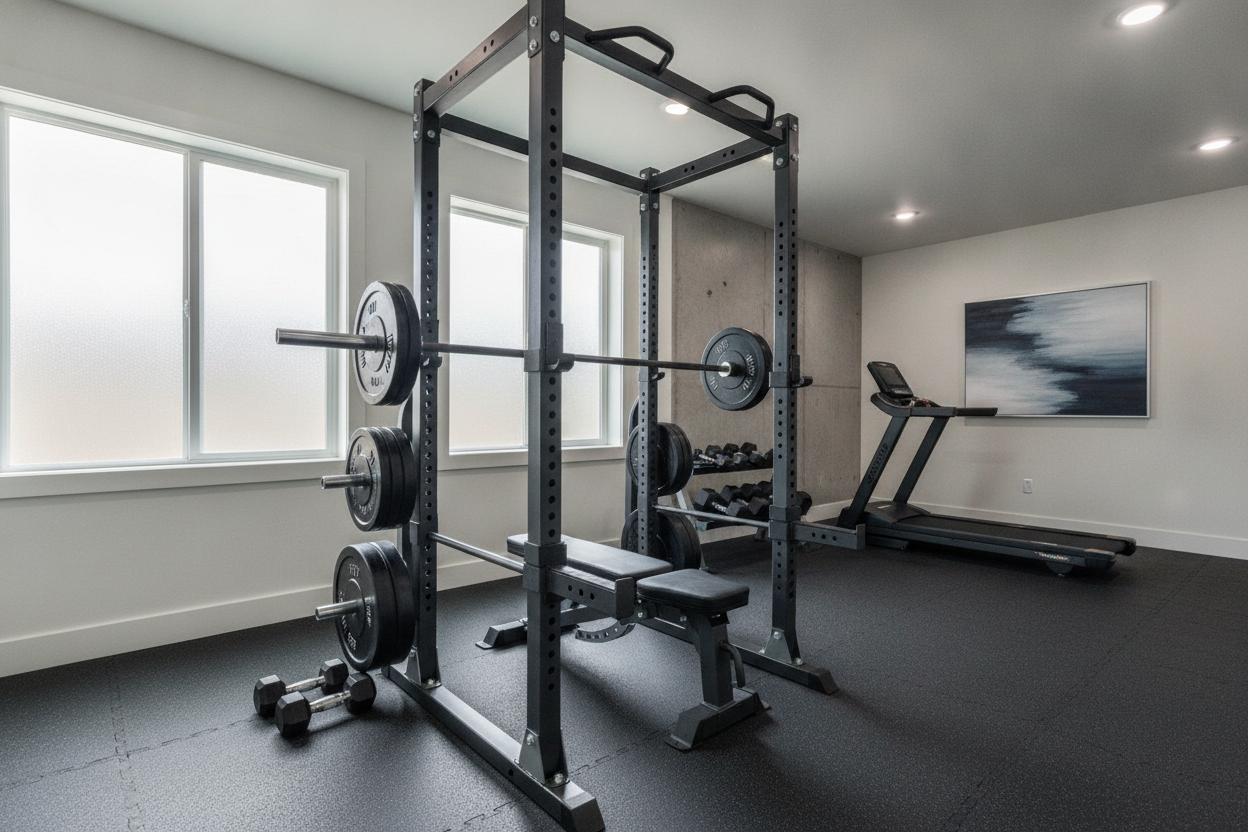
If you have the space and the budget, there are some worthwhile home workout machines that can supplement your lifting, like a cable crossover or a sturdy leg press. But for most, a rack and some plates are the heart of the best workout program for woman-led home gyms. You want gear that can grow with you as your strength increases.
Your Floor Is Your Best Piece of Gear
You can’t build a house on a swamp, and you shouldn’t try to deadlift on a slippery rug or bare hardwood. Stability is the most underrated aspect of safety. I’ve seen ankles roll and backs tweak because someone was trying to balance on a squishy yoga mat while holding a heavy load.
Upgrade to a heavy-duty 6x8ft exercise mat. It gives you the grip you need to drive your heels into the floor during a squat and protects your subfloor when you set the weights down. It’s a one-time purchase that changes the entire feel of your workout space.
A 4-Day Plan That Doesn't Involve Jumping Jacks
Stop chasing a 'burn' and start chasing 'weight on the bar.' The best workout regimen for women is often a 4-day upper/lower split. This allows for maximum recovery while hitting each muscle group twice a week. It’s the gold standard for a reason.
- Monday (Lower): Goblet Squats, Romanian Deadlifts, Lunges.
- Tuesday (Upper): Overhead Press, Lat Pulldowns, Push-ups.
- Thursday (Lower): Deadlifts, Step-ups, Glute Bridges.
- Friday (Upper): Bench Press (or Floor Press), Rows, Dips.
This is the best workout routines women can use to see real definition. No burpees required. Just focus on adding 2.5 to 5 lbs to these movements every couple of weeks. That is the definition of a best exercise regimen for women who actually want results.
Stop Switching Routines Every Two Weeks
The biggest mistake I see is 'program hopping.' You see a new influencer posting a 'glute blast' and you abandon your current plan. Muscle growth takes months, not days. The best workout routines for women are boring because they are consistent.
Pick a plan and run it for 12 weeks. Track your numbers. If you aren't lifting more in month three than you were in month one, your program isn't working—or you aren't. Stop looking for the 'magic' routine. It doesn't exist. Hard work and heavy iron do.
Personal Experience: My Lightweight Mistake
Years ago, I bought into the 'high reps for definition' myth. I spent six months doing 20-rep sets with weights that felt like feathers. My 'results'? I was tired, but I looked exactly the same. It wasn't until I started failing at the 8-rep mark with heavy iron that my physique actually changed. My biggest mistake was being afraid to strain. Don't make that mistake. Sweat is fine, but struggle is where the growth happens.
FAQ
Will lifting heavy make me look like a bodybuilder?
No. Women don't have the testosterone levels to accidentally wake up with 20-inch biceps. It takes years of dedicated eating and specific training to get that 'bulky' look. You’ll just look lean and strong.
Do I need a squat rack at home?
It’s the best investment you’ll make, but you can start with heavy dumbbells. Eventually, you’ll outgrow them, and that’s when you look for a rack.
How long should my workouts be?
45 to 60 minutes is the sweet spot. If you’re in there for two hours, you’re likely spending too much time on your phone or doing too many 'filler' exercises.