Plate Loaded Bench Press: Is It Worth The Floor Space?
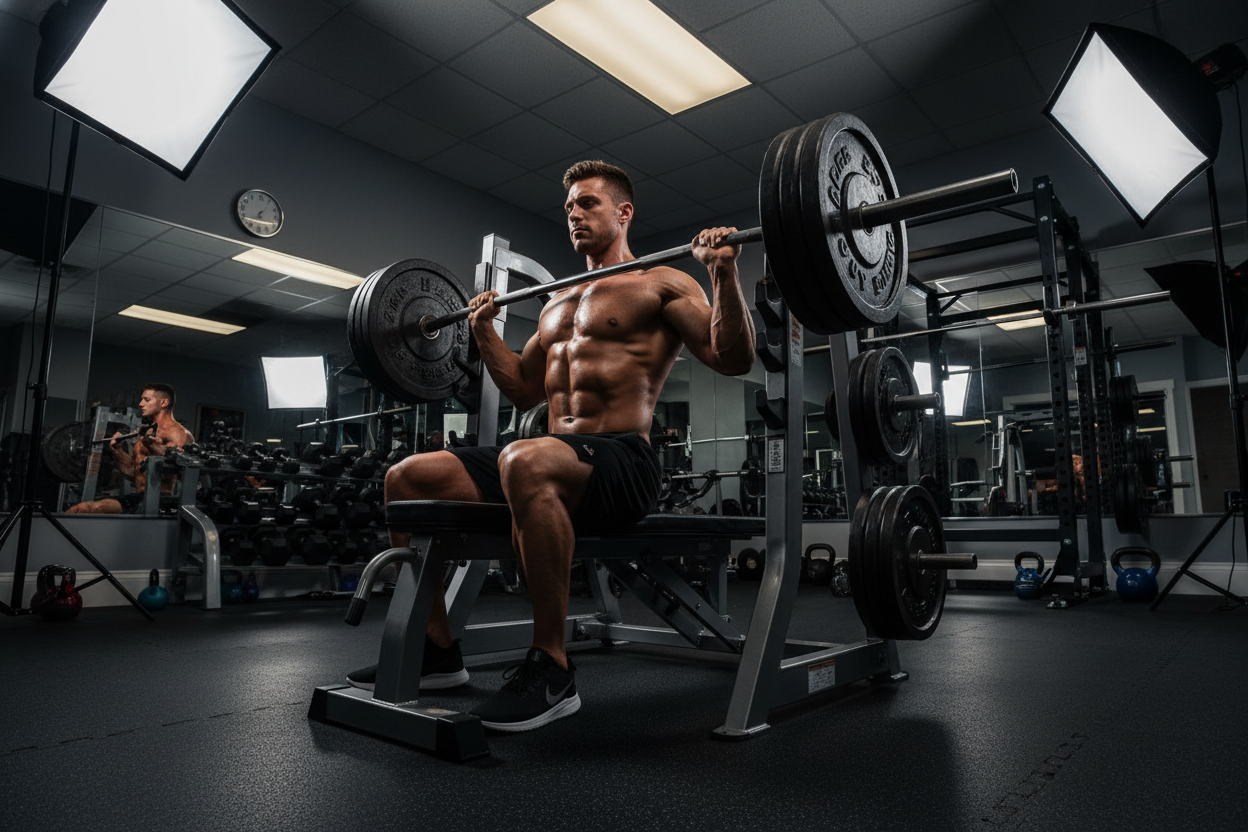
If you have ever trained alone in your basement or garage gym, you know the quiet anxiety of a heavy chest day. Pushing your limits is essential for growth, but getting pinned under a barbell without a spotter is a genuine risk. Enter the plate loaded bench press—a piece of equipment designed to bridge the gap between free-weight feel and machine-like safety.
This guide will help you determine if adding a dedicated leverage machine to your setup is the right move for your physique and your floor plan.
Key Takeaways
- Built-in Safety: Eliminates the need for a spotter during heavy lifts, perfect for solo trainers.
- Unilateral Movement: Independent arms correct strength imbalances and improve mind-muscle connection.
- Space Requirements: Requires a dedicated footprint compared to a movable utility bench.
- Joint Health: Fixed, converging paths reduce shoulder strain compared to a straight barbell.
What to Look for in a Bench Press Plate Loaded Machine
Not all leverage machines are created equal. When evaluating a bench press plate loaded machine for a North American home gym, you need to look beyond the shiny powder coat.
Weight Capacity and Leverage Ratios
Because these machines use a pivot point, the actual weight you feel in your hands differs from the plates you load. Look for a machine with a minimum 300 lb per arm weight capacity. A high-quality plate loaded bench will offer a closely calibrated resistance profile so your heavy sets feel authentically heavy.
Ergonomics and Pad Quality
A standard plate loaded bench flat setup needs dense, grippy upholstery. If the pad is too soft, your shoulders will sink, compromising your bracing and power output. Look for high-density foam at least 2.5 inches thick with double-stitched vinyl.
Training Advantages: Why Ditch the Barbell?
While the barbell is king for overall strength, a plate loaded flat press offers unique hypertrophic advantages.
Isolating the Pecs
Because the machine stabilizes the weight, your central nervous system can focus entirely on contracting the chest muscles. Furthermore, the independent arms allow for unilateral pressing. If your left side is weaker, a standard barbell hides the flaw; a plate loaded flat bench exposes and corrects it.
Space Planning for Your Home Gym
The biggest hurdle for home gym owners is floor space. Unlike a traditional rack where you can slide a bench in and out, a dedicated leverage chest press is a stationary beast.
Footprint and Loading Clearance
Most of these units require a footprint of roughly 5 feet by 5 feet. However, you must account for loading clearance. You need at least 18 to 24 inches on either side of the weight horns to comfortably slide 45-pound plates on and off. If you are fitting this into a tight one-car garage, measure twice.
From Our Gym: Honest Take
After running a dedicated plate loaded bench press through a grueling 12-week hypertrophy block in my own garage gym, I have some thoughts. The converging arm path is an absolute game-changer for shoulder health. At 40 years old, heavy barbell pressing usually leaves my front delts aching for days. With this machine, I was able to push to absolute failure without a spotter and wake up pain-free.
The only downside? It eats up floor space. I had to permanently re-home my plyo boxes to make it fit. Also, make sure to lubricate the pivot bearings every six months; mine started to squeak during high-rep sets until I hit it with some silicone spray.
Frequently Asked Questions
Is a plate loaded bench press safe to use without a spotter?
Yes. Because the range of motion is fixed and most units feature built-in safety stops or leverage arms that cannot crush you, they are ideal for solo home gym lifters pushing to failure.
Can I build a big chest with just a plate loaded flat bench?
Absolutely. The mechanical tension and ability to safely train to muscle failure make leverage machines incredible tools for chest hypertrophy, often isolating the pectorals better than free weights.
How much space do I need for a bench press plate loaded machine?
Plan for a minimum 6x7 foot area. While the machine's footprint may only be 5x5 feet, you need extra room on the sides to comfortably load and unload standard Olympic plates.