No Gym? No Problem. Here’s How to Sculpt Stronger Legs in Your Living Room
You want defined quads, strong hamstrings, and sculpted calves, but you don't have access to a squat rack or a leg press machine. The good news is that gravity and body weight are often enough to get the job done. If you are wondering how to tone legs at home, the answer lies in high-repetition compound movements, consistent progressive overload, and a focus on time under tension. You don't need heavy iron to build shape; you just need to challenge your muscles enough to force them to adapt.
Many people complicate the process of toning legs at home. They buy expensive cardio machines or complex resistance systems that eventually turn into clothes racks. The reality is much simpler. By mastering a few key movement patterns—the squat, the lunge, and the hinge—and performing them with strict form and high intensity, you can achieve significant definition. Let's look at how to construct a routine that works.
The Reality of Bodyweight Training
I remember canceling my gym membership a few years ago. I was terrified that I would lose all the muscle definition I had worked so hard for. I assumed that without a barbell on my back, my legs would lose their strength. I was wrong. I started experimenting with high-volume calisthenics and single-leg variations. Within six weeks, I noticed more separation in my quadriceps than I had seen in years of heavy lifting. The key wasn't the weight; it was the mind-muscle connection and the sheer volume of reps I was doing. It taught me that how to get toned legs at home is less about equipment and more about effort.
When you remove external weight, you have to find other ways to make the exercise difficult. You can't just bounce through the motions. You have to slow down. You have to squeeze at the top of the movement. This shift in focus is often exactly what people need to break through plateaus.
Foundational Movements for Leg Definition
To build a solid routine, you need to target the front of the leg (quads), the back of the leg (hamstrings and glutes), and the calves. A balanced approach ensures you look symmetrical and prevents injury. Here are the most effective movements for those asking how to tone my legs at home.
The Air Squat and Its Variations
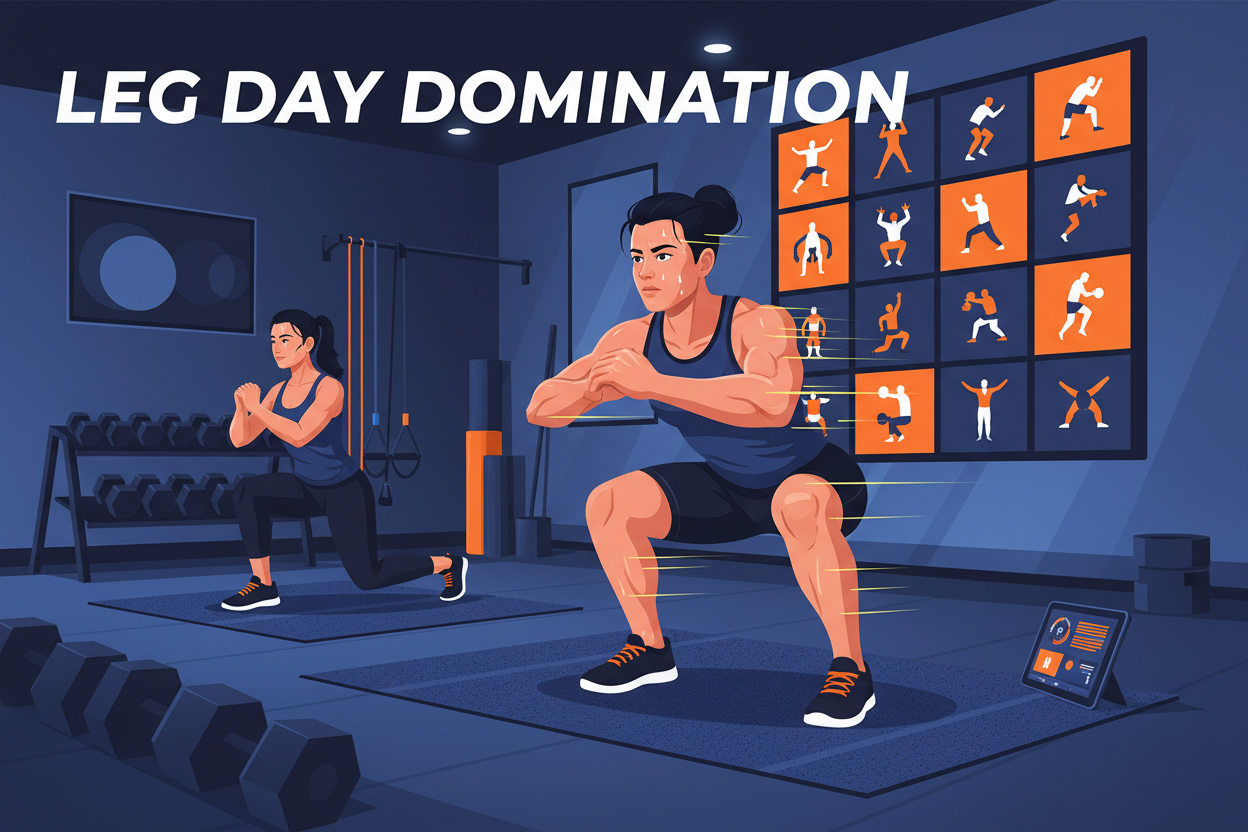
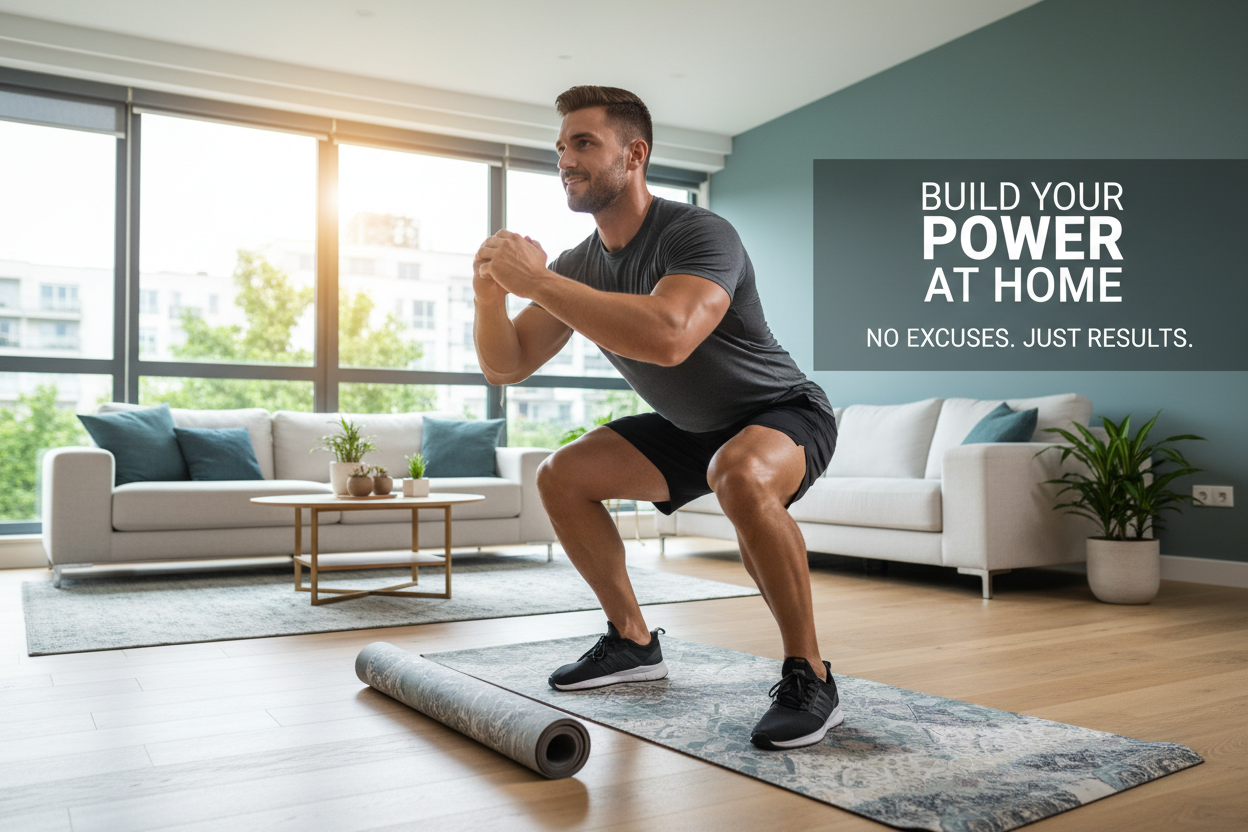
The squat is the king of leg exercises. It hits almost every muscle in your lower body. Stand with your feet shoulder-width apart, toes slightly pointed out. Lower your hips back and down as if sitting in a chair, keeping your chest up. Go as deep as your mobility allows, ideally breaking parallel, then drive back up through your heels.
Once standard squats become too easy, don't just add more reps—add complexity. Try pulse squats, where you bounce slightly at the bottom of the movement before standing up. This increases the time your muscles are under tension. Another excellent variation is the jump squat, which introduces explosive power and ramps up your heart rate.
Lunges for Unilateral Strength
If you want to know how to tone your legs at home while fixing imbalances, lunges are the answer. Working one leg at a time ensures your dominant side doesn't take over. Step forward with one leg and lower your hips until both knees are bent at a 90-degree angle. Keep your front knee directly above your ankle.
Reverse lunges are often friendlier on the knees, while walking lunges add a cardio element. For a serious burn, try Bulgarian split squats. Place your back foot on a couch or chair and squat with your front leg. This isolates the quad and glute intensely, proving you don't need weights to feel a heavy burn.
Glute Bridges and Hamstring Walkouts
Neglecting the posterior chain is a common mistake. To balance out all the squatting, you need to work the back of your legs. Lie on your back with your knees bent and feet flat on the floor. Lift your hips toward the ceiling, squeezing your glutes at the top. This is a glute bridge.
To make this harder and target the hamstrings, try a walkout. While holding the bridge position, walk your feet out away from your body on your heels until your legs are nearly straight, then walk them back in. This is brutal on the hamstrings and highly effective.
Quick Leg Toning Exercises for Busy Schedules
Sometimes you don't have 45 minutes to dedicate to a full workout. You might need a circuit that gets your heart rate up and fires up your leg muscles in under 15 minutes. High-Intensity Interval Training (HIIT) focused on the lower body is perfect for this.
Try this circuit. Perform each exercise for 40 seconds, rest for 20 seconds, and move to the next. Repeat the circuit three times:
- Speed Squats
- Alternating Reverse Lunges
- Jump Squats (or calf raises for low impact)
- Side Lunges
- Wall Sit
These quick leg toning exercises work because they minimize rest. The accumulation of metabolic waste in the muscles (that burning sensation) triggers a hormonal response that aids in toning and fat loss. It is an efficient way to get work done before breakfast or during a lunch break.
Progressive Overload Without Weights
A major concern is stalling progress. In the gym, you just add a 5lb plate. At home, you must change the physics. The first method is tempo. Instead of taking one second to lower into a squat, take four seconds. Pause for two seconds at the bottom. Then explode up. This forces your muscles to recruit more fibers to stabilize the body.
The second method is range of motion. If you usually squat to parallel, try going deeper (mobility permitting). If you do lunges, try elevating your front foot on a book or step to increase the stretch. These small adjustments keep the stimulus fresh and challenging.
Diet and Consistency
You can do a thousand squats a day, but if your nutrition isn't aligned with your goals, you might not see the definition you want. Toning is essentially building muscle while reducing the layer of body fat covering it. This requires adequate protein intake to repair the muscle tissues you break down during exercise.
Hydration also plays a massive role in muscle function and recovery. Dehydrated muscles cramp easily and recover slowly. Ensure you are drinking enough water throughout the day, especially before and after your sessions.
Consistency is the final piece of the puzzle. You won't see changes after one session. Leg muscles are large and resilient; they take a beating every day just walking around. To change them, you need to train them frequently—aim for 2 to 3 times a week with at least one rest day in between to allow for recovery.
Sample Weekly Schedule
Structuring your week helps maintain discipline. Here is a simple split to get started:
Monday: High-volume bodyweight squats and lunges (3 sets of 15-20 reps).
Wednesday: Explosive movements (Jump squats, speed lunges) and isometric holds (Wall sits).
Friday: Unilateral focus (Bulgarian split squats, single-leg glute bridges) and calf raises.
This rotation ensures you hit the muscles from different angles and with different intensities, preventing boredom and overuse injuries.
Common Mistakes to Avoid
Poor form is the enemy of progress. When squatting, ensure your knees don't cave inward. This valgus collapse puts tremendous stress on the knee joint and takes tension off the glutes. Keep your knees tracking over your toes.
Another issue is rushing. Momentum is not a muscle. If you swing your body to get out of a lunge, you are cheating yourself out of the results. Control every inch of the movement. If you find yourself rushing, stop, reset, and start again. Quality always trumps quantity when you are trying to change the shape of your body.
Frequently Asked Questions
How long does it take to see results from leg exercises at home?
With consistent training 3-4 times a week and proper nutrition, you can typically start feeling strength improvements within 2 weeks and seeing visible changes in muscle definition within 4 to 6 weeks. Consistency is the most critical factor.
Can I tone my legs if I have bad knees?
Yes, but you should focus on low-impact exercises like glute bridges, straight leg raises, and wall sits rather than jumping movements. It is also helpful to reduce the depth of squats and lunges to a pain-free range of motion while focusing on engaging the muscles surrounding the knee.
Do I need to do cardio to get toned legs?
While strength training shapes the muscle, cardio helps burn the calories necessary to reveal that definition. A combination of both is ideal, but high-intensity circuit training (HIIT) using leg exercises can provide both cardiovascular and strength benefits simultaneously.